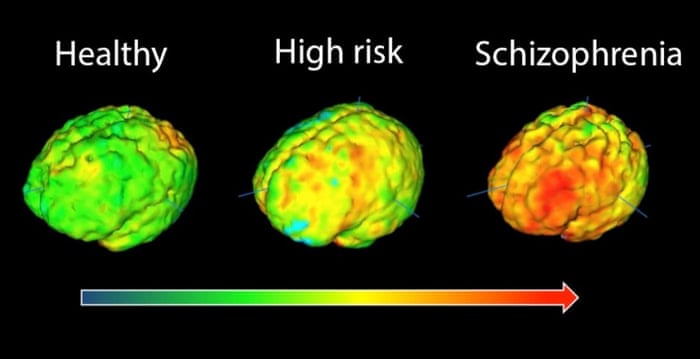
Scientists at Karolinska Institutet in Sweden and University of North Carolina, USA, have identified the cell types underlying schizophrenia in a new study published in Nature Genetics. The findings offer a roadmap for the development of new therapies to target... Continue Reading →
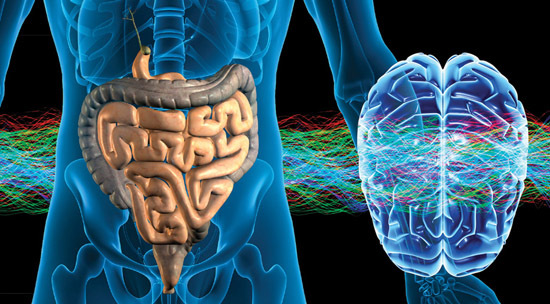
A study published in Nature sheds new light on the connection between the gut and the brain, untangling the complex interplay that allows the byproducts of microorganisms living in the gut to influence the progression of neurodegenerative diseases. Investigators from Brigham and... Continue Reading →
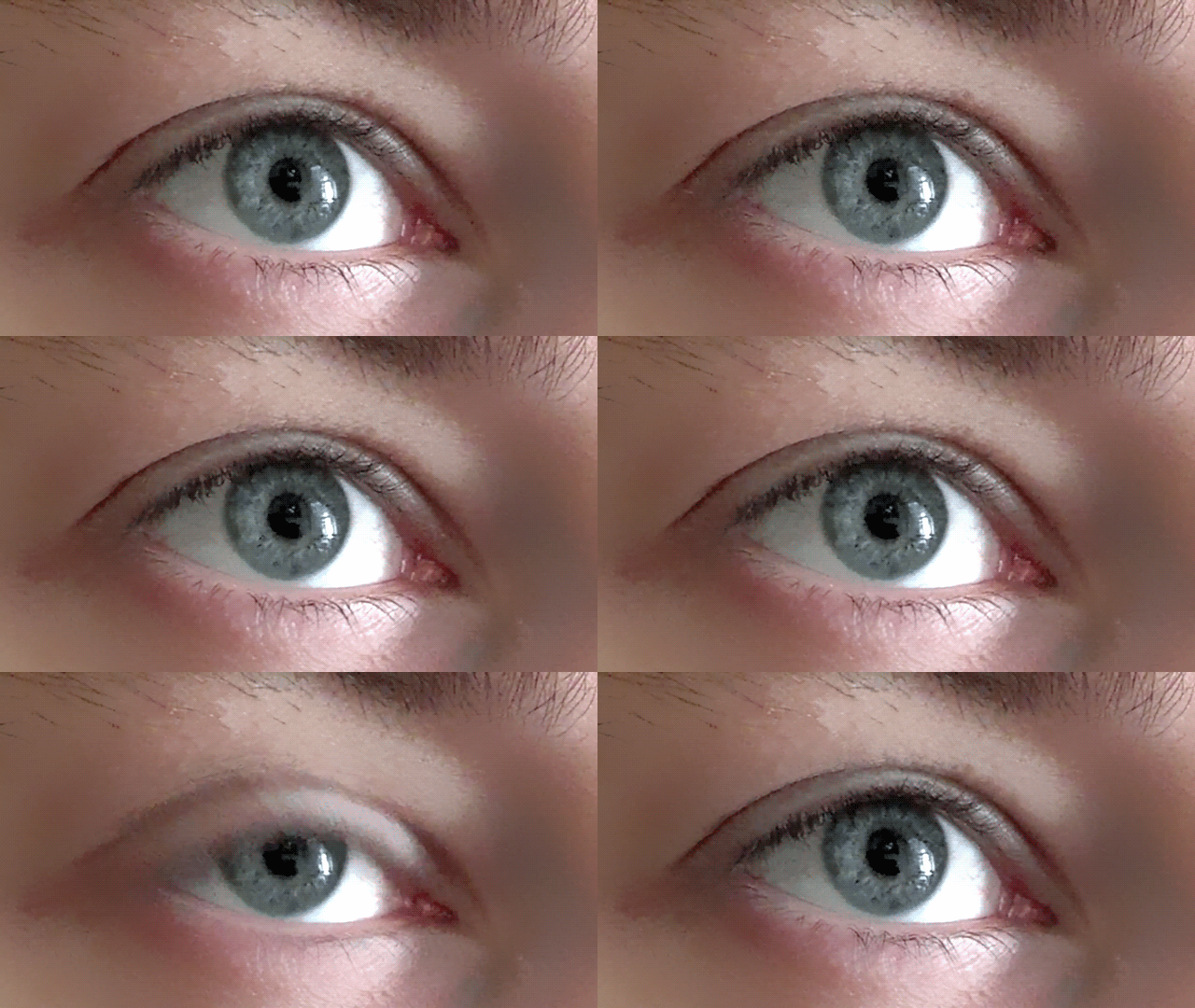
The Computer Science and Engineering Research Team at the Toyohashi University of Technology has measured the pupil (referred to as the “black part” of the eye) when a person is inspired by an object. It is known that the pupil... Continue Reading →

Chronic social isolation has debilitating effects on mental health in mammals—for example, it is often associated with depression and post-traumatic stress disorder in humans. Now, a team of Caltech researchers has discovered that social isolation causes the build-up of a... Continue Reading →

Face-likeness recognition is the act of recognizing a non-face object as a human face. This phenomenon is called “pareidolia,” and refers to “perceiving an inherently meaningless object such as a pattern, landscape or object as another object with meaning.” Many... Continue Reading →

In a letter to the New England Journal of Medicine, a Massachusetts General Hospital (MGH) research team reports a remarkable treatment response in a patient participating in a clinical trial of a novel immune-system-based cancer therapy. Treatment with an investigational... Continue Reading →
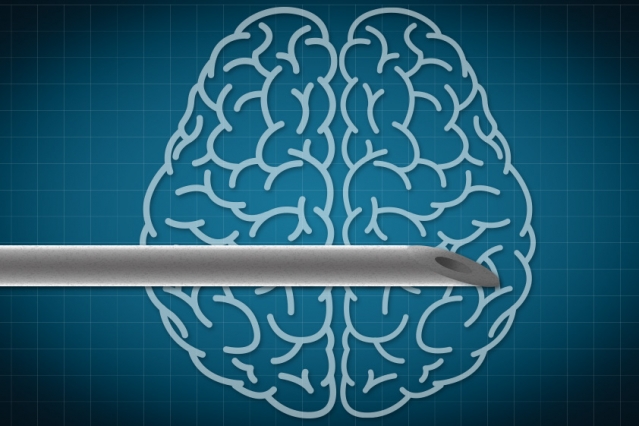
Many diseases, including Parkinson’s disease, can be treated with electrical stimulation from an electrode implanted in the brain. However, the electrodes can produce scarring, which diminishes their effectiveness and can necessitate additional surgeries to replace them. MIT researchers have now... Continue Reading →
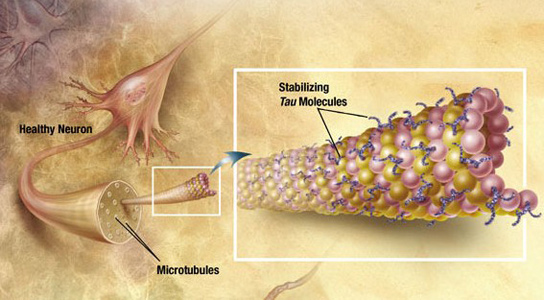
Investigators at Rush University Medical Center and the Brigham and Women’s Hospital in Boston reported the discovery of a new gene that is associated with susceptibility to a common form of brain pathology called Tau that accumulates in several different... Continue Reading →
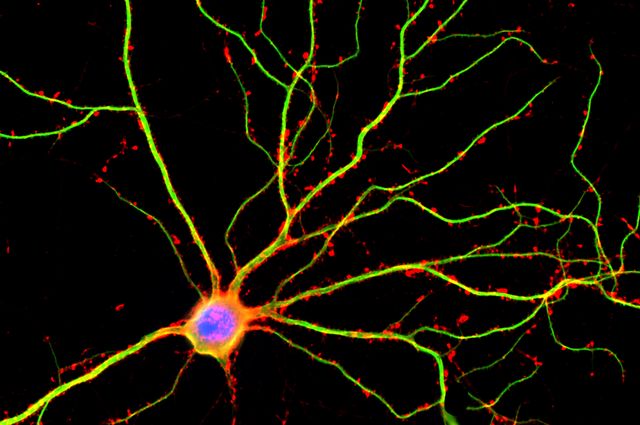
A new UCLA study could change scientists’ understanding of how the brain works — and could lead to new approaches for treating neurological disorders and for developing computers that “think” more like humans. The research focused on the structure and... Continue Reading →
 Scents of Science