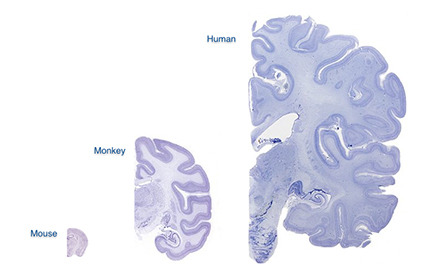
Researchers at King’s College London have discovered a fundamental process by which brains are built, which may have profound implications for understanding neurodevelopmental conditions like autism and epilepsy. The study, published in Nature and funded by the Wellcome Trust, also answers an... Continue Reading →

What if you could hold a physical model of your own brain in your hands, accurate down to its every unique fold? That’s just a normal part of life for Steven Keating, Ph.D., who had a baseball-sized tumor removed from... Continue Reading →
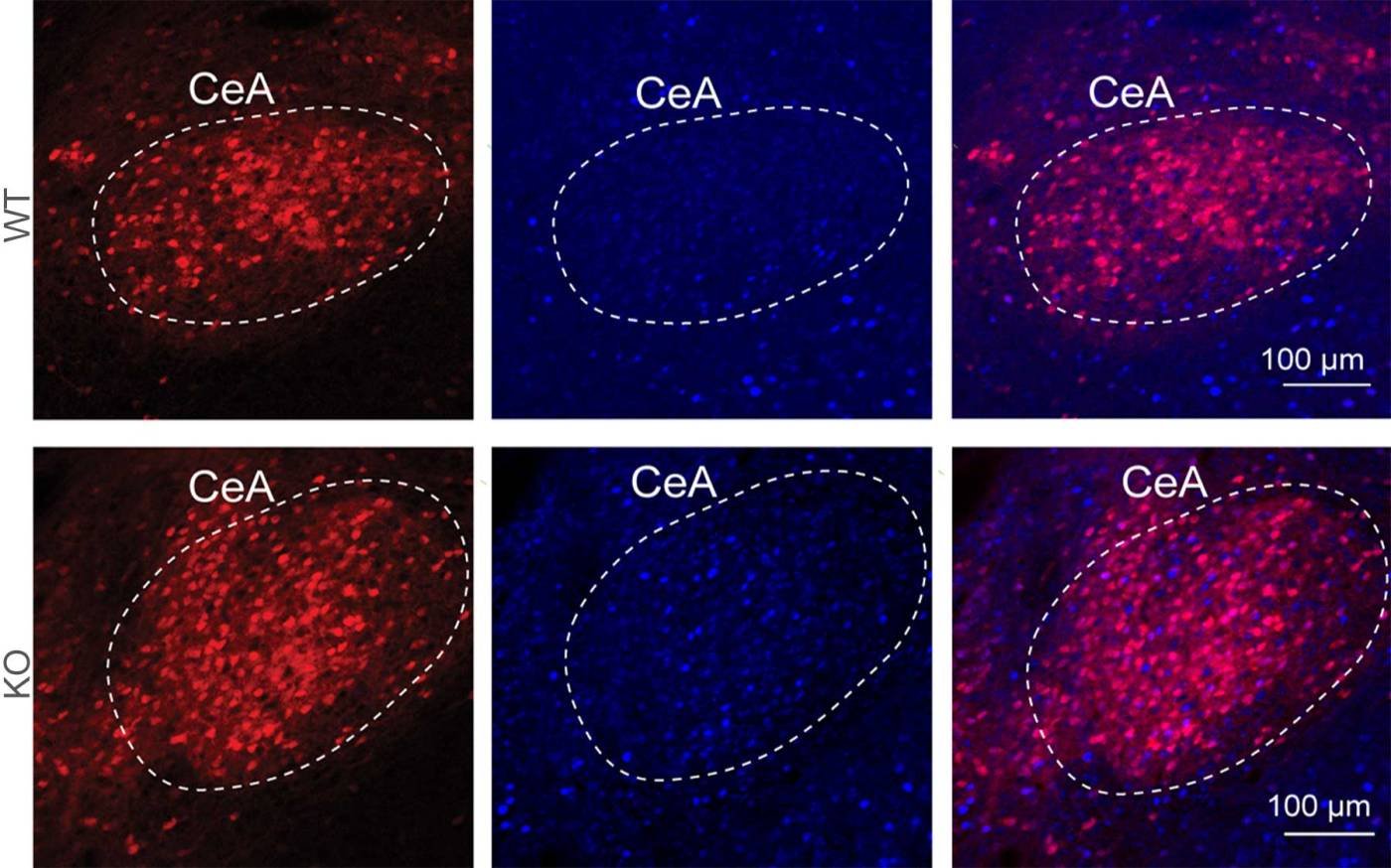
Neuroscientists at Cold Spring Harbor Laboratory (CSHL) have identified a neural circuit in the amygdala, the brain’s seat of emotion processing, that gives rise to anxiety. Their insight has revealed the critical role of a molecule called dynorphin, which could serve as... Continue Reading →

A study of 35 families led by a UC San Francisco psychiatric researcher showed for the first time that the structure of the brain circuitry known as the corticolimbic system is more likely to be passed down from mothers to... Continue Reading →

Running barefoot is better than running with shoes for your working memory, according to a new study published by researchers at the University of North Florida. The experiment, designed by lead researcher Dr. Ross Alloway, undertaken with Dr. Tracy Alloway,... Continue Reading →

If a mother picks up an infection during pregnancy, her immune system will kick into action to clear the infection – but this self-defense mechanism may also have a small influence how her child’s brain develops in the womb, in... Continue Reading →

Normal function of the brain’s control centers is dependent upon adequate supply of oxygen and nutrients through a dense network of blood vessels. Blood is supplied to the brain, face, and scalp via two major sets of vessels: the right... Continue Reading →

An estimated 50 to 70 million Americans have some type of sleep disorder, according to the National Sleep Foundation. Some turn to melatonin supplements to help them fall asleep. Melatonin is a hormone known to promote sleep, but its underlying... Continue Reading →

Parts of the brain not traditionally associated with learning science become active when people are confronted with solving physics problems, a new study shows. The researchers, led by Eric Brewe, PhD, an associate professor in Drexel University’s College of Arts... Continue Reading →
 Scents of Science