
Humans can perform a vast array of mental operations and adjust their behavioral responses based on external instructions and internal beliefs. For example, to tap your feet to a musical beat, your brain has to process the incoming sound and... Continue Reading →

A protein in the brain that binds to alcohol could be the key to curing alcoholism, reports UH College of Pharmacy medicinal chemist Joydip Das in eNeuro, a journal of the Society for Neuroscience. The protein, called MUNC 13-1, plays a pivotal role in... Continue Reading →

New evidence suggests a mechanism by which progressive accumulation of Tau protein in brain cells may lead to Alzheimer’s disease. Scientists studied more than 600 human brains and fruit fly models of Alzheimer’s disease and found the first evidence of... Continue Reading →

When we speak, we engage nearly 100 muscles, continuously moving our lips, jaw, tongue, and throat to shape our breath into the fluent sequences of sounds that form our words and sentences. A new study by UC San Francisco scientists... Continue Reading →

Yale scientists have identified a possible neurobiological home for the spiritual experience — the sense of connection to something greater than oneself. Activity in the parietal cortex, an area of the brain involved in awareness of self and... Continue Reading →
A good night of sleep entails about eight hours of blissful immobility—a state of near paralysis that, though welcome at night, would be inconvenient during the day. In a paper published in Cell Reports, Rockefeller scientists shed new light on the... Continue Reading →

A new parenting study led by BYU professor Ali Crandall finds that the greater emotional control and problem-solving abilities a mother has, the less likely her children will develop behavioral problems, such as throwing tantrums or fighting. The study also... Continue Reading →
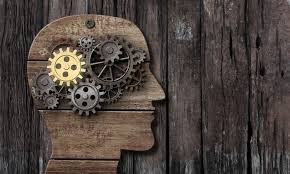
Memory, learning and cognitive flexibility depend on a protein ‘off-switch’ in the brain, according to a breakthrough discovery made by an international research collaboration co-led by the University of Warwick. This new knowledge could enable us to better understand and combat neurological... Continue Reading →

Hiding in plain sight, new research shines a spotlight on the placenta’s critical role in the nature versus nurture debate and how it confers risk for schizophrenia and likely other neurodevelopmental disorders including ADHD, autism, and Tourette syndrome. This new... Continue Reading →
 Scents of Science