
Yale scientists have identified a possible neurobiological home for the spiritual experience — the sense of connection to something greater than oneself. Activity in the parietal cortex, an area of the brain involved in awareness of self and... Continue Reading →
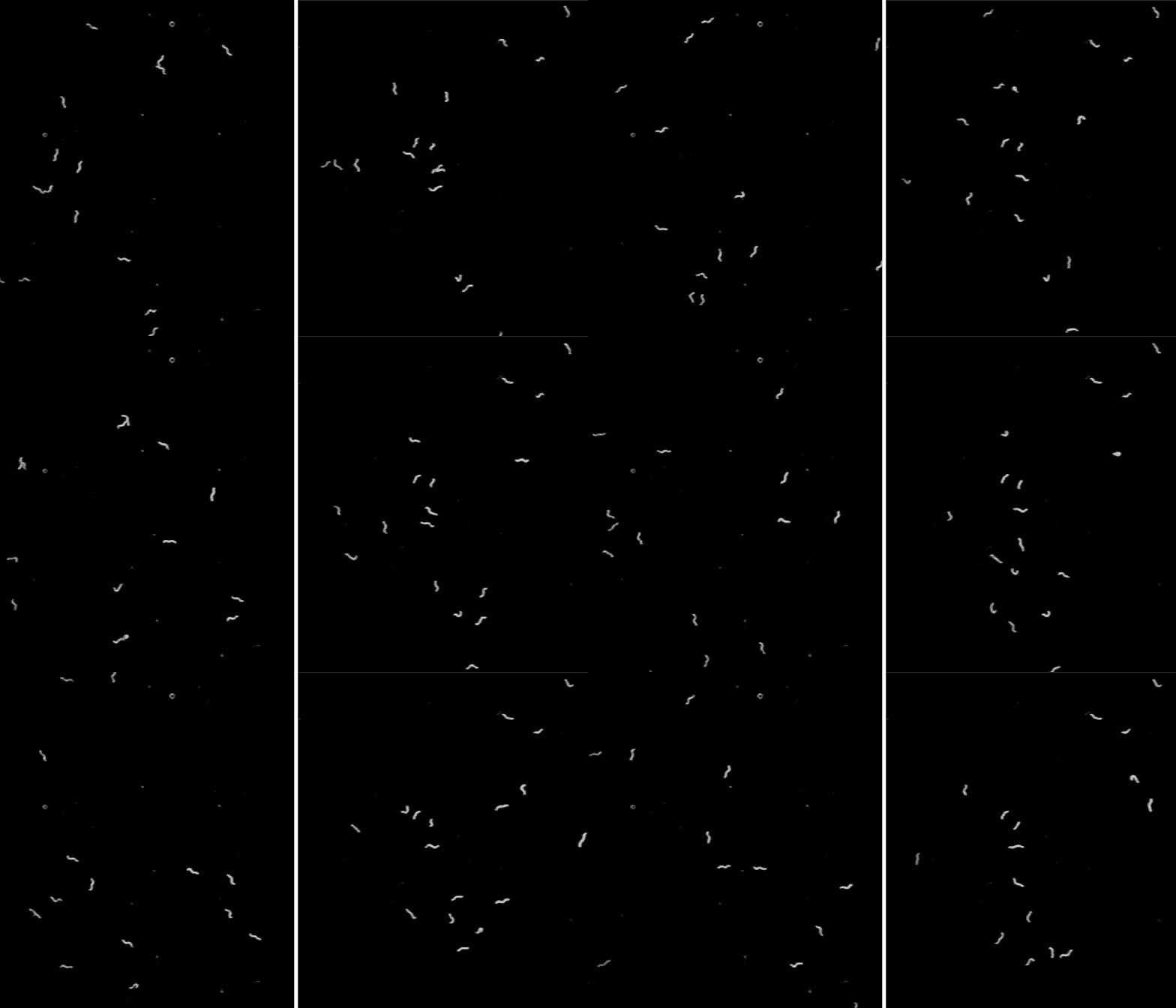
A good night of sleep entails about eight hours of blissful immobility—a state of near paralysis that, though welcome at night, would be inconvenient during the day. In a paper published in Cell Reports, Rockefeller scientists shed new light on the... Continue Reading →

A new parenting study led by BYU professor Ali Crandall finds that the greater emotional control and problem-solving abilities a mother has, the less likely her children will develop behavioral problems, such as throwing tantrums or fighting. The study also... Continue Reading →
Memory, learning and cognitive flexibility depend on a protein ‘off-switch’ in the brain, according to a breakthrough discovery made by an international research collaboration co-led by the University of Warwick. This new knowledge could enable us to better understand and combat neurological... Continue Reading →

Hiding in plain sight, new research shines a spotlight on the placenta’s critical role in the nature versus nurture debate and how it confers risk for schizophrenia and likely other neurodevelopmental disorders including ADHD, autism, and Tourette syndrome. This new... Continue Reading →
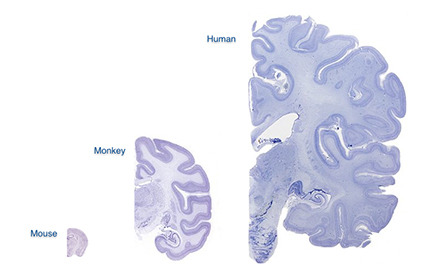
Researchers at King’s College London have discovered a fundamental process by which brains are built, which may have profound implications for understanding neurodevelopmental conditions like autism and epilepsy. The study, published in Nature and funded by the Wellcome Trust, also answers an... Continue Reading →

What if you could hold a physical model of your own brain in your hands, accurate down to its every unique fold? That’s just a normal part of life for Steven Keating, Ph.D., who had a baseball-sized tumor removed from... Continue Reading →
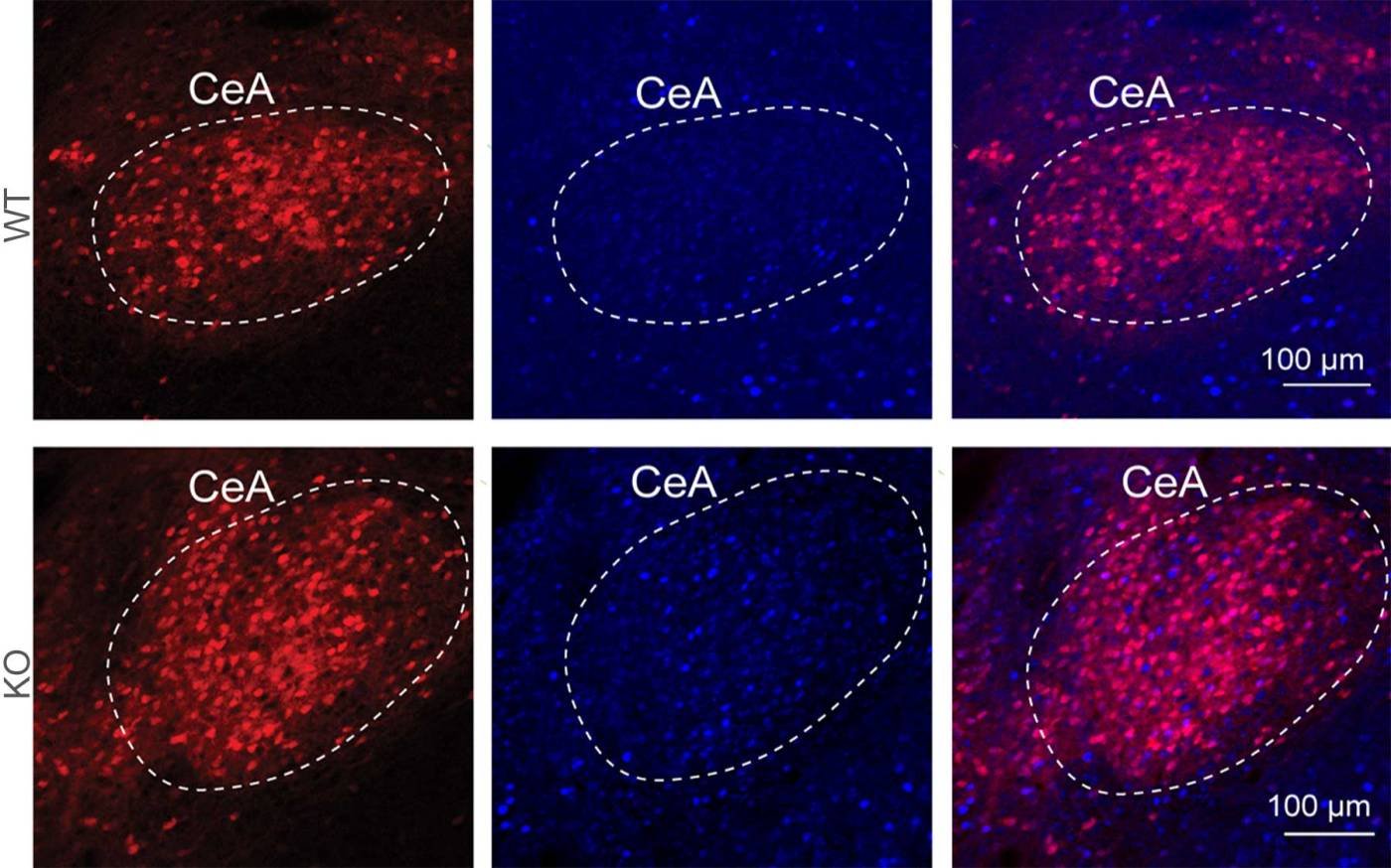
Neuroscientists at Cold Spring Harbor Laboratory (CSHL) have identified a neural circuit in the amygdala, the brain’s seat of emotion processing, that gives rise to anxiety. Their insight has revealed the critical role of a molecule called dynorphin, which could serve as... Continue Reading →

A study of 35 families led by a UC San Francisco psychiatric researcher showed for the first time that the structure of the brain circuitry known as the corticolimbic system is more likely to be passed down from mothers to... Continue Reading →
 Scents of Science