
Depression is a mental disorder that affects over 300 million people around the world. While treatments exist, many of them are based on one hypothesis of how depression arises. Patients that do not fit this mold may not be getting... Continue Reading →
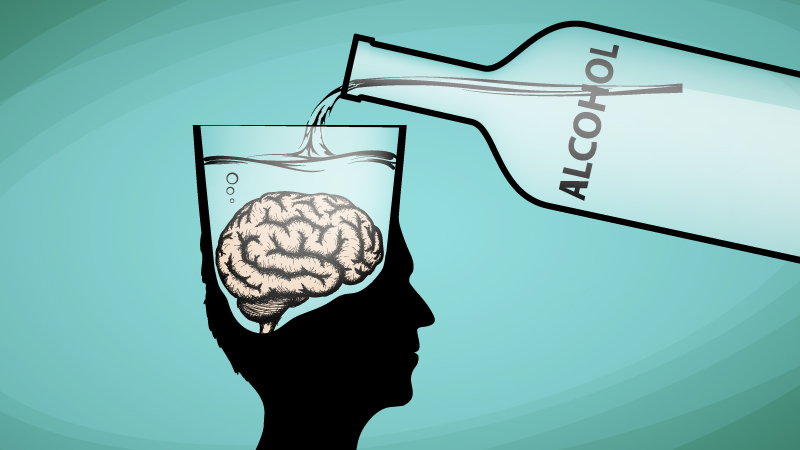
One minute you’re enjoying a nice buzz, the next your brain stops recording events that are taking place. The result can mean having vague or no memory of a time period ranging anywhere from a few minutes up to several... Continue Reading →
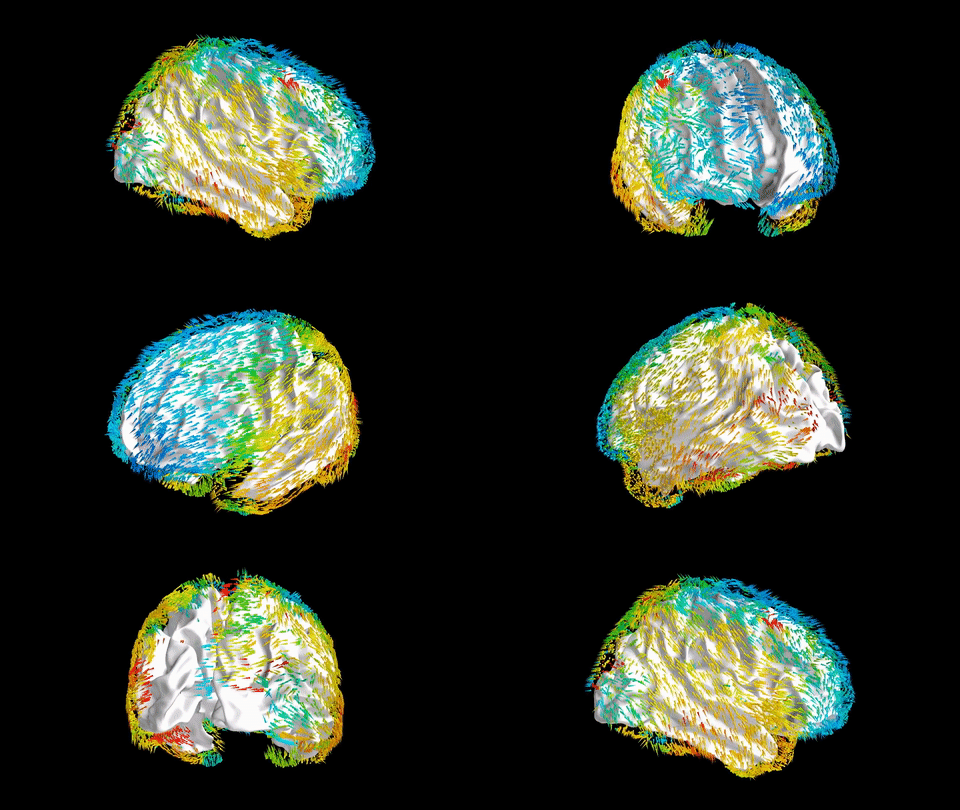
The coordination of neural activity across widespread brain networks is essential for human cognition. Researchers have long assumed that oscillations in the brain, commonly measured for research purposes, brain-computer interfacing, and clinical tests, were stationary signals that occurred independently at... Continue Reading →

Take a few steps forward, stop, and look around. In the world of the video game, the walls that depict a corridor four meters long are made up of green and blue patterned blocks. The floor is marked with turquoise... Continue Reading →

Can probiotics fend off mood disorders? It’s too early to say with scientific certainty, but a new study by CU Boulder researchers suggests that one particular beneficial bacteria can have long-lasting anti-inflammatory effects on the brain, making it more resilient to the... Continue Reading →

Humans can perform a vast array of mental operations and adjust their behavioral responses based on external instructions and internal beliefs. For example, to tap your feet to a musical beat, your brain has to process the incoming sound and... Continue Reading →

A protein in the brain that binds to alcohol could be the key to curing alcoholism, reports UH College of Pharmacy medicinal chemist Joydip Das in eNeuro, a journal of the Society for Neuroscience. The protein, called MUNC 13-1, plays a pivotal role in... Continue Reading →

New evidence suggests a mechanism by which progressive accumulation of Tau protein in brain cells may lead to Alzheimer’s disease. Scientists studied more than 600 human brains and fruit fly models of Alzheimer’s disease and found the first evidence of... Continue Reading →

When we speak, we engage nearly 100 muscles, continuously moving our lips, jaw, tongue, and throat to shape our breath into the fluent sequences of sounds that form our words and sentences. A new study by UC San Francisco scientists... Continue Reading →
 Scents of Science