
A new study from the University of Ottawa’s Faculty of Medicine found patients with mental or physical illness were able to successfully adhere to exercise regimes despite previous thinking, resulting in decreased suicide attempts. The findings cast doubt on the... Continue Reading →

Decline in the hypothalamic Menin may play a key role in aging, according to a new study publishing March 16th in the open access journal PLOS Biology by Lige Leng of Xiamen University, Xiamen, China, and colleagues. The findings reveal a previously unknown... Continue Reading →

Mental health disorders come at great cost to both the individual and society, with depression and anxiety being among the leading causes of health-related disease burden. The COVID pandemic is exacerbating the situation, with a significant rise in rates of psychological... Continue Reading →

A team from Nagoya University in Japan used the drug fasudil to reverse two common symptoms associated with schizophrenia: reduced density of pyramidal neurons and cognitive dysfunction associated with methamphetamine treatment.? Their findings, which were published in Pharmacological Research, suggest new... Continue Reading →
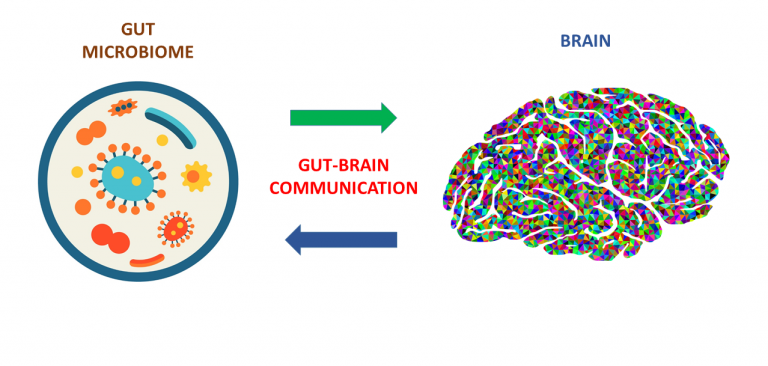
In the past decade, researchers have begun to appreciate the importance of a two-way communication that occurs between microbes in the gastrointestinal tract and the brain, known as the gut–brain axis. These “conversations” can modify how these organs work and... Continue Reading →

The reason some people fail to recover their sense of smell after COVID-19 is linked to an ongoing immune assault on olfactory nerve cells and an associated decline in the number of those cells, a team of scientists led by... Continue Reading →

Today, by and large, patients receive a diagnosis of Alzheimer's only after they exhibit well-known signs of the disease, such as memory loss. By that point, the best treatment options simply slow further progression of symptoms. But research has shown... Continue Reading →

One in five people who survive cardiopulmonary resuscitation (CPR) after cardiac arrest may describe lucid experiences of death that occurred while they were seemingly unconscious and on the brink of death, a new study shows. Led by researchers at NYU... Continue Reading →
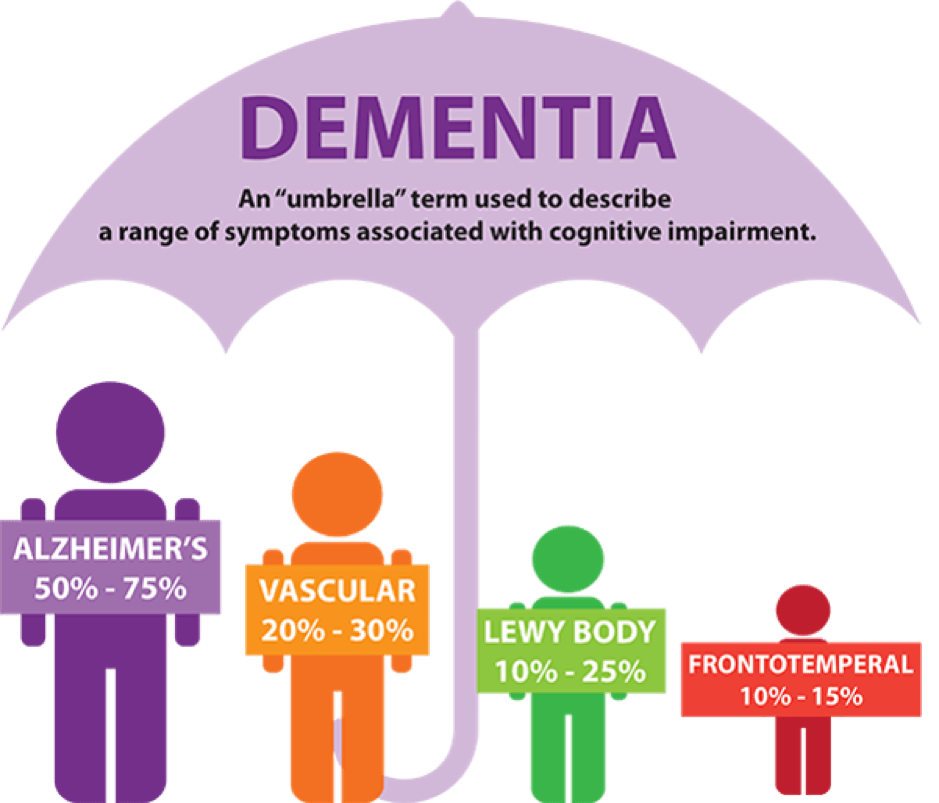
Researchers at The University of Queensland have discovered a link between obstructive sleep apnoea and an increased risk of developing dementia. Professor Elizabeth Coulson from UQ’s Queensland Brain Institute and School of Biomedical Sciences and her team found a causal relationship between a lack... Continue Reading →
 Scents of Science