NEW YORK, NY, December 23, 2024 — Researchers with the CUNY ASRC have unveiled a critical mechanism that links cellular stress in the brain to the progression of Alzheimer’s disease (AD). The study, published in the journal Neuron, highlights microglia, the brain’s primary... Continue Reading →

Just as a conductor coordinates different instruments in an orchestra to produce a symphony, breathing coordinates hippocampal brain waves that strengthen memory while we sleep, reports a new Northwestern Medicine study in the Proceedings of the National Academy of Sciences.... Continue Reading →
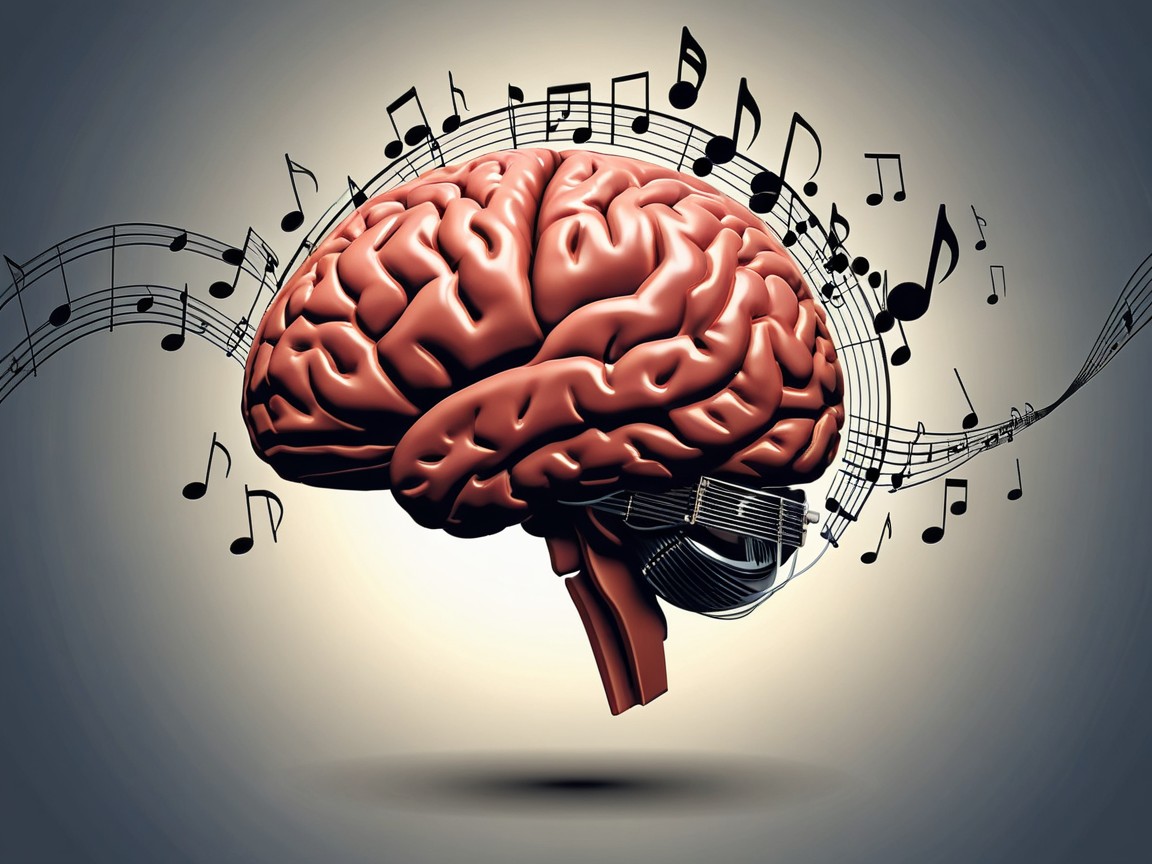
In a groundbreaking study published Nov. 21 in the journal Nature Human Behaviour, researchers have uncovered significant genetic connections between human language abilities and musical rhythm skills, providing new insights into the biological underpinnings of these fundamental human traits. The study... Continue Reading →
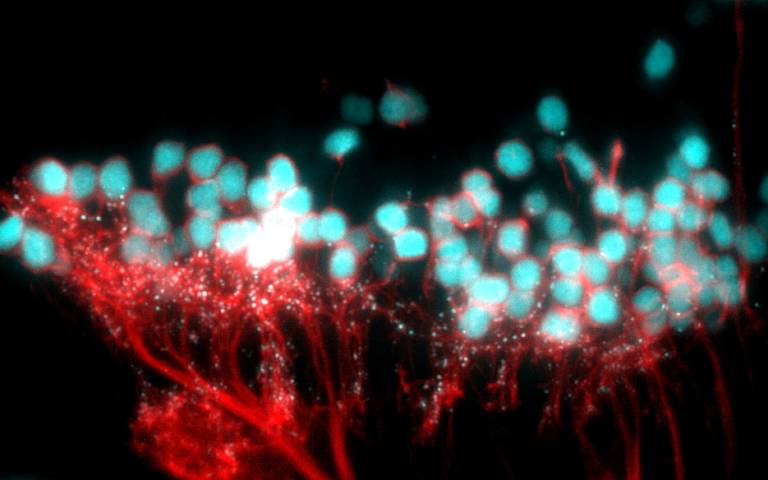
The researchers say their findings, published in Nature, provide insight into the role of sleep, but still leave an open question around what function the latter half of a night’s sleep serves. The researchers say the study supports the Synaptic Homeostasis... Continue Reading →

Restricting calories is known to improve health and increase lifespan, but much of how it does so remains a mystery, especially in regard to how it protects the brain. Buck scientists have uncovered a role for a gene called OXR1 that is... Continue Reading →

In recent years, research has begun to reveal that the lines of communication between the body’s organs are key regulators of aging. When these lines are open, the body’s organs and systems work well together. But with age, communication lines... Continue Reading →

A new study published in Nature Cell Biology by Mark Alkema, PhD, professor of neurobiology, establishes an important molecular link between specific B12-producing bacteria in the gut of the roundworm C. elegans and the production of acetylcholine, a neurotransmitter important to memory and cognitive... Continue Reading →

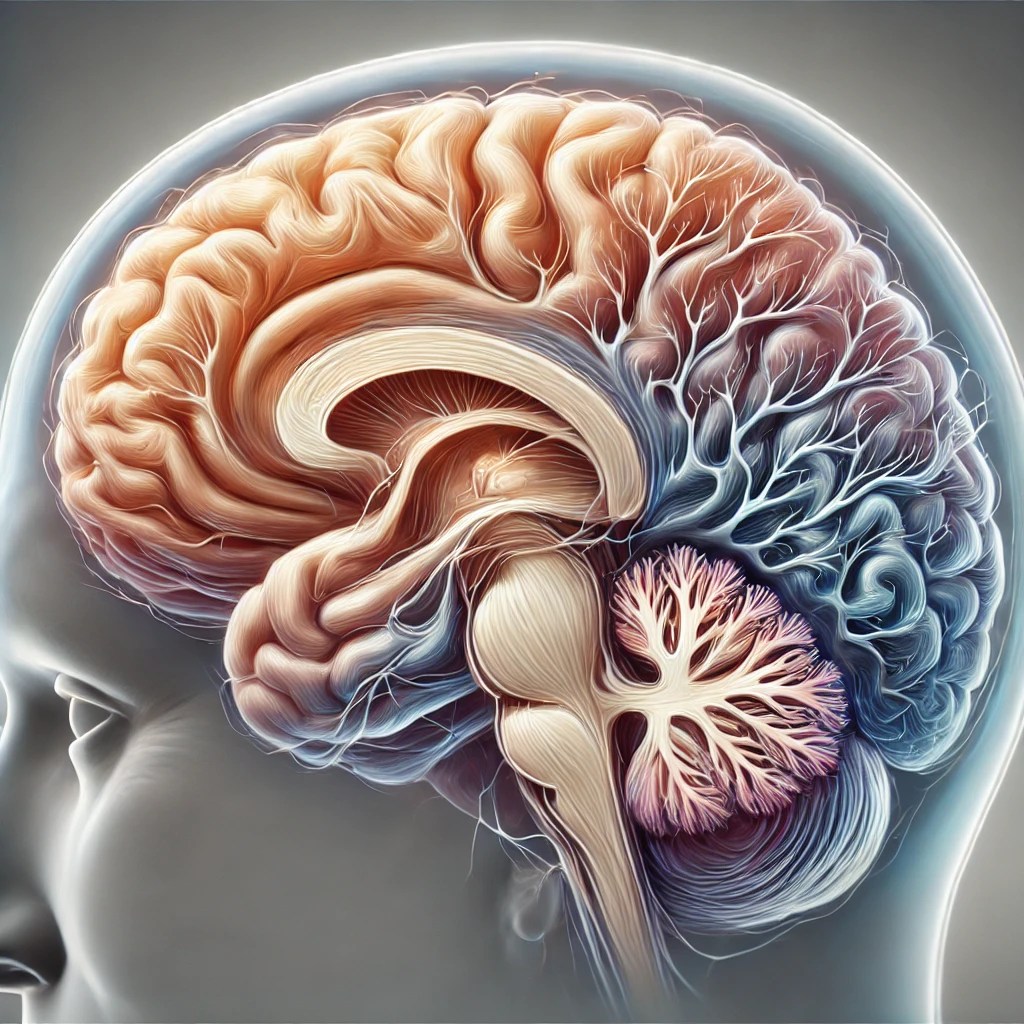
The corpus callosum is a large, C-shaped nerve fiber bundle found beneath the cerebral cortex.It stretches across the midline of the brain, connecting the left and right cerebral hemispheres. It makes up the largest collection of white matter tissue found in the brain. To understand... Continue Reading →

A collaborative study led by Yale researchers reports the many gene expression changes that develop over the course of a neurodegenerative disorder called spinocerebellar ataxia type 1, shedding light on its progression. Spinocerebellar ataxia type 1 is a disorder that... Continue Reading →
 Scents of Science