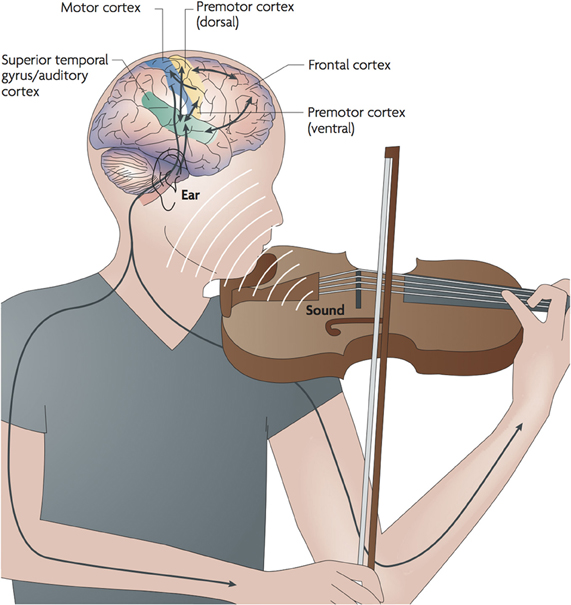
In the eternal search for understanding what makes us human, scientists found that our brains are more sensitive to pitch, the harmonic sounds we hear when listening to music, than our evolutionary relative the macaque monkey. The study, funded in... Continue Reading →

UNC School of Medicine scientists unveiled how a particular gene helps organize the scaffolding of brain cells called radial progenitors necessary for the orderly formation of the brain. Previous studies have shown that this gene is mutated in some people... Continue Reading →
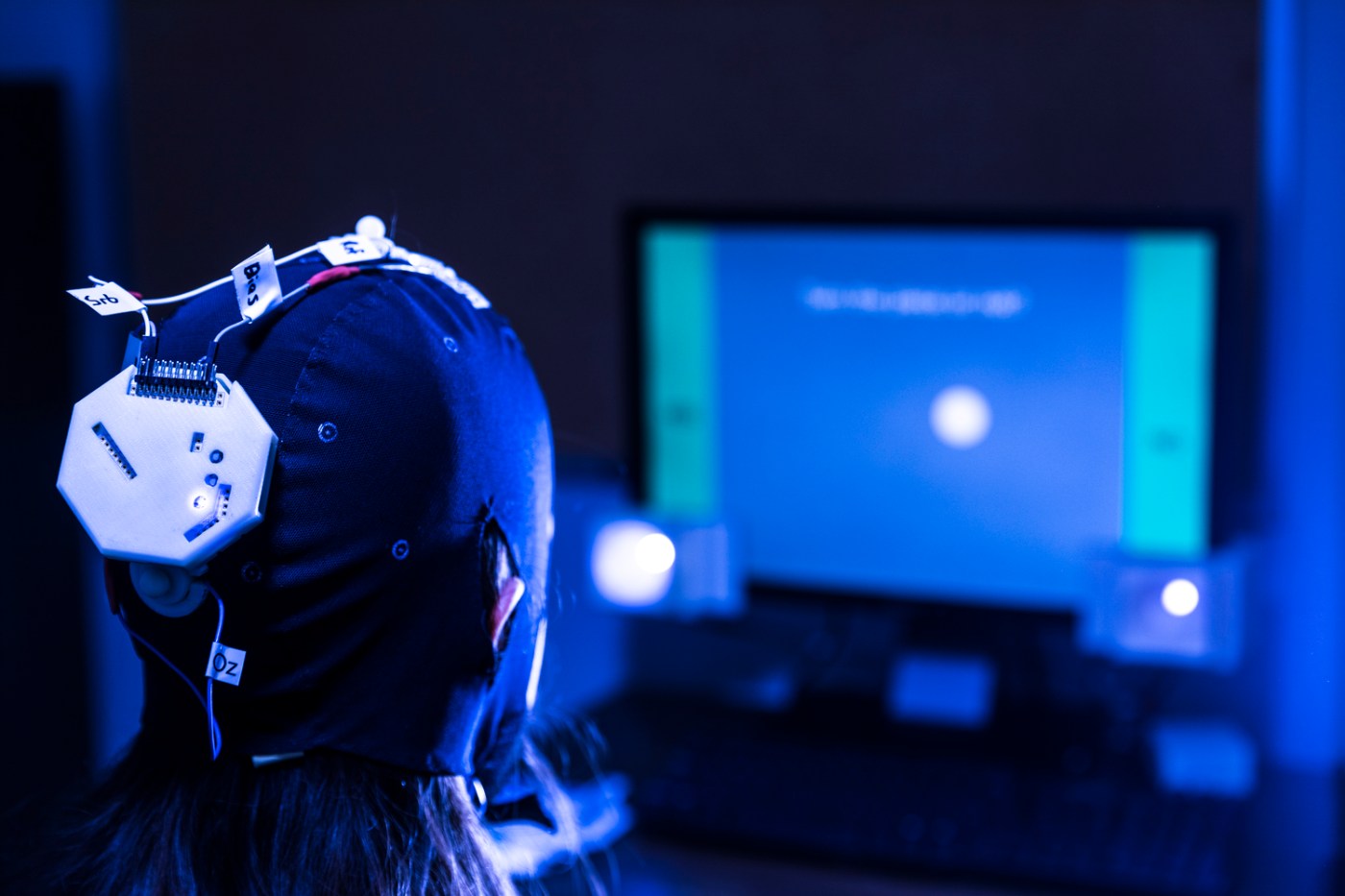
Telepathic communication might be one step closer to reality thanks to new research from the University of Washington. A team created a method that allows three people to work together to solve a problem using only their minds. In BrainNet,... Continue Reading →

Weight gain occurs when an individual’s energy intake exceeds their energy expenditure — in other words, when calories in exceed calories out. What is less well understood is the fact that, on average, nearly half of the body’s energy is... Continue Reading →
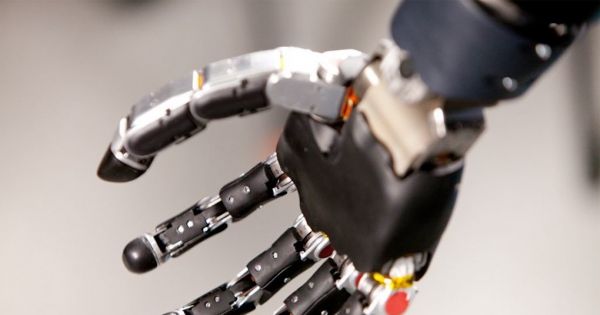
A team of researchers from Carnegie Mellon University, in collaboration with the University of Minnesota, has made a breakthrough in the field of noninvasive robotic device control. Using a noninvasive brain-computer interface (BCI), researchers have developed the first-ever successful mind-controlled... Continue Reading →

Can your liver sense when you're staring at a television screen or cellphone late at night? Apparently so, and when such activity is detected, the organ can throw your circadian rhythms out of whack, leaving you more susceptible to health... Continue Reading →

The enzyme Nocturnin, which governs daily tasks such as fat metabolism and energy usage, works in an entirely different way than previously thought, reported a team of researchers at Princeton University. The newly discovered mechanism reveals the molecular link between... Continue Reading →

What if scientists could manipulate your brain so that a traumatic memory lost its emotional power over your psyche? Steve Ramirez, a Boston University neuroscientist fascinated by memory, believes that a small structure in the brain could hold the keys... Continue Reading →

Acute pain, e.g. hitting your leg against a sharp object, causes an abrupt, unpleasant feeling. In this way, we learn from painful experiences to avoid future harmful situations. This is called "threat learning" and helps animals and humans to survive.... Continue Reading →
 Scents of Science