
Nearly 15 million babies are born prematurely, or before 37 weeks of pregnancy, around the world each year. When born too early, a baby's immature respiratory center in the brain often fails to signal it to breathe, resulting in low... Continue Reading →

A new study, published in the journal Clinical Psychological Science, suggests that the time adolescents are spending on their phones and online is not that bad. https://www.youtube.com/watch?v=c_1Reo9Qd1k&feature=youtu.be The study tracked young adolescents on their smartphones to test whether more time spent... Continue Reading →

Japanese scientists are shedding new light on the importance of light-sensing cells in the retina that process visual information. The researchers isolated the functions of melanopsin cells and demonstrated their crucial role in the perception of visual environment. This ushers... Continue Reading →

Light touch plays a critical role in everyday tasks, such as picking up a glass or playing a musical instrument. The sensation is also an essential part of the body's protective defense system, alerting us to objects in our environment... Continue Reading →
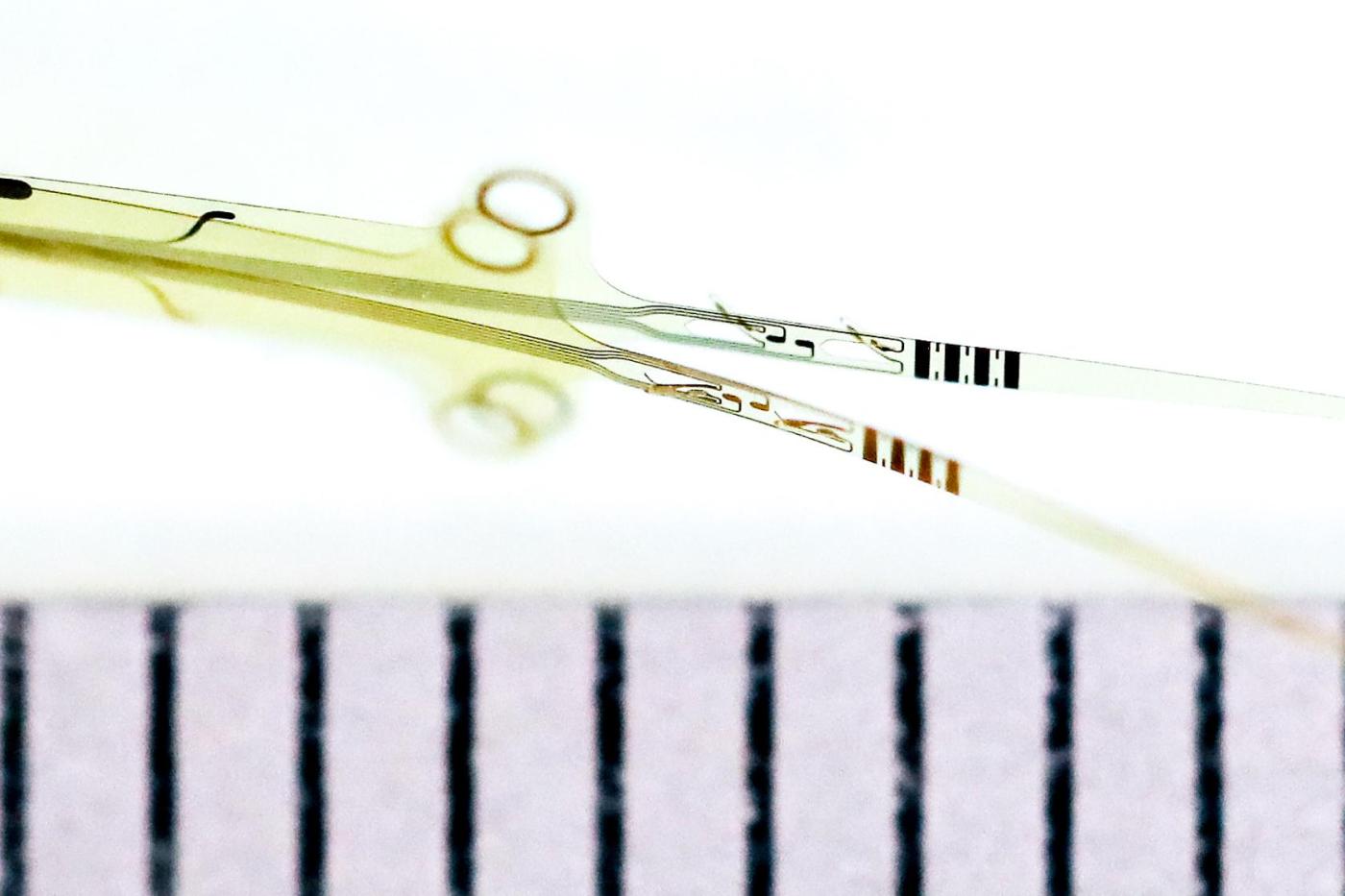
Scientists from EPFL in Switzerland and Scuola Superiore Sant'Anna in Italy are developing technology for the blind that bypasses the eyeball entirely and sends messages to the brain. They do this by stimulating the optic nerve with a new type... Continue Reading →

Beta-amyloid plaques, the protein aggregates that form in the brains of Alzheimer's patients, disrupt many brain functions and can kill neurons. They can also damage the blood-brain barrier -- the normally tight border that prevents harmful molecules in the bloodstream... Continue Reading →

Alzheimer's disease, the most common cause of dementia among the elderly, is characterized by plaques and tangles in the brain, with most efforts at finding a cure focused on these abnormal structures. But a University of California, Riverside, research team... Continue Reading →

Scientist have identified a link between exposure to high levels of oestrogen sex hormones in the womb and the likelihood of developing autism. The findings are published in the journal Molecular Psychiatry. The discovery adds further evidence to support the prenatal... Continue Reading →
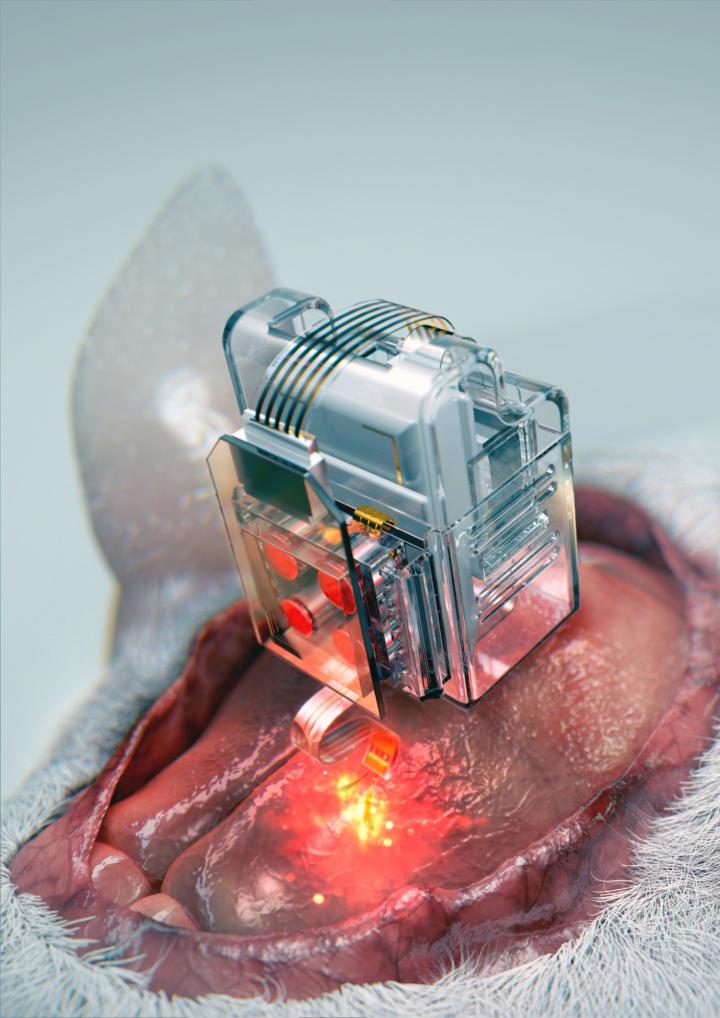
A team of scientists in Korea and the United States have invented a device that can control neural circuits using a tiny brain implant controlled by a smartphone. Researchers, publishing in Nature Biomedical Engineering, believe the device can speed up efforts... Continue Reading →
 Scents of Science