
Restricting calories is known to improve health and increase lifespan, but much of how it does so remains a mystery, especially in regard to how it protects the brain. Buck scientists have uncovered a role for a gene called OXR1 that is... Continue Reading →

In recent years, research has begun to reveal that the lines of communication between the body’s organs are key regulators of aging. When these lines are open, the body’s organs and systems work well together. But with age, communication lines... Continue Reading →

A new study published in Nature Cell Biology by Mark Alkema, PhD, professor of neurobiology, establishes an important molecular link between specific B12-producing bacteria in the gut of the roundworm C. elegans and the production of acetylcholine, a neurotransmitter important to memory and cognitive... Continue Reading →

The corpus callosum is a large, C-shaped nerve fiber bundle found beneath the cerebral cortex.It stretches across the midline of the brain, connecting the left and right cerebral hemispheres. It makes up the largest collection of white matter tissue found in the brain. To understand... Continue Reading →
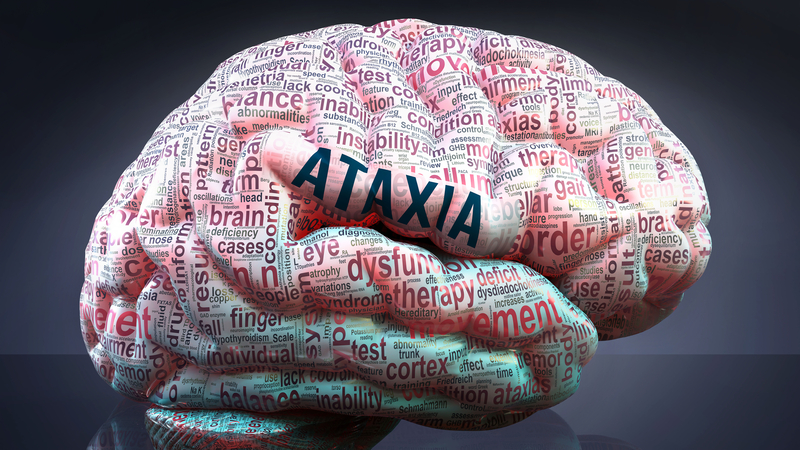
A collaborative study led by Yale researchers reports the many gene expression changes that develop over the course of a neurodegenerative disorder called spinocerebellar ataxia type 1, shedding light on its progression. Spinocerebellar ataxia type 1 is a disorder that... Continue Reading →

With help from an artificial language network, MIT neuroscientists have discovered what kind of sentences are most likely to fire up the brain’s key language processing centers. The new study reveals that sentences that are more complex, either because of... Continue Reading →
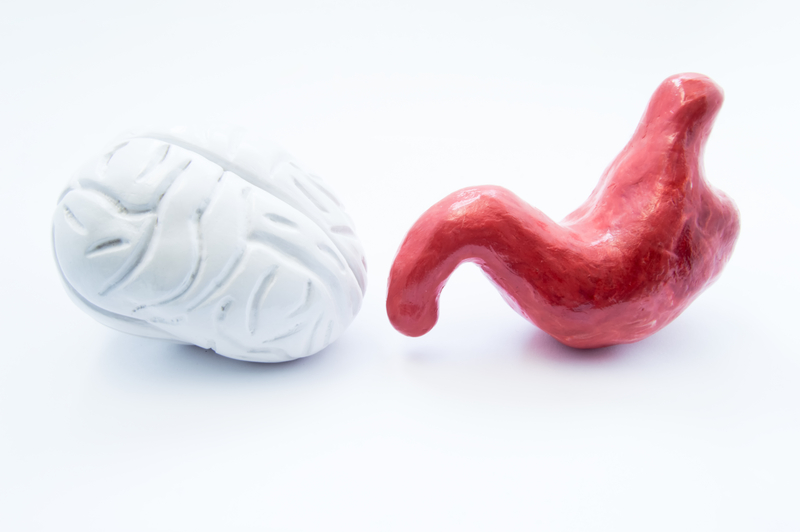
Ask any neurologist: Parkinson’s disease is a brain disorder. The conspicuous symptoms of Parkinson’s disease—uncontrollable tremors, slowed down motions, and the feeling that one’s feet are stuck to the ground—all stem from the loss of neurons in a region of... Continue Reading →
Older people who have fluctuating levels of cholesterol and triglycerides may have a higher risk of Alzheimer’s disease and related dementias compared to people who have steady levels, according to new research published in the July 5, 2023, online issue... Continue Reading →

Are you scared of clowns? You are not alone. Coulrophobia, or the fear of clowns, is a widely acknowledged phenomenon. Studies indicate this fear is present among both adults and children in many different cultures. Yet it is not well understood due to... Continue Reading →
 Scents of Science