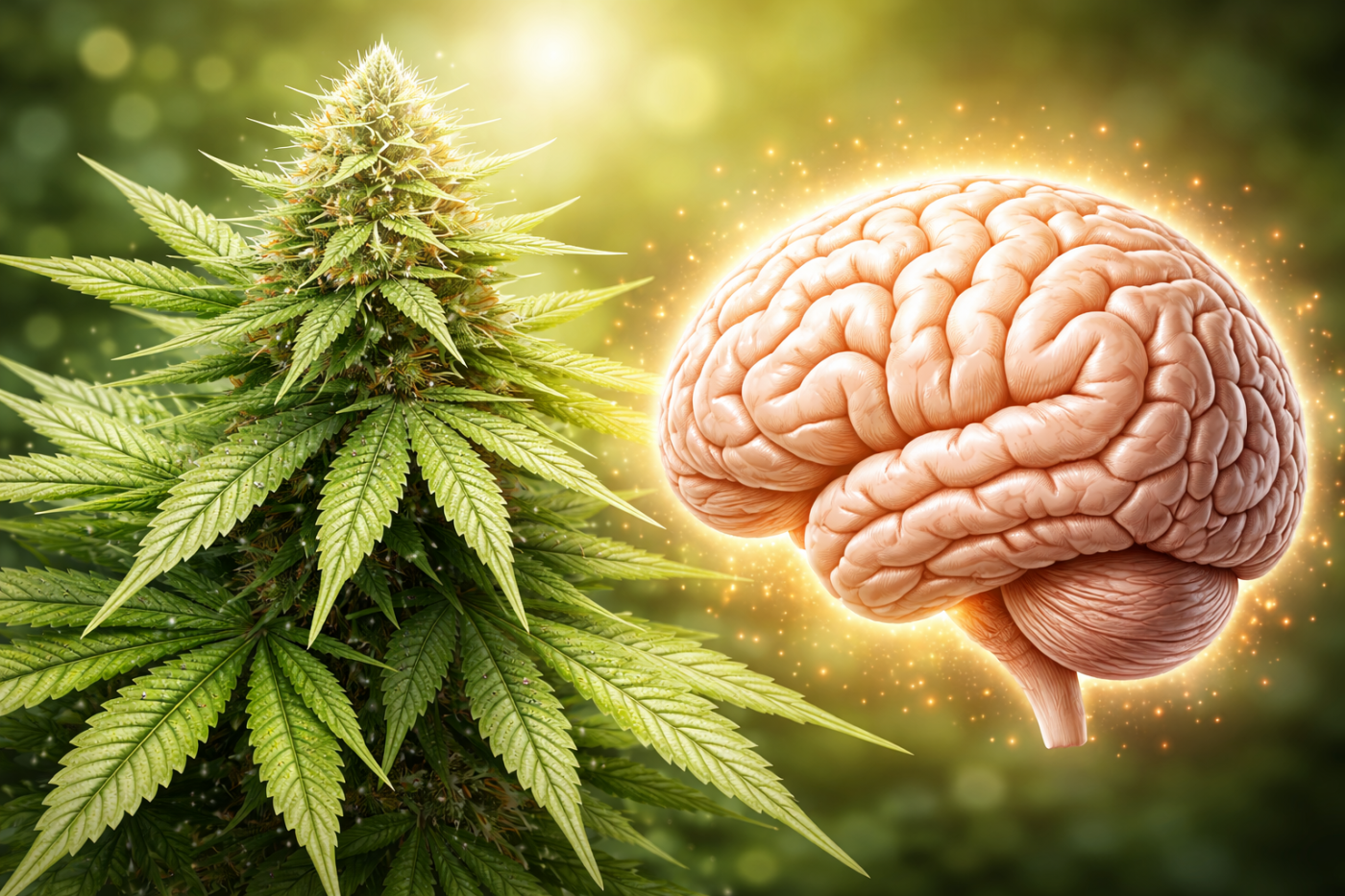
A landmark paper published in The Lancet Psychiatry – the largest-ever review of the safety and efficacy of cannabinoids across a range of mental health conditions – found no evidence that medicinal cannabis is effective in treating anxiety, depression or post-traumatic stress disorder (PTSD). The study comes... Continue Reading →
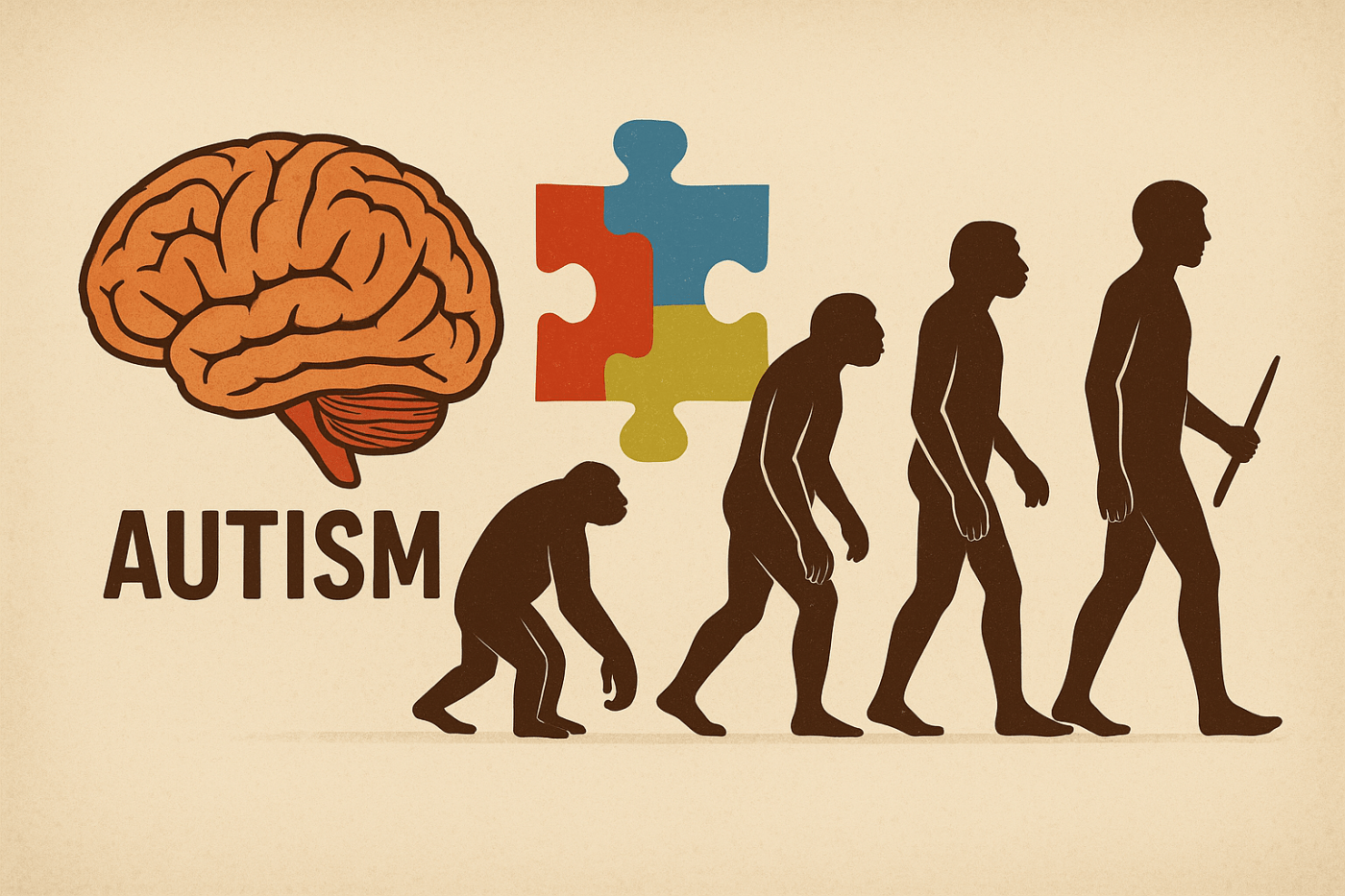
A new paper in Molecular Biology and Evolution, published by Oxford University Press, finds that the relatively high rate of Autism-spectrum disorders in humans is likely due to how humans evolved in the past. About one in 31 (3.2%) children in the... Continue Reading →
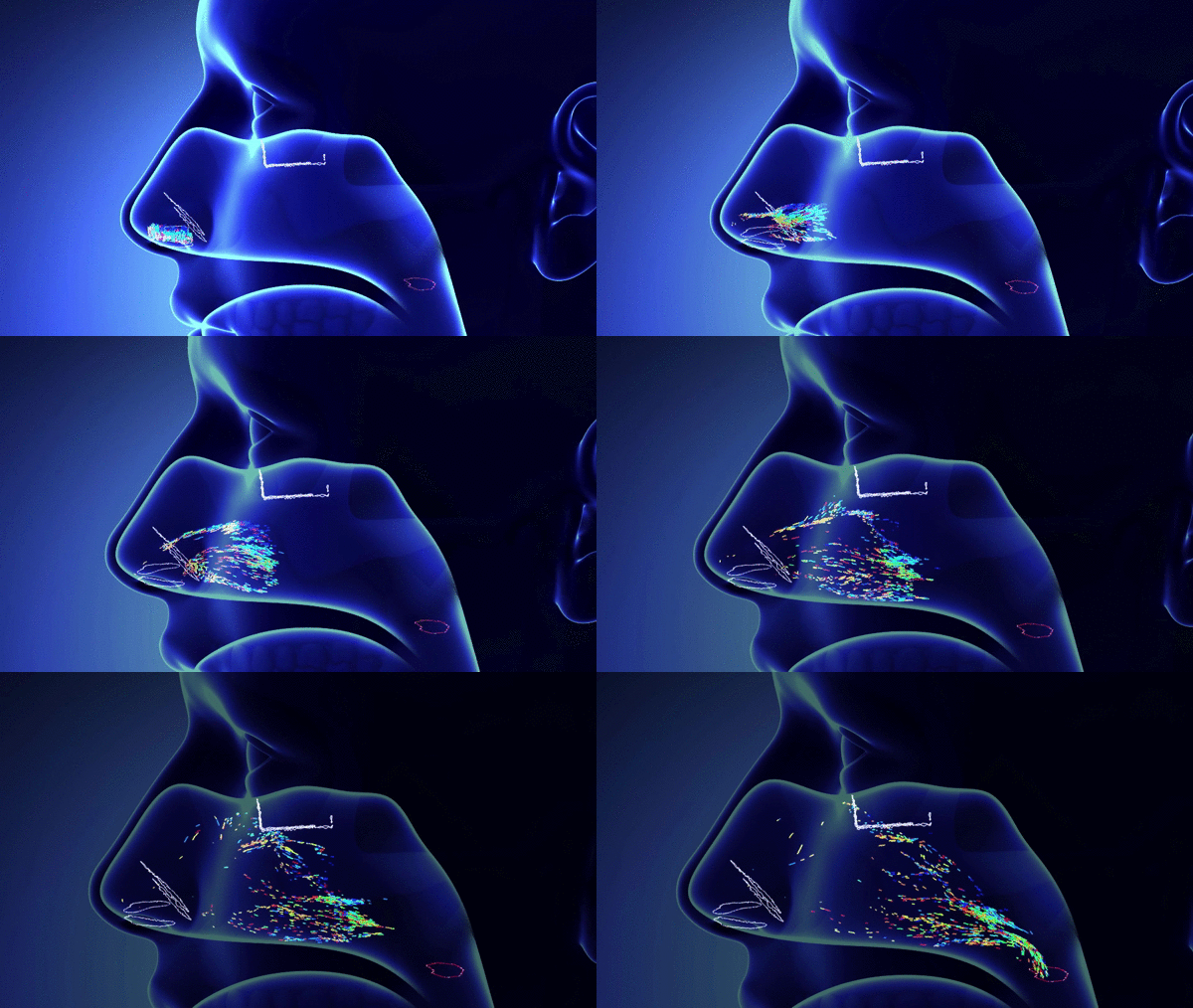
Flavoured drinks without sugar can be perceived as sweet – and now researchers know why. A new study from Karolinska Institutet in Sweden, published in the journal Nature Communications, reveals that the brain interprets certain aromas as taste. When we eat... Continue Reading →
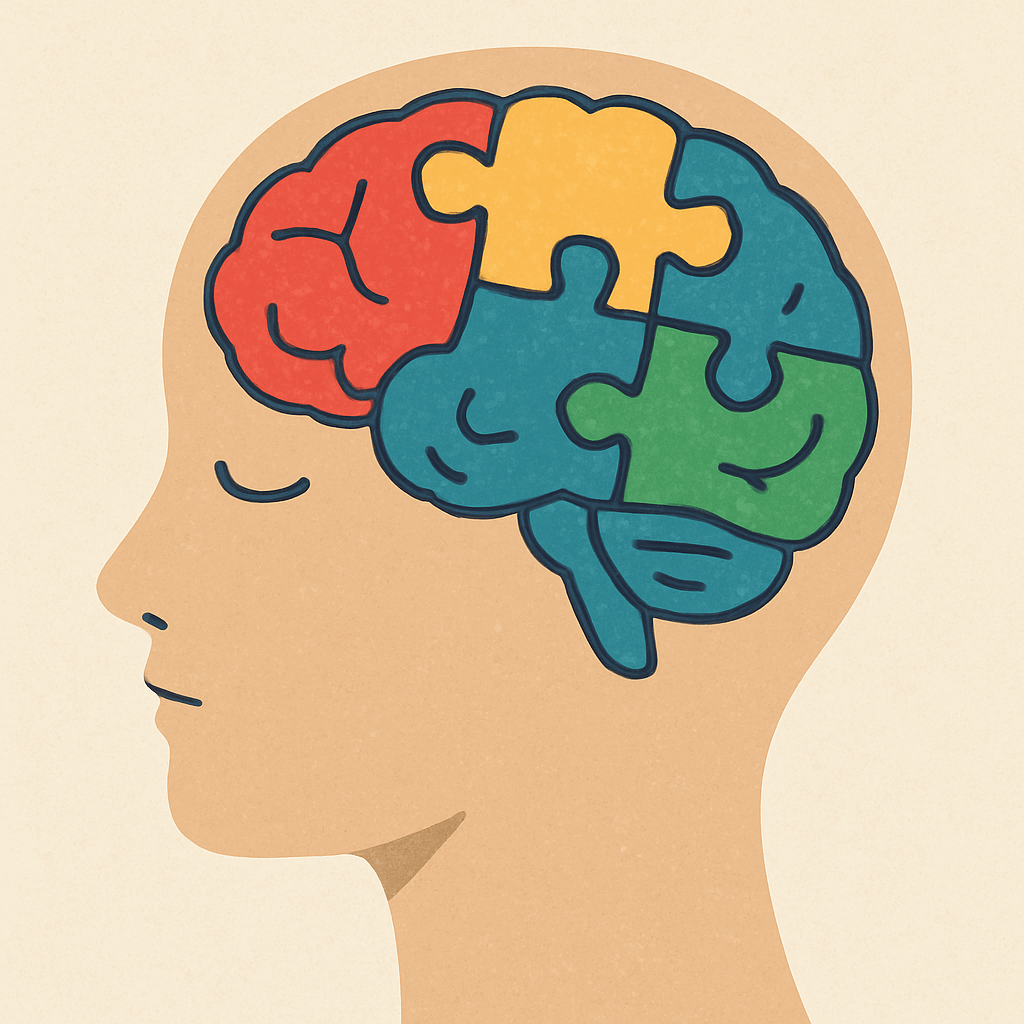
Stanford Medicine scientists investigating the neurological basis of autism spectrum disorder (ASD) have found that hyperactivity in a specific brain region could drive behaviors commonly associated with the disorder. Using the Cntnap2 knockout mouse model, the researchers, led by John Huguenard, PhD,... Continue Reading →
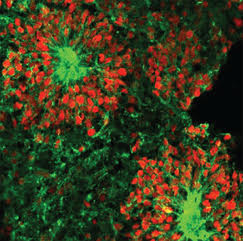
Microgravity is known to alter the muscles, bones, the immune system and cognition, but little is known about its specific impact on the brain. To discover how brain cells respond to microgravity, Scripps Research scientists, in collaboration with the New... Continue Reading →
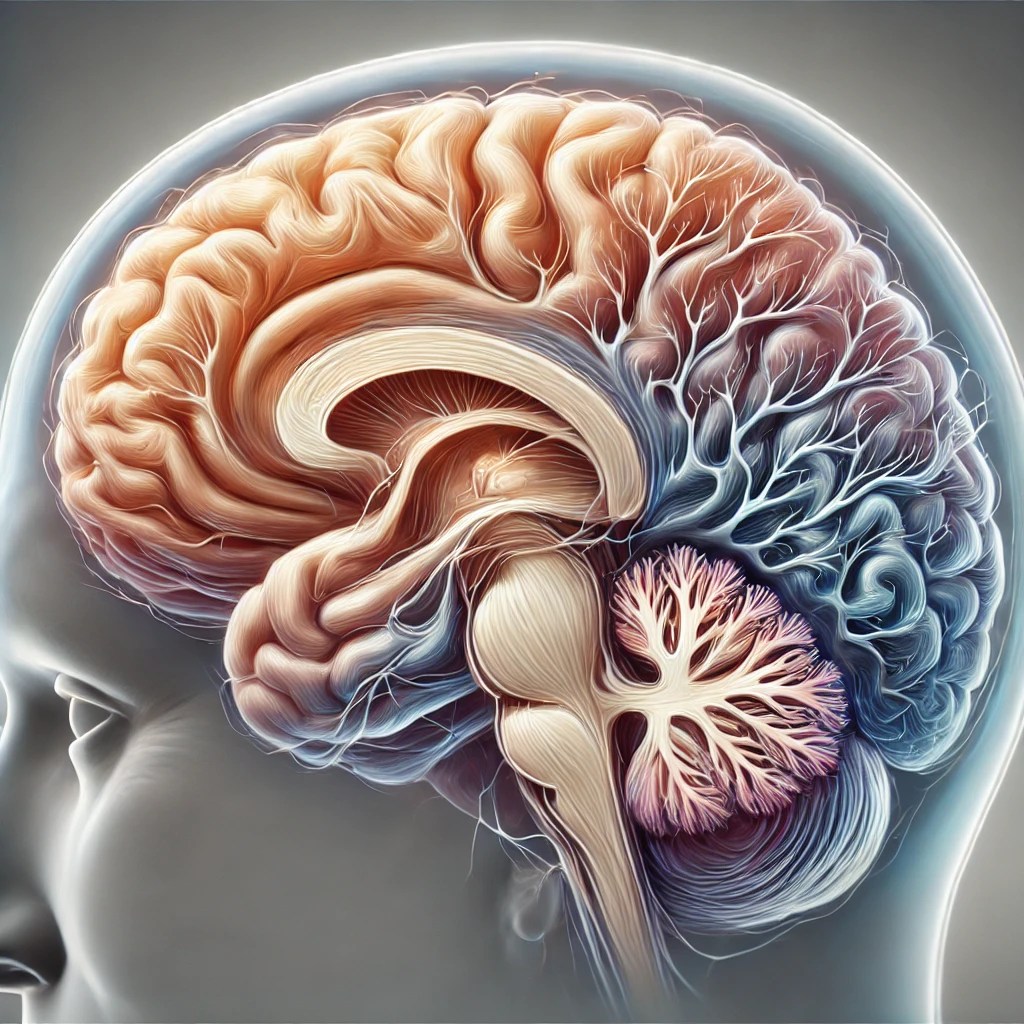
NEW YORK, NY, December 23, 2024 — Researchers with the CUNY ASRC have unveiled a critical mechanism that links cellular stress in the brain to the progression of Alzheimer’s disease (AD). The study, published in the journal Neuron, highlights microglia, the brain’s primary... Continue Reading →
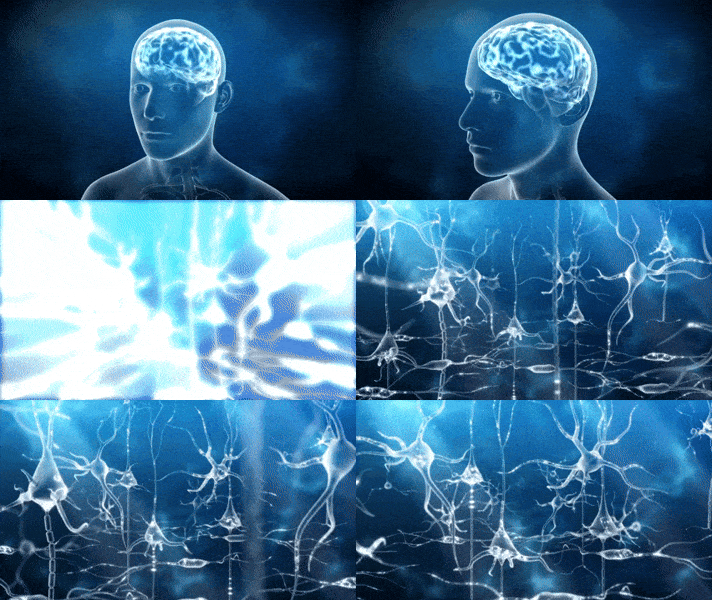
Just as a conductor coordinates different instruments in an orchestra to produce a symphony, breathing coordinates hippocampal brain waves that strengthen memory while we sleep, reports a new Northwestern Medicine study in the Proceedings of the National Academy of Sciences.... Continue Reading →
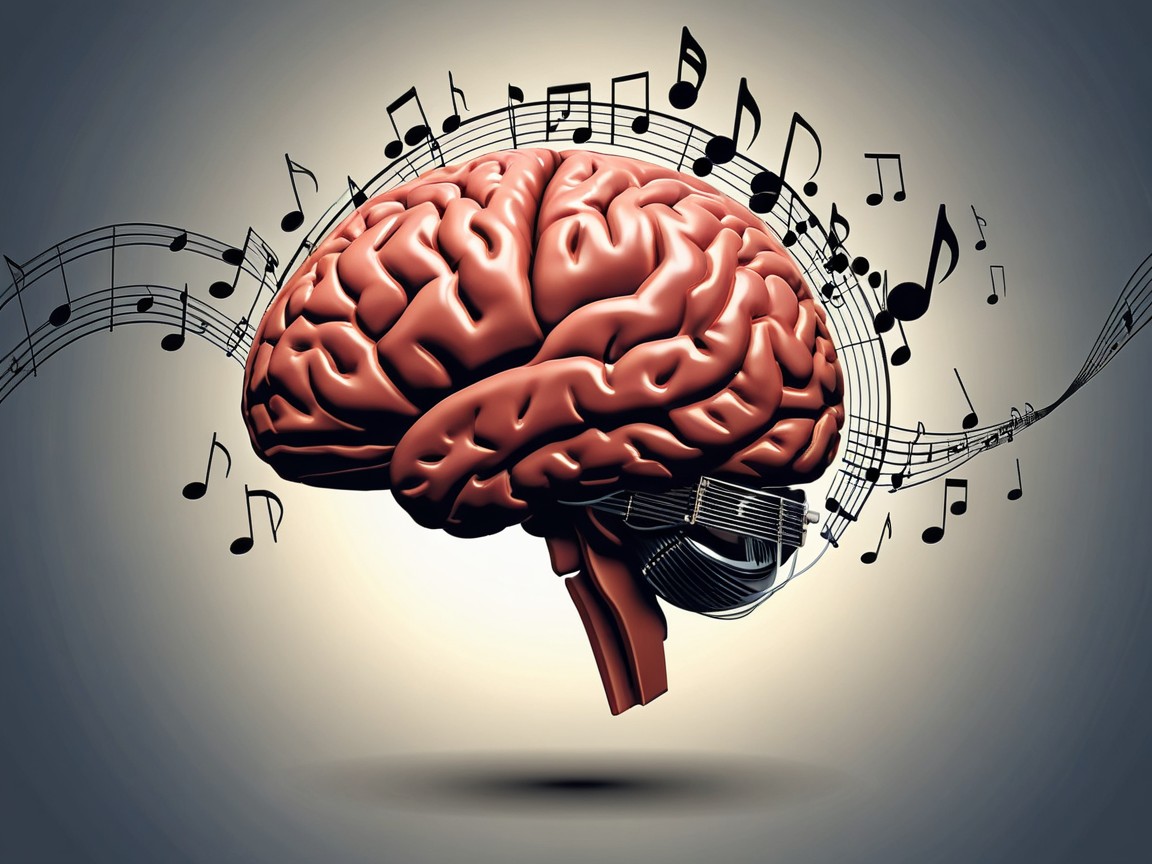
In a groundbreaking study published Nov. 21 in the journal Nature Human Behaviour, researchers have uncovered significant genetic connections between human language abilities and musical rhythm skills, providing new insights into the biological underpinnings of these fundamental human traits. The study... Continue Reading →
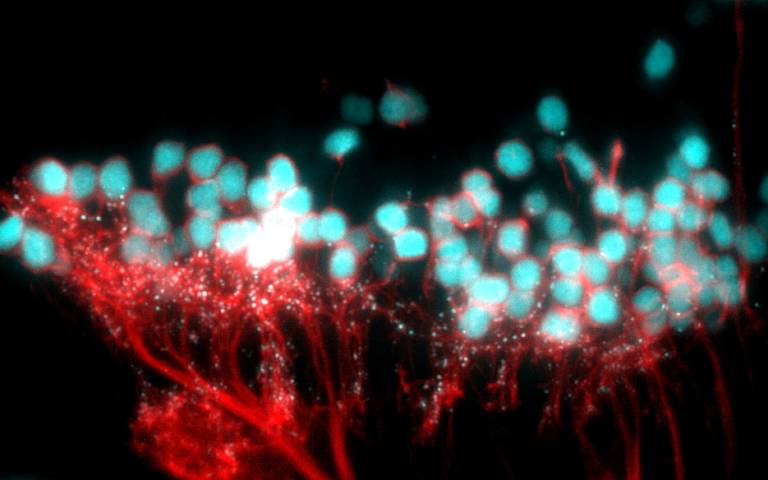
The researchers say their findings, published in Nature, provide insight into the role of sleep, but still leave an open question around what function the latter half of a night’s sleep serves. The researchers say the study supports the Synaptic Homeostasis... Continue Reading →
 Scents of Science