
While astronomers have seen the debris from scores of exploded stars in the Milky Way and nearby galaxies, it is often difficult to determine the timeline of the star’s demise. By studying the spectacular remains of a supernova in a neighboring galaxy... Continue Reading →
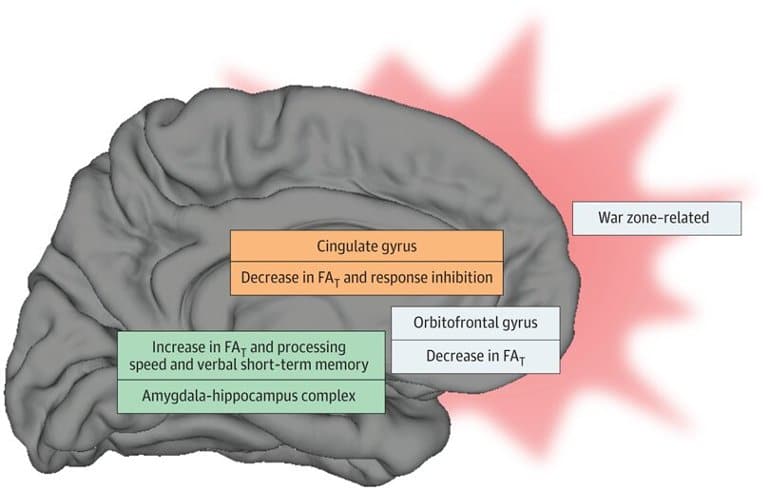
Military service members who have returned from theaters of war are at increased risk of mental health problems. But few studies have examined the physical effects that war-zone related stress may have on the structure of the brain. A new... Continue Reading →

How much of planet Earth is made of water? Very little, actually. Although oceans of water cover about 70 percent of Earth's surface, these oceans are shallow compared to the Earth's radius. The featured illustration shows what would happen if all of the water on or near the... Continue Reading →
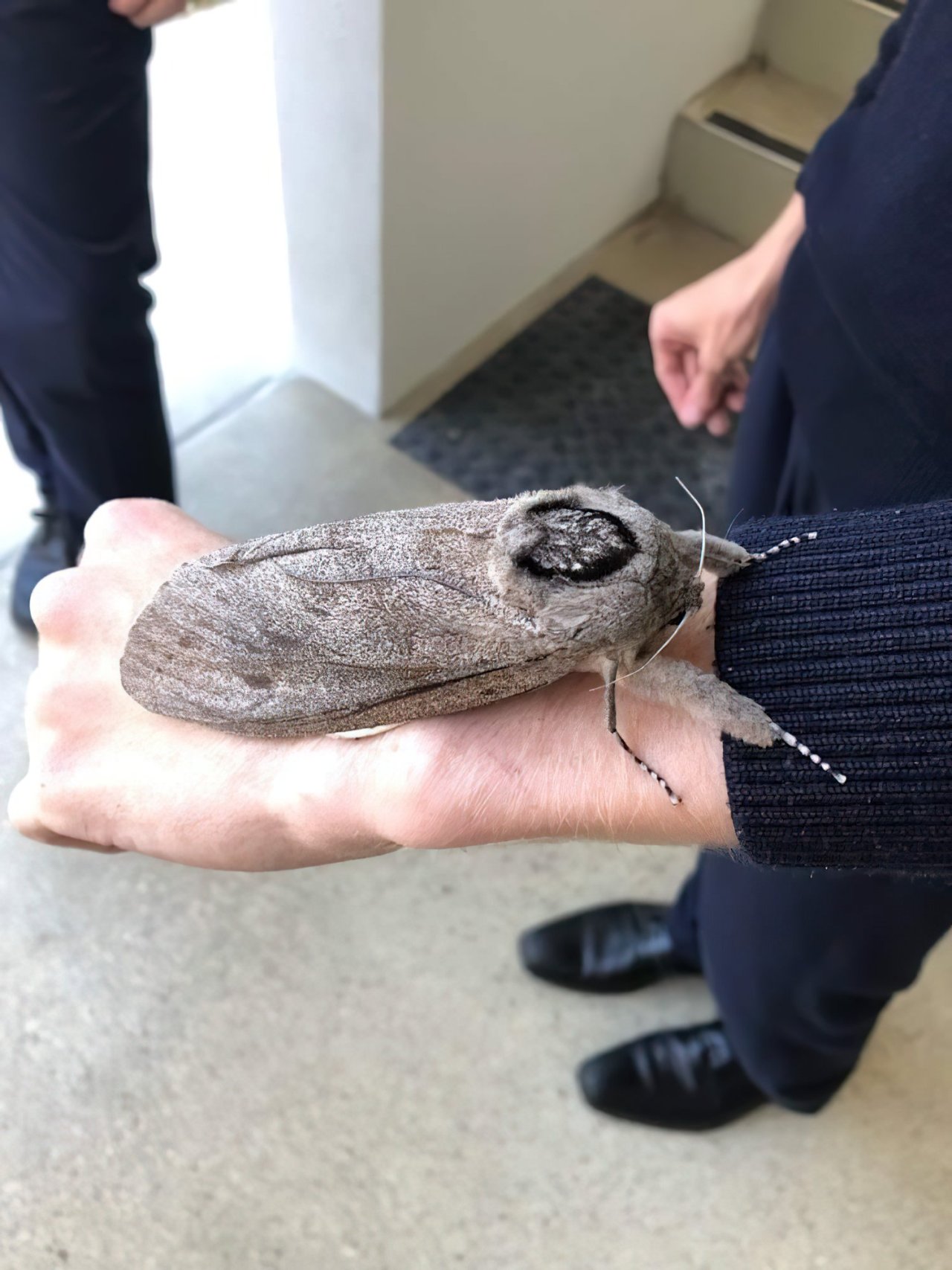
The Giant Wood Moth is the heaviest moth in the world, with some females weighing up to 30 grams. The caterpillars of wood moths feed on plant roots, but the adults do not feed during their short life span. The... Continue Reading →

The more you stare the more you see. Source: https://jeffleejohnson.com/
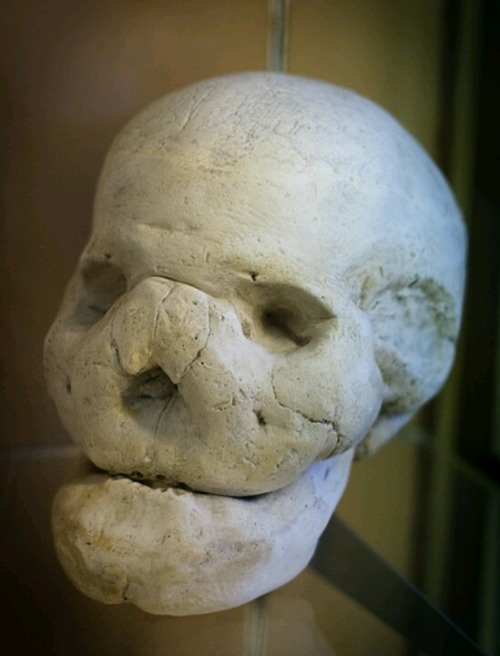
Leontiasis ossea is largely a historical term used to describe a number of conditions that result in the affected patient's face resembling that of a lion. Although it is most frequently associated with craniofacial fibrous dysplasia, it has a broader meaning encompassing... Continue Reading →

Since May, ESA’s 35-metre Deep Space antenna in Malargüe, Argentina, has been helping to provide ultra-precise measurements of DART’s position with regular tracking time dedicated to the mission in the months leading up to impact. The station creates a geographical... Continue Reading →
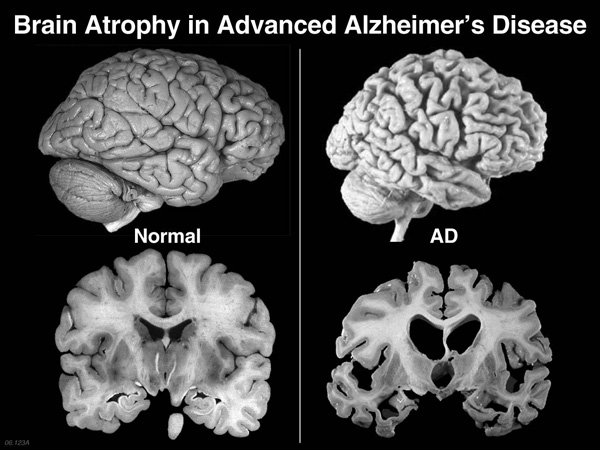
The pursuit of a cure for Alzheimer’s disease is becoming an increasingly competitive and contentious quest with recent years witnessing several important controversies. In July 2022, Science magazine reported that a key 2006 research paper, published in the prestigious journal Nature, which identified... Continue Reading →
A new study has investigated the potential of proteins in common foods to elicit protection against SARS-CoV-2. The researchers found that antibodies that bind SARS-CoV-2 can also bind to proteins in certain foods, viruses, vaccines, and common bacteria. The results... Continue Reading →
 Scents of Science