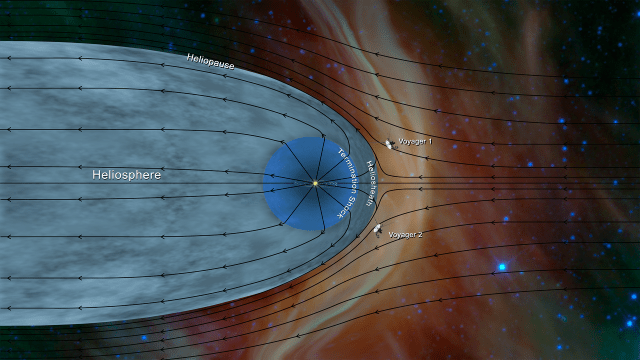
Voyager 1 has a companion in the realm of the stars. Researchers at the University of Iowa report that the spacecraft Voyager 2 has entered the interstellar medium (ISM), the region of space outside the bubble-shaped boundary produced by wind... Continue Reading →

Astronomers using ESO's SPHERE instrument at the Very Large Telescope (VLT) have revealed that the asteroid Hygiea could be classified as a dwarf planet. The object is the fourth largest in the asteroid belt after Ceres, Vesta and Pallas. For... Continue Reading →
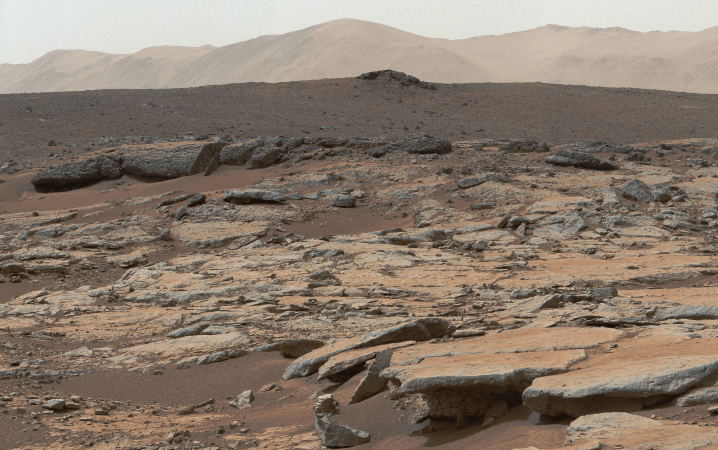
Mars once had salt lakes that are similar to those on Earth and has gone through wet and dry periods, according to an international team of scientists that includes a Texas A&M University College of Geosciences researcher. Marion Nachon, a... Continue Reading →
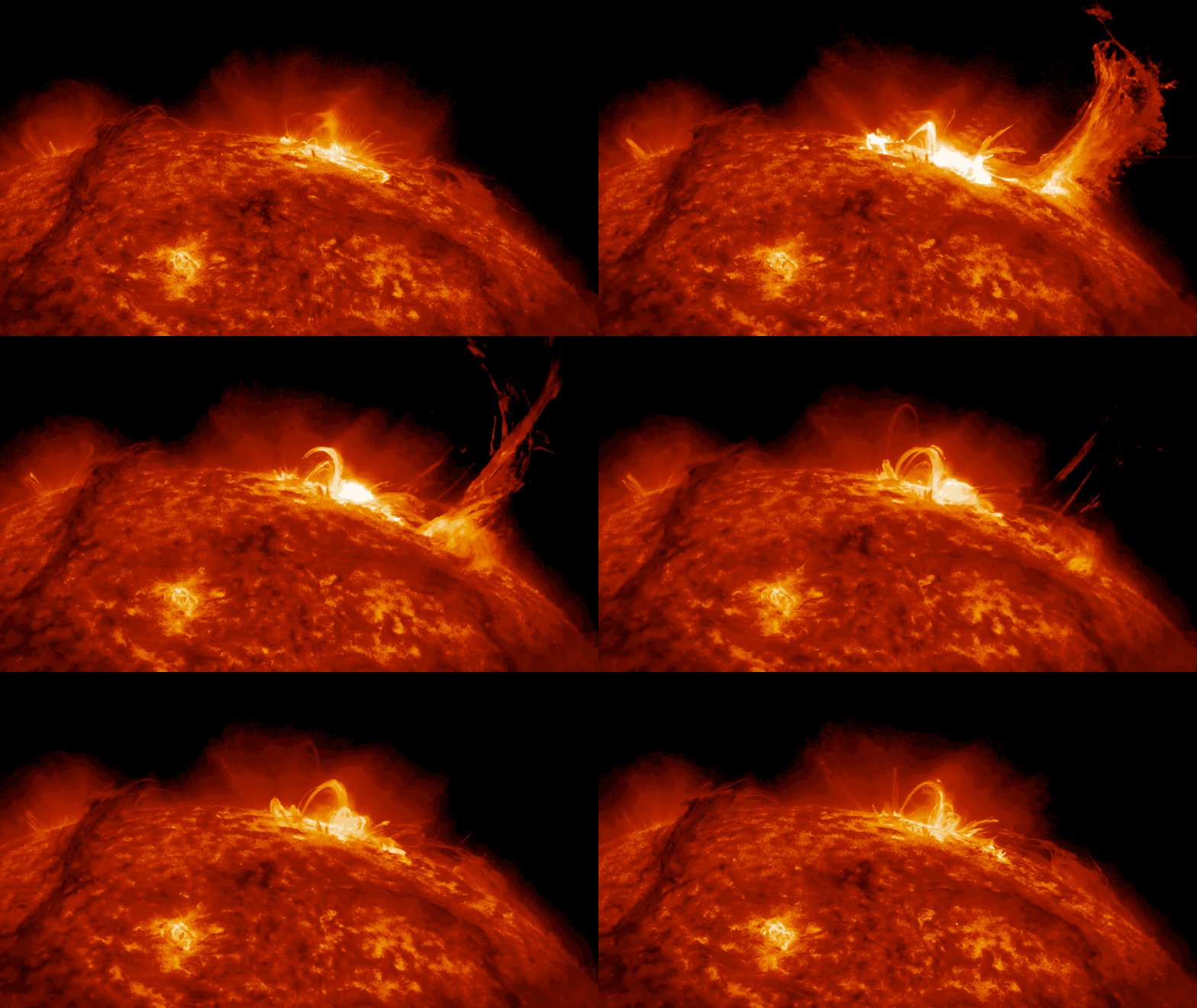
Seen from Earth, solar flares put on an elegant show. But these dancing plasma ribbons are the shrapnel of violent explosions. The energetic process that fuels them, known as magnetic reconnection, doesn't just power flares. Magnetic reconnection shapes the behavior... Continue Reading →

Animation showing the trajectory of Solar Orbiter around the Sun, highlighting the gravity assist manoeuvres that will enable the spacecraft to change inclination to observe the Sun from different perspectives. During the initial cruise phase, which lasts until November 2021,... Continue Reading →
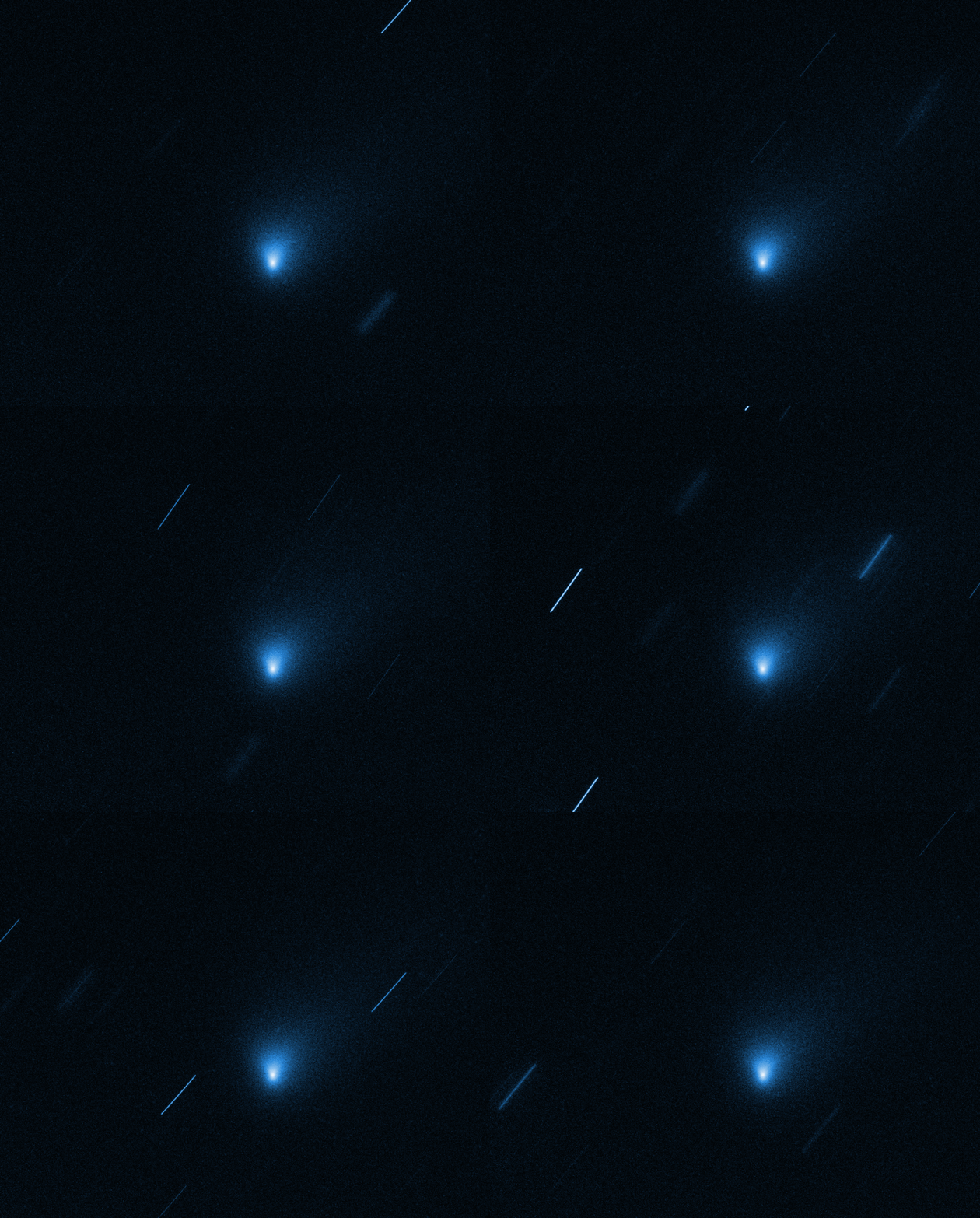
NASA's Hubble Space Telescope has given astronomers their best look yet at an interstellar visitor — comet 2I/Borisov — whose speed and trajectory indicate it has come from beyond our solar system. This Hubble image, taken on Oct. 12, 2019,... Continue Reading →

The failed unit was beyond the reach of the robotic Canadarm2. Therefore, this repair of the International Space Station would require humans. The humans on duty were NASA's Jessica Meir and Christina Koch. This was the fourth spacewalk for Meir, the first for Koch, and the first... Continue Reading →
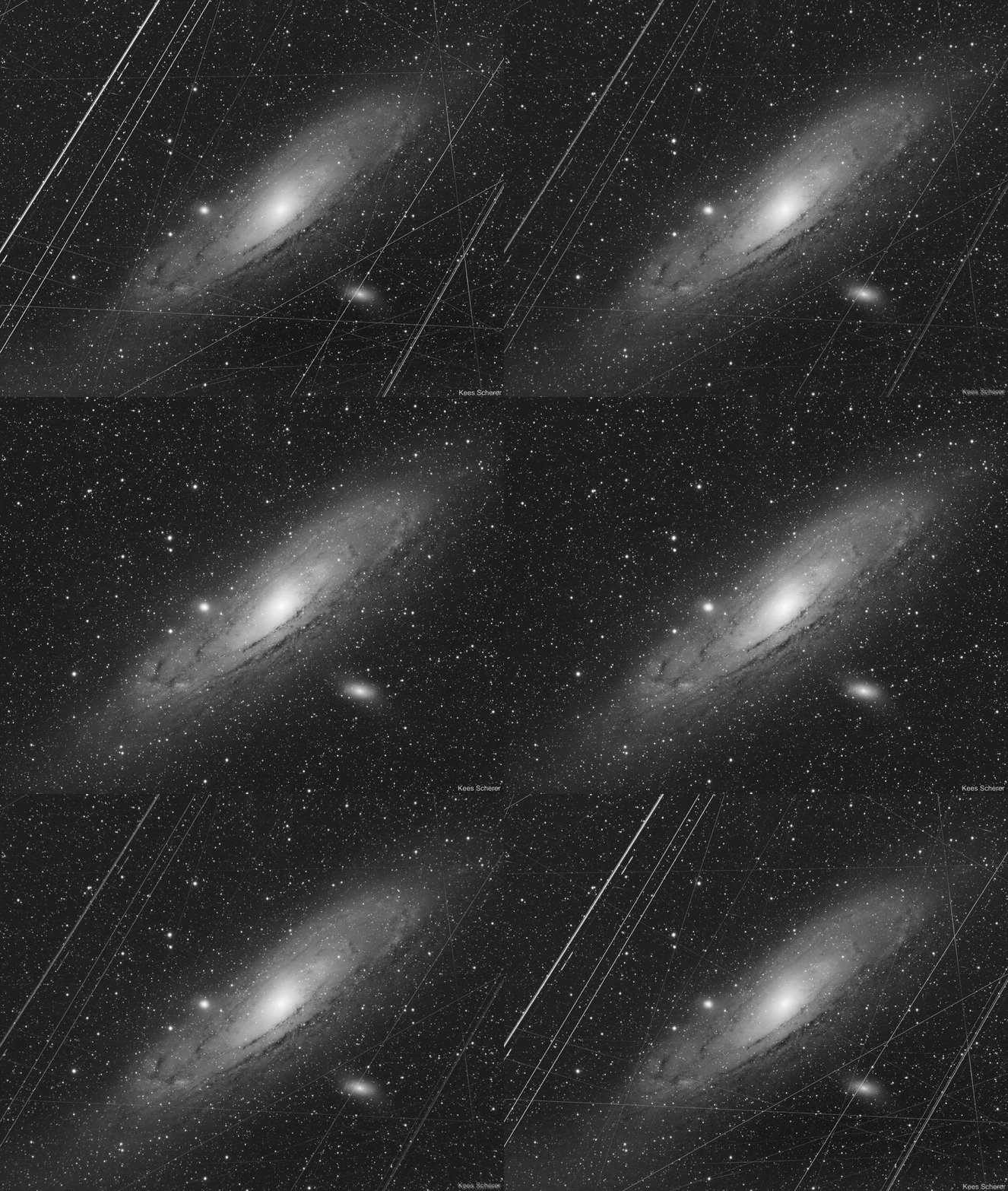
What does the Andromeda galaxy really look like? The featured image shows how our Milky Way Galaxy's closest major galactic neighbor really appears in a long exposure through Earth's busy skies and with a digital camera that introduces normal imperfections. The picture is a... Continue Reading →

Discovered in 2018 by NASA's Transiting Exoplanet Satellite Survey (TESS) mission, planet LHS 3844b is located 48.6 light-years from Earth and has a radius 1.3 times that of Earth. It orbits a small, cool type of star called an M dwarf - especially noteworthy because,... Continue Reading →
 Scents of Science