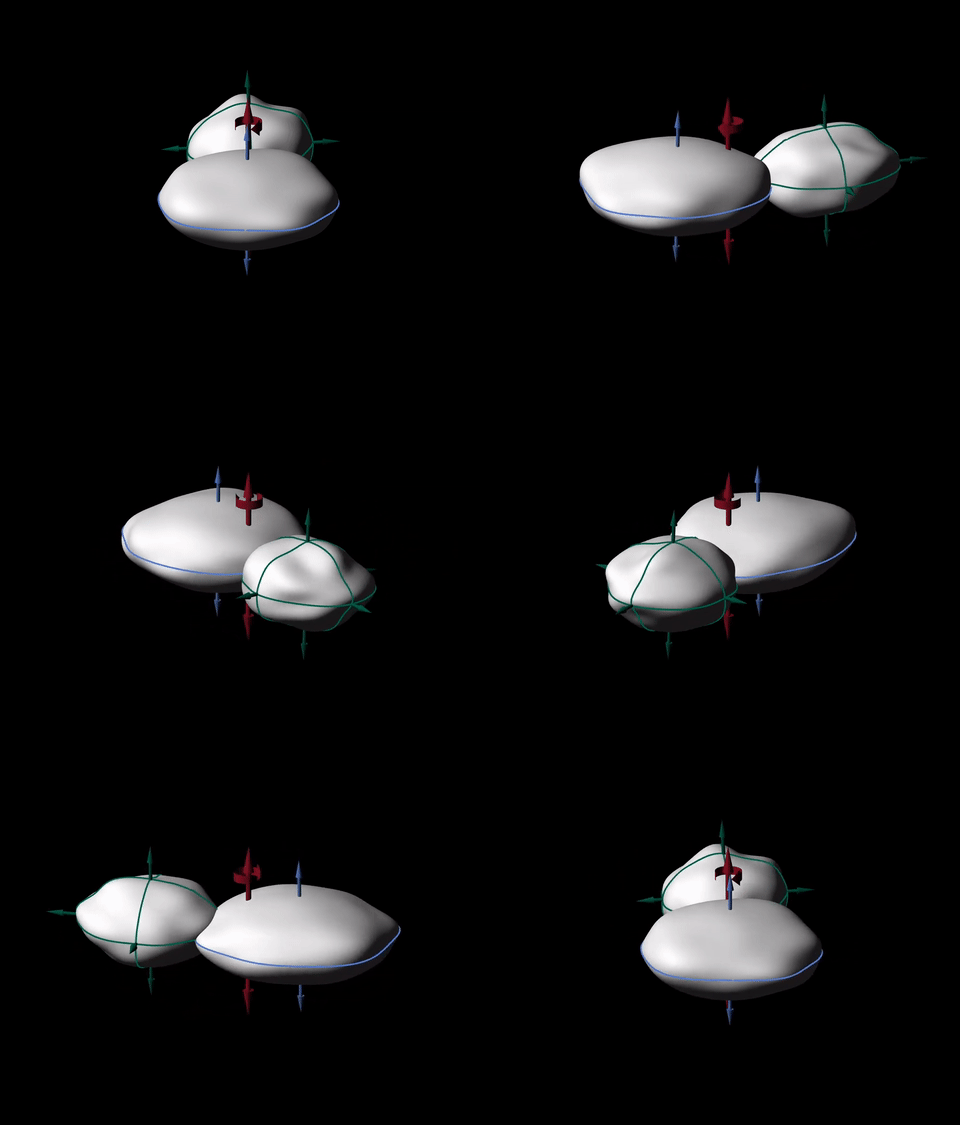
Data from NASA's New Horizons mission are providing new insights into how planets and planetesimals -- the building blocks of the planets -- were formed. The New Horizons spacecraft flew past the ancient Kuiper Belt object Arrokoth (2014 MU69) on... Continue Reading →
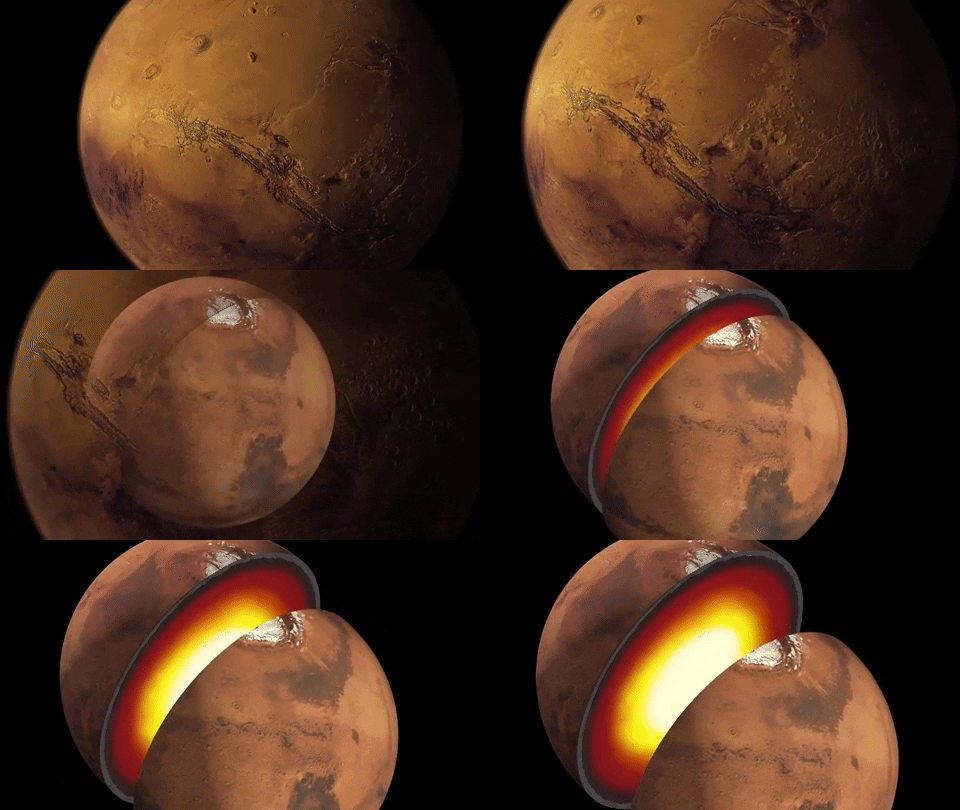
The early solar system was a chaotic place, with evidence indicating that Mars was likely struck by planetesimals, small protoplanets up to 1,200 miles in diameter, early in its history. Southwest Research Institute scientists modeled the mixing of materials associated... Continue Reading →
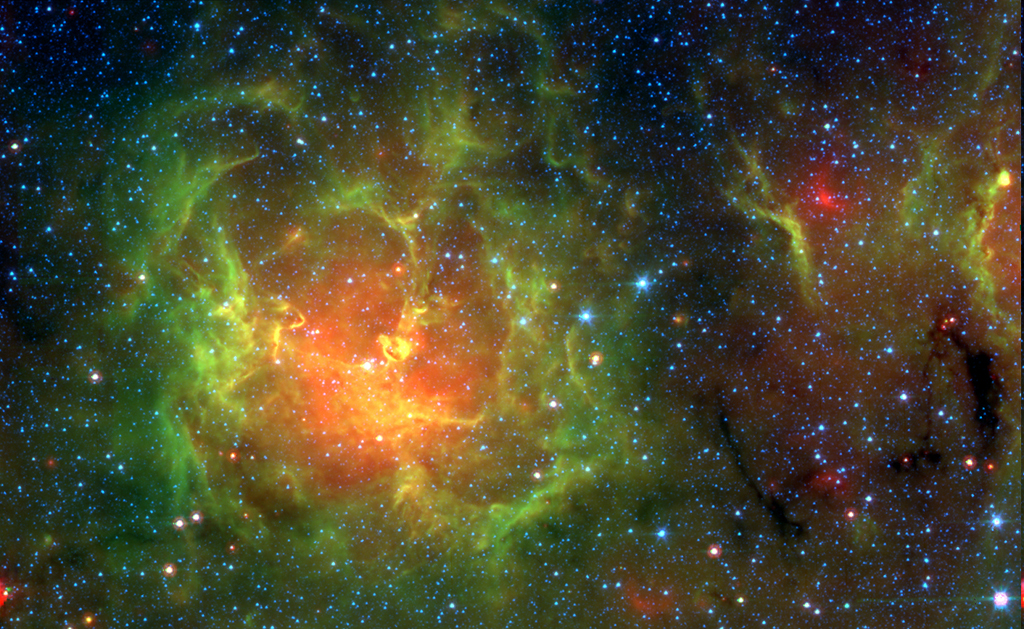
The Trifid Nebula, also known as Messier 20, is easy to find with a small telescope. About 30 light-years across and 5,500 light-years distant it's a popular stop for cosmic tourists in the nebula rich constellation Sagittarius. As its name suggests, visible light pictures show... Continue Reading →
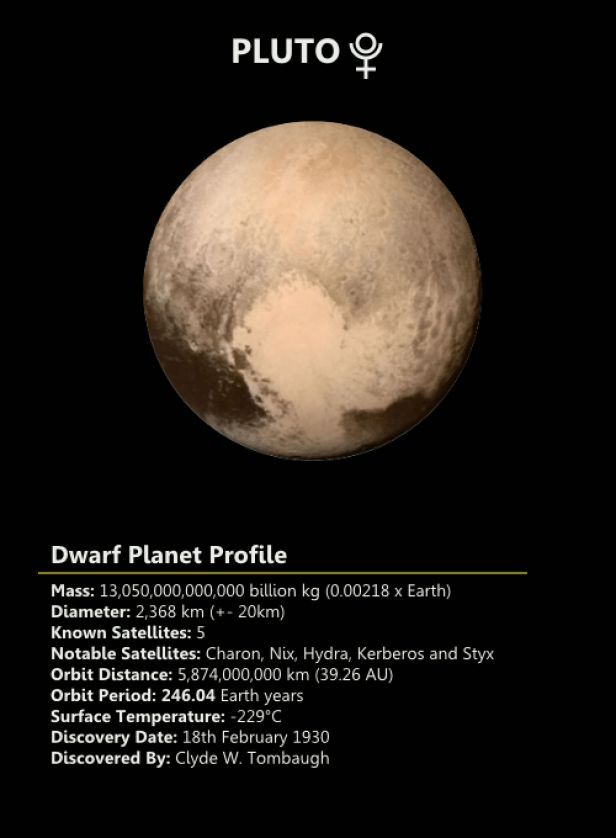
A "beating heart" of frozen nitrogen controls Pluto's winds and may give rise to features on its surface, according to a new study. Pluto's famous heart-shaped structure, named Tombaugh Regio, quickly became famous after NASA's New Horizons mission captured footage... Continue Reading →
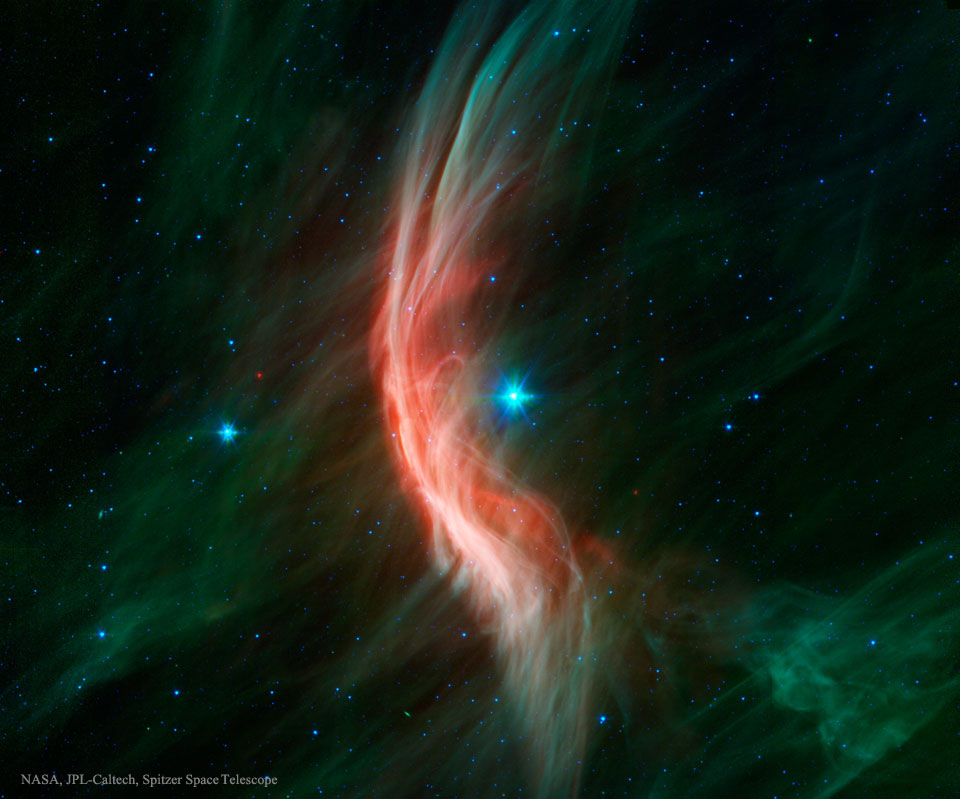
Like a ship plowing through cosmic seas, runaway star Zeta Ophiuchi produces the arcing interstellar bow wave or bow shock seen in this stunning infrared portrait. In the false-color view, bluish Zeta Oph, a star about 20 times more massive than the Sun, lies near... Continue Reading →
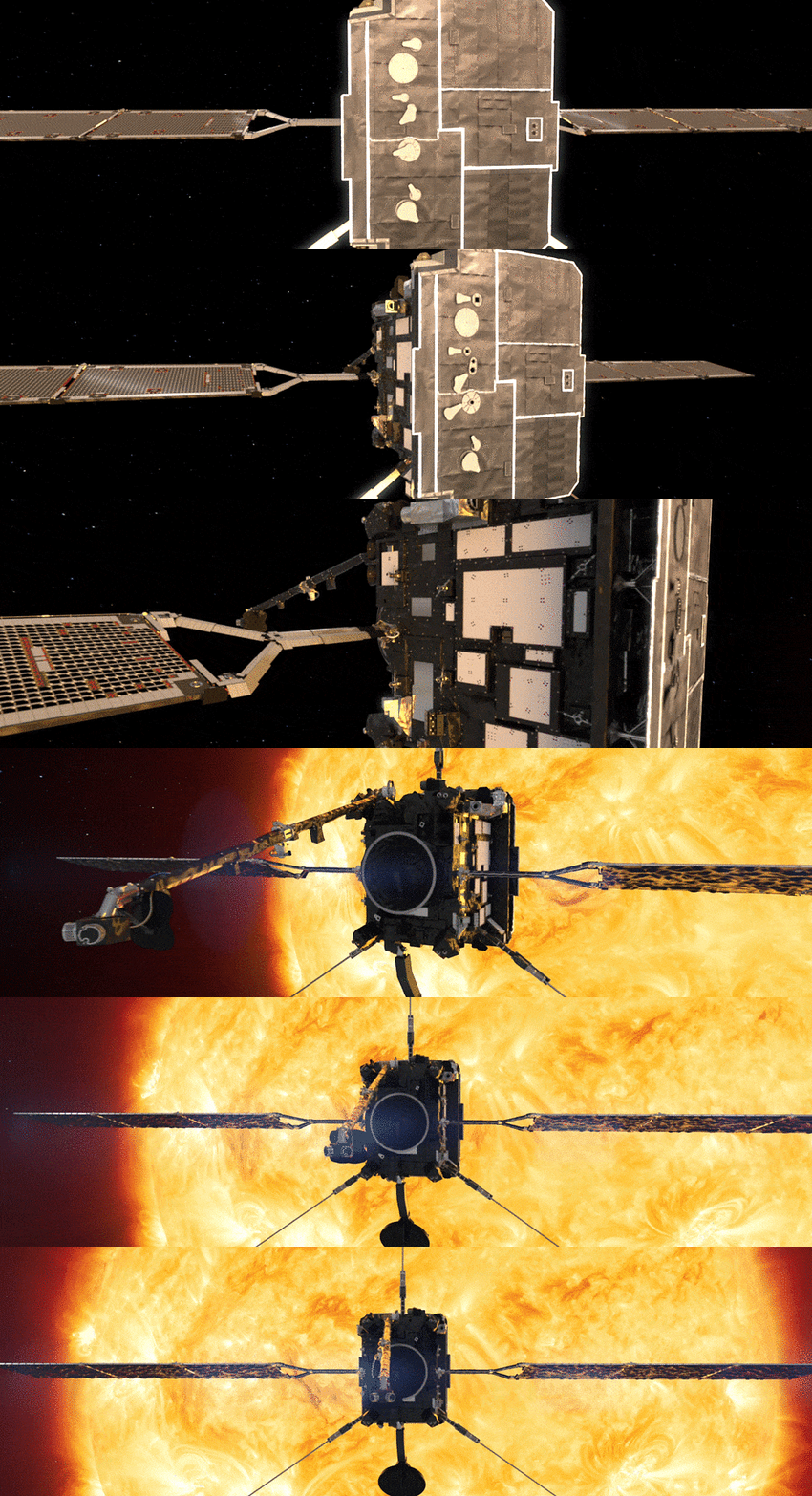
A new spacecraft is journeying to the Sun to snap the first pictures of the Sun’s north and south poles. Solar Orbiter, a collaboration between the European Space Agency, or ESA, and NASA, will have its first opportunity to launch... Continue Reading →

First images from the National Science Foundation's Daniel K. Inouye Solar Telescope reveal unprecedented detail of the sun's surface and preview the world-class products to come from this preeminent 4-meter solar telescope. NSF's Inouye Solar Telescope, on the summit of... Continue Reading →
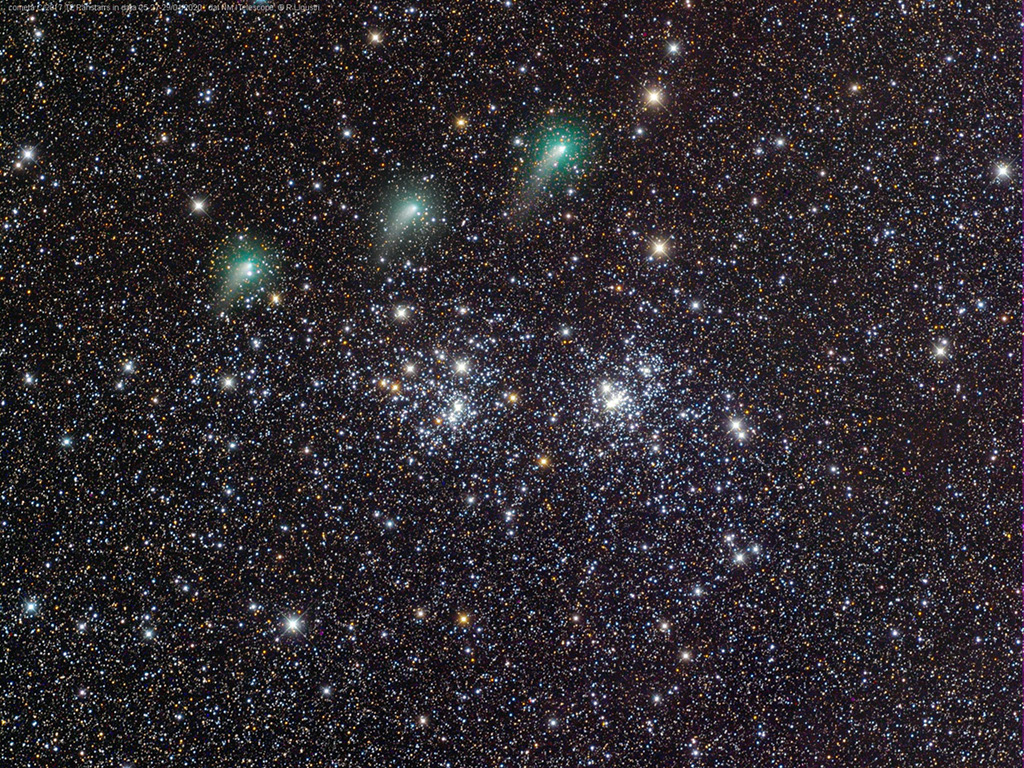
This lovely starfield spans some four full moons (about 2 degrees) across the heroic northern constellation of Perseus. In telescopic exposures made during the nights of January 24, 26, and 28 it holds the famous pair of open or galactic star... Continue Reading →

What's all of the commotion in the Tadpole Nebula? Star formation. Dusty emission in the Tadpole Nebula, IC 410, lies about 12,000 light-years away in the northern constellation of the Charioteer (Auriga). The cloud of glowing gas is over 100 light-years across, sculpted by stellar winds and radiation from... Continue Reading →
 Scents of Science