
A mere 280 light-years from Earth, tidally locked, Jupiter-sized exoplanet WASP-43b orbits its parent star once every 0.8 Earth days. That puts it about 2 million kilometers (less than 1/25th the orbital distance of Mercury) from a small, cool sun.... Continue Reading →

The well-known Pleiades star cluster is slowly destroying part of a passing cloud of gas and dust. The Pleiades is the brightest open cluster of stars on Earth's sky and can be seen from almost any northerly location with the unaided eye. Over the past 100,000 years,... Continue Reading →

Venus goes through phases. Just like our Moon, Venus can appear as a full circular disk, a thin crescent, or anything in between. Venus, frequently the brightest object in the post-sunset or pre-sunrise sky, appears so small, however, that it usually requires binoculars or a small telescope to... Continue Reading →
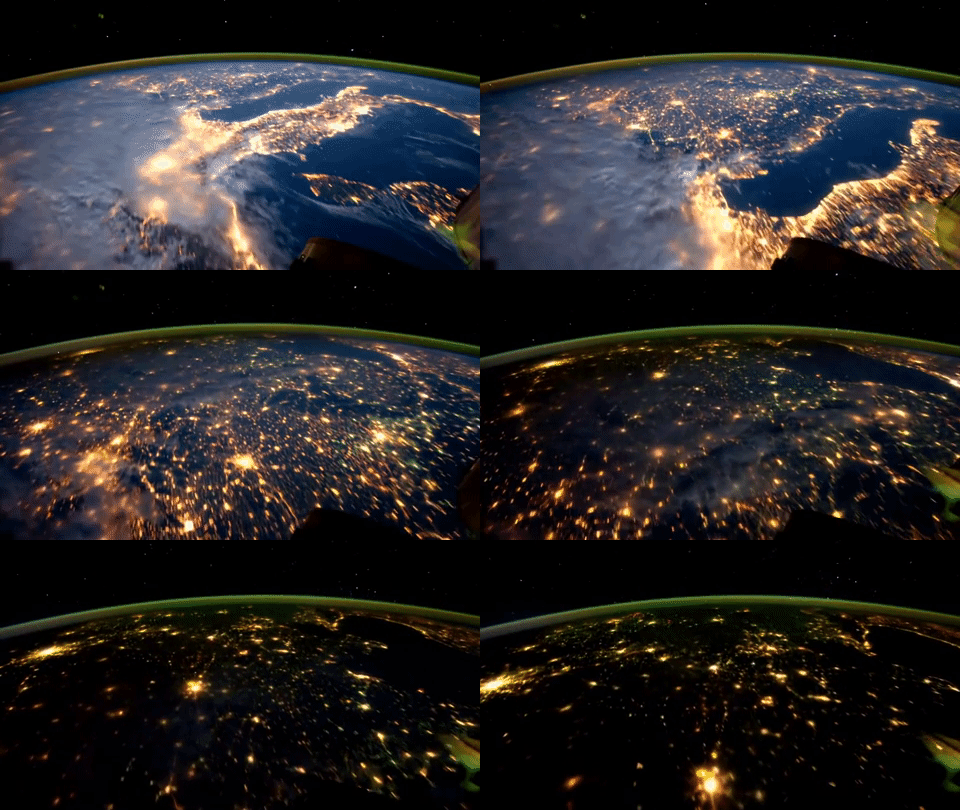
https://www.youtube.com/watch?v=nXUCYW8ia-0 After Ariane 5’s retirement in 2023, Europe’s new and versatile heavy-duty launcher Ariane 6 will continue the Ariane legacy of excellence and reliability. After years of development and construction,Ariane 6 will be ready for its first flight from Europe’s Spaceport... Continue Reading →

There are 88 star patterns known as constellations that are recognized by astronomers and the International Astronomical Union. The constellations are, technically, regions the sky is divided into in order to help with identifying where objects are located on the sky.... Continue Reading →

Comet ZTF has a distinctive shape. The now bright comet visiting the inner Solar System has been showing not only a common dust tail, ion tail, and green gas coma, but also an uncommonly distinctive antitail. The antitail does not actually lead the comet -- it is... Continue Reading →

Can a gas cloud eat a galaxy? It's not even close. The "claw" of this odd looking "creature" in the featured photo is a gas cloud known as a cometary globule. This globule, however, has ruptured. Cometary globules are typically characterized by dusty heads and elongated tails. These features... Continue Reading →
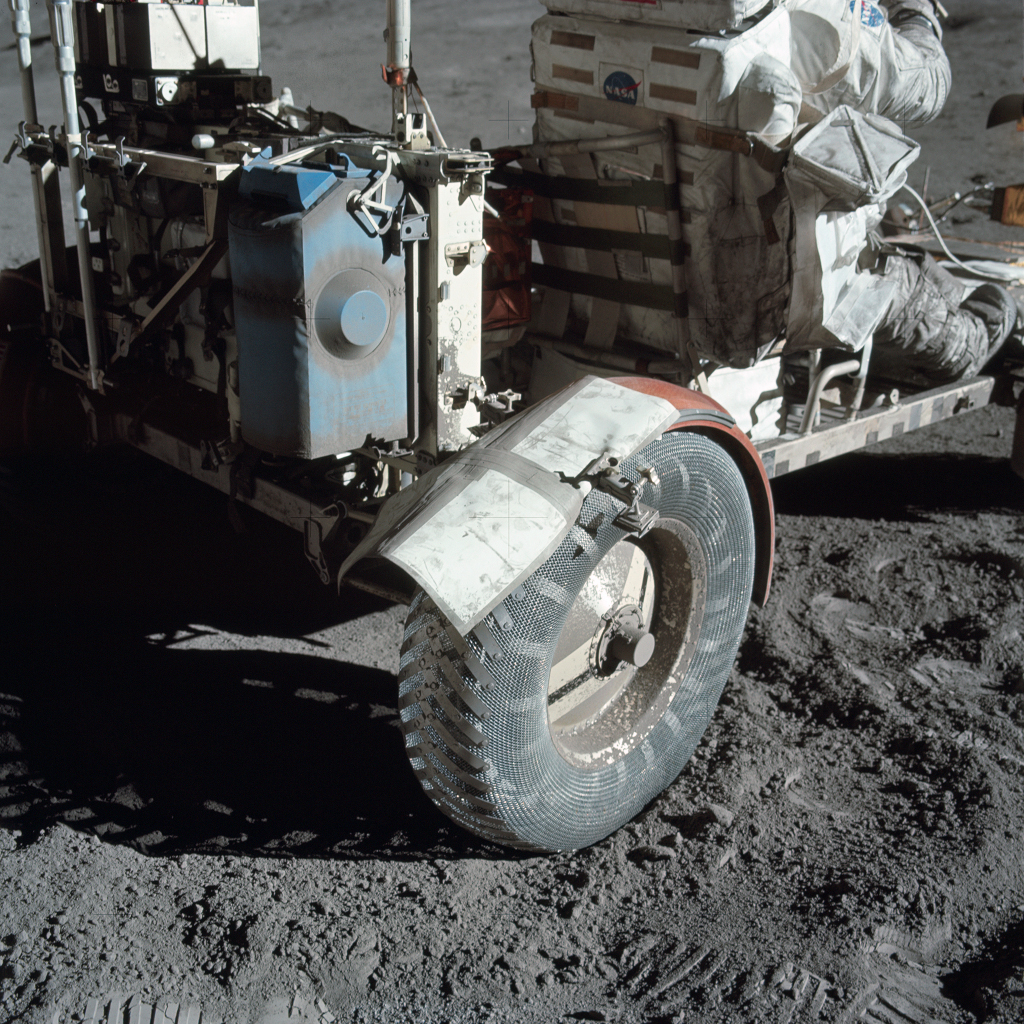
Why is the Moon so dusty? On Earth, rocks are weathered by wind and water, creating soil and sand. On the Moon, the history of constant micrometeorite bombardment has blasted away at the rocky surface creating a layer of powdery lunar soil... Continue Reading →
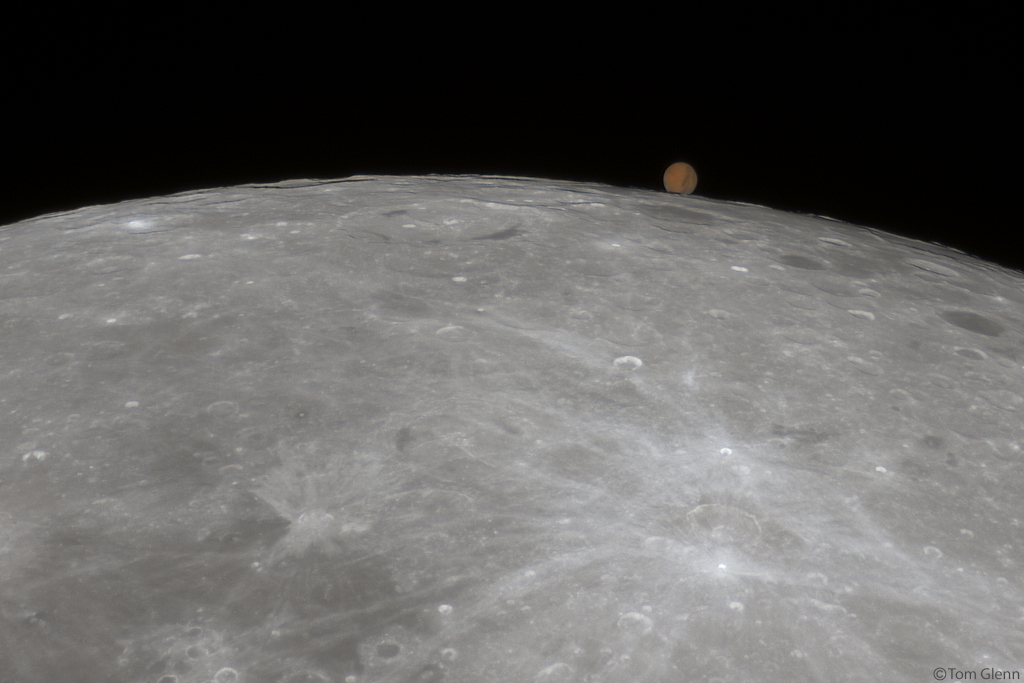
On the night of December 7 Mars wandered near the Full Moon. In fact the Red Planet was occulted, passing behind the Moon, when viewed from locations across Europe and North America. About an hour after disappearing behind the lunar disk Mars reappears... Continue Reading →
 Scents of Science