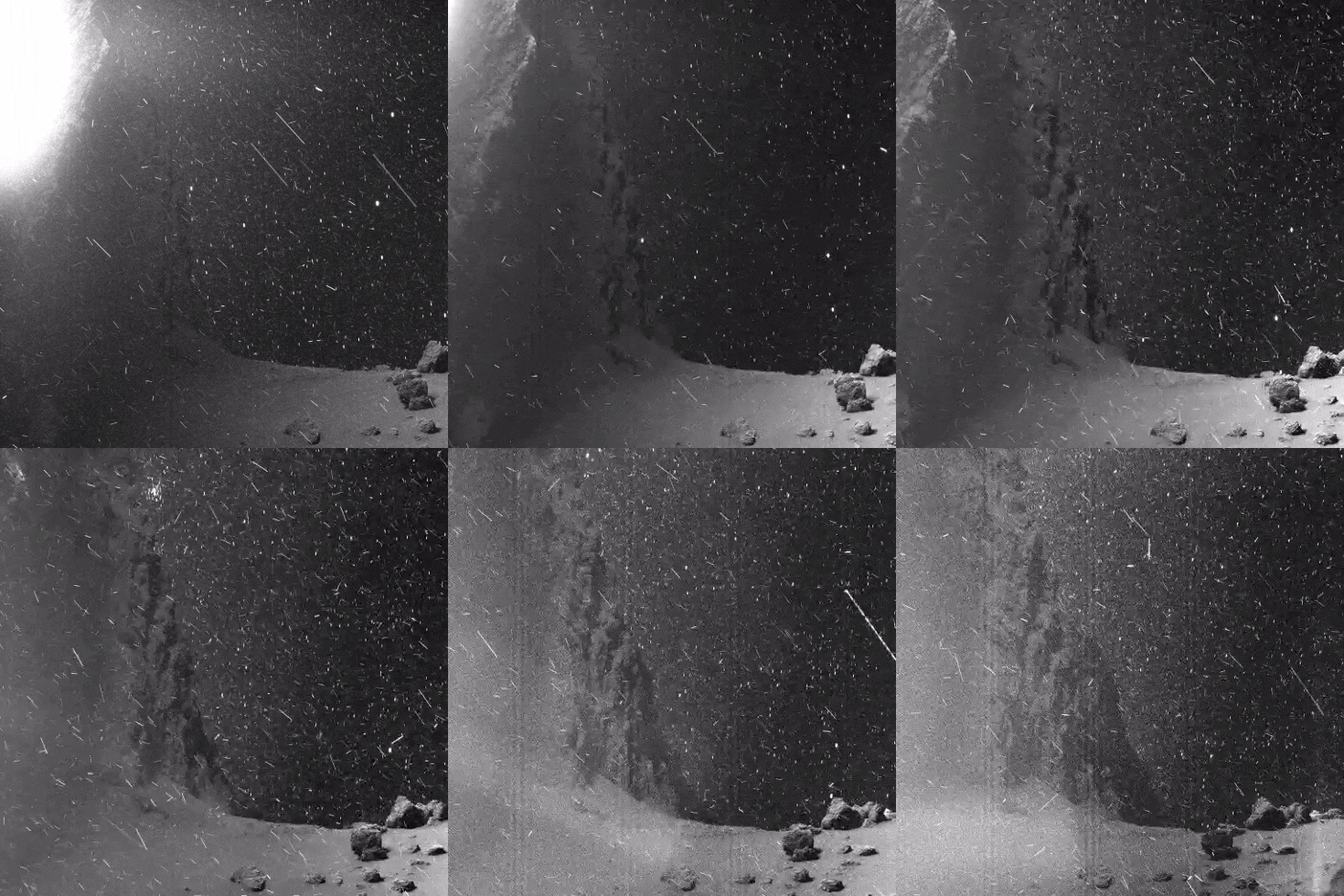
Remember Rosetta? That comet-chasing European Space Agency (ESA) probe that deployed (and accidentally bounced) its lander Philae on the surface of Comet 67P? This GIF is made up of images Rosetta beamed back to Earth, which have been freely available... Continue Reading →

It is the largest and most sophisticated object ever built off the Earth. It has taken numerous spaceflights and over a decade to construct. The International Space Station (ISS) is currently the premiere habitat for humans in Earth orbit, and an amalgamation of sophisticated orbiting... Continue Reading →

Double, double toil and trouble; Fire burn, and cauldron bubble .... maybe Macbeth should have consulted the Witch Head Nebula. A frighteningly shaped reflection nebula, this cosmic crone is about 800 light-years away though. Its malevolent visage seems to glare toward nearby... Continue Reading →
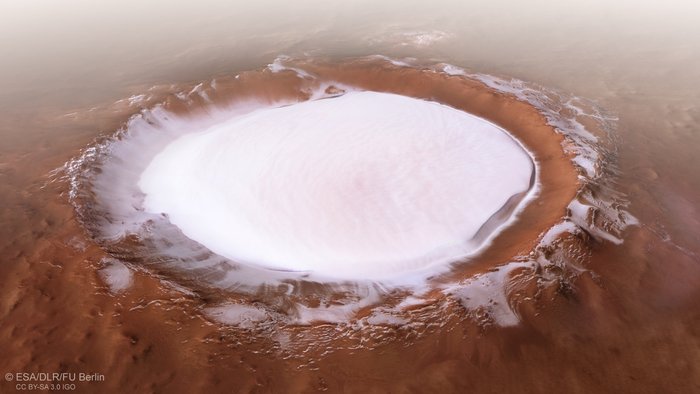
The Mars Express orbiter has taken some stunning photos of Korolev Crater, an ice-filled crater near the Martian north pole. It looks from a distance like a snowy winter landscape on Earth. Mars is famous for its polar ice caps... Continue Reading →
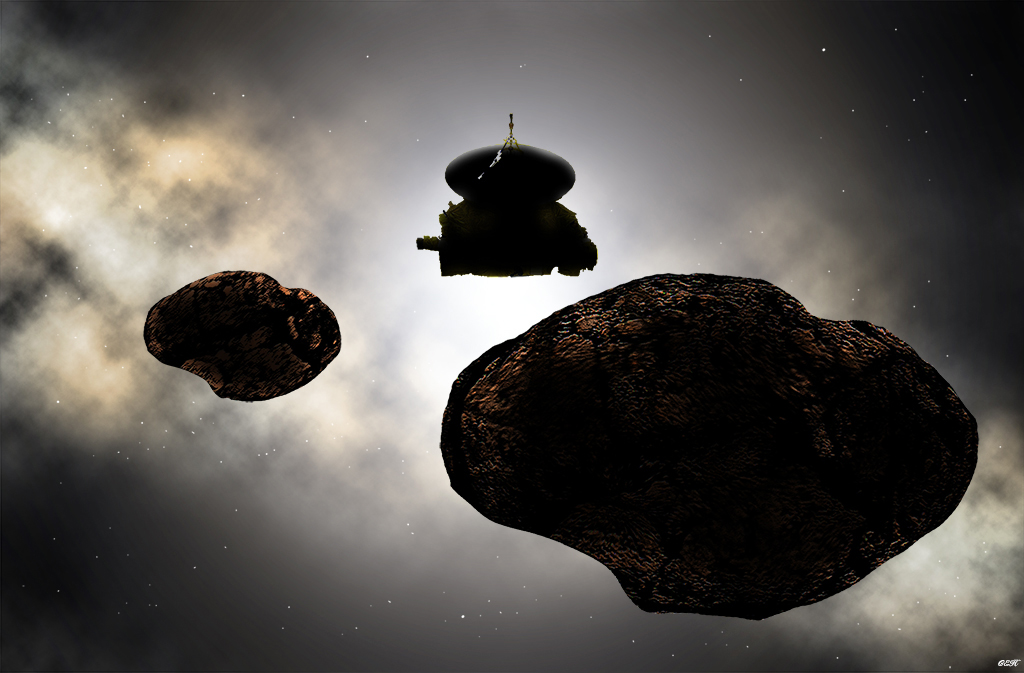
When we celebrate the start of 2019, on January 1 the New Horizons spacecraft will flyby Ultima Thule. A world of the Kuiper belt 6.5 billion kilometers from the Sun, the nickname Ultima Thule (catalog designation 2014 MU69) fittingly means "beyond the known world". Following its 2015 flyby... Continue Reading →

Researchers at the Universities of Zurich and Cambridge have discovered a new, exotic class of planets outside our solar system. These super-Earths were formed at high temperatures close to their host star and contain high quantities of calcium, aluminum and... Continue Reading →
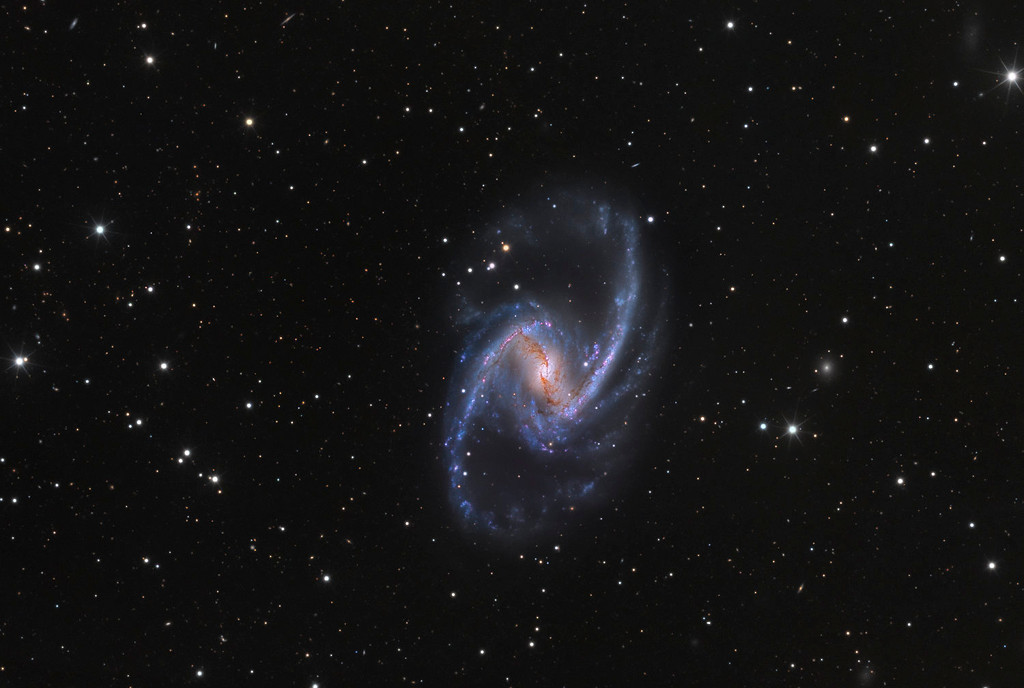
Barred spiral galaxy NGC 1365 is truly a majestic island universe some 200,000 light-years across. Located a mere 60 million light-years away toward the chemical constellation Fornax, NGC 1365 is a dominant member of the well-studied Fornax galaxy cluster. This impressively sharp color image shows intense star forming... Continue Reading →
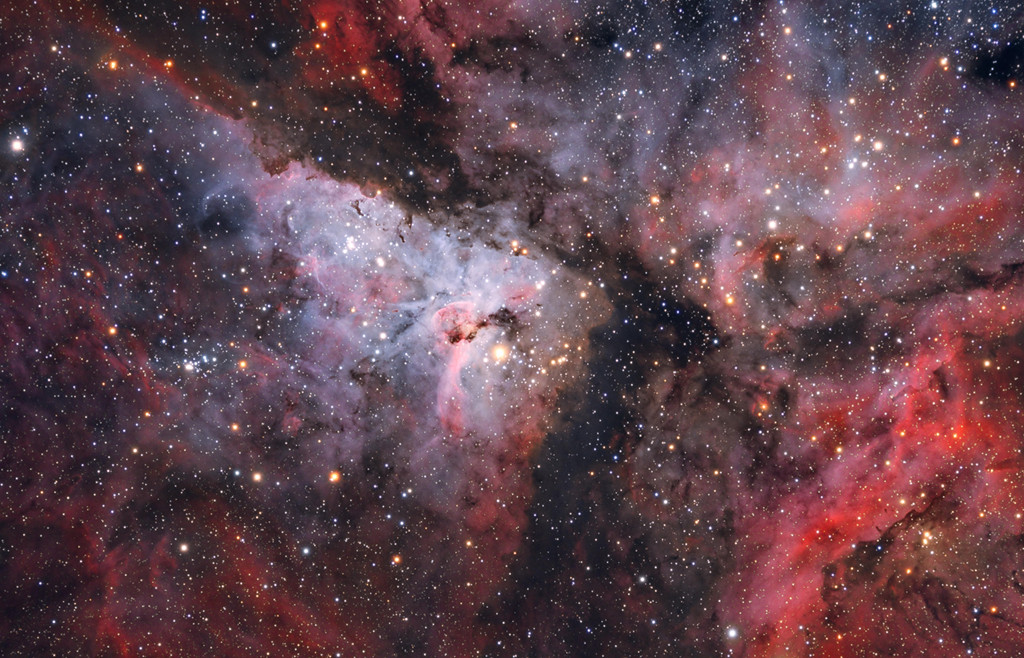
A jewel of the southern sky, the Great Carina Nebula, also known as NGC 3372, spans over 300 light-years, one of our galaxy's largest star forming regions. Like the smaller, more northerly Great Orion Nebula, the Carina Nebula is easily visible to the unaided... Continue Reading →
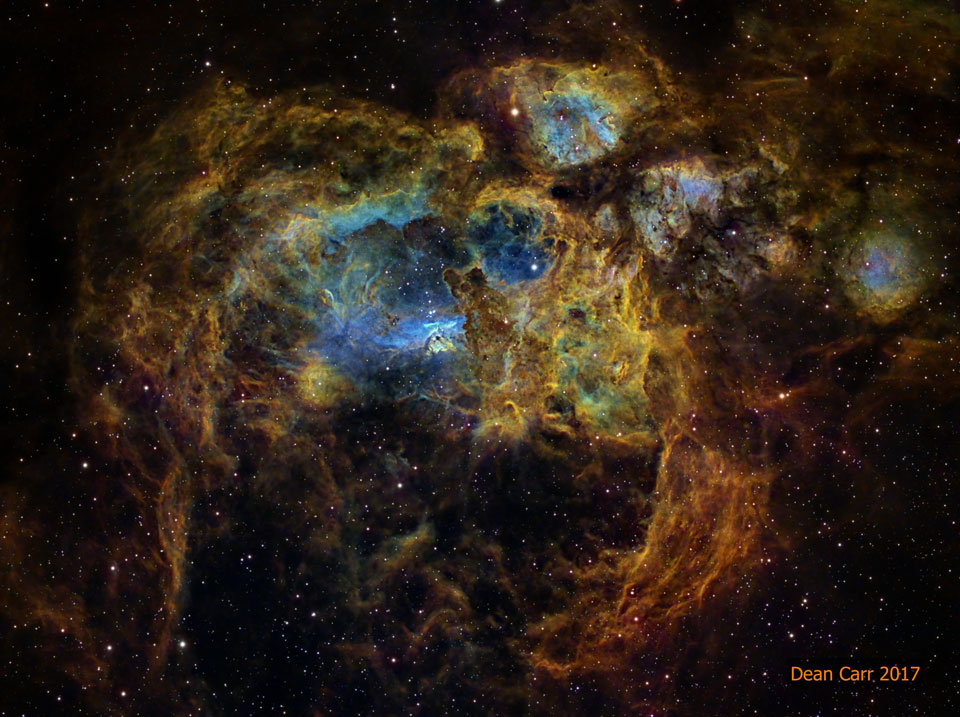
Why is the Lobster Nebula forming some of the most massive stars known? No one is yet sure. Cataloged as NGC 6357, the Lobster Nebula houses the open star cluster Pismis 24 near its center -- a home to unusually bright and massive... Continue Reading →
 Scents of Science