
A colossal, head-on collision between Jupiter and a still-forming planet in the early solar system, about 4.5 billion years ago, could explain surprising readings from NASA's Juno spacecraft, according to a study this week in the journal Nature. Astronomers from Rice... Continue Reading →

The solar system has one less comet. The Solar and Heliospheric Observatory (SOHO) watched a comet dive toward the sun. The dirty snowball went in--but it didn't come back out again. The comet, R.I.P., was a member of the Kreutz... Continue Reading →

If our eyes could see high-energy radiation called gamma rays, the Moon would appear brighter than the Sun! That's how NASA's Fermi Gamma-ray Space Telescope has seen our neighbor in space for the past decade. Gamma-ray observations are not sensitive... Continue Reading →
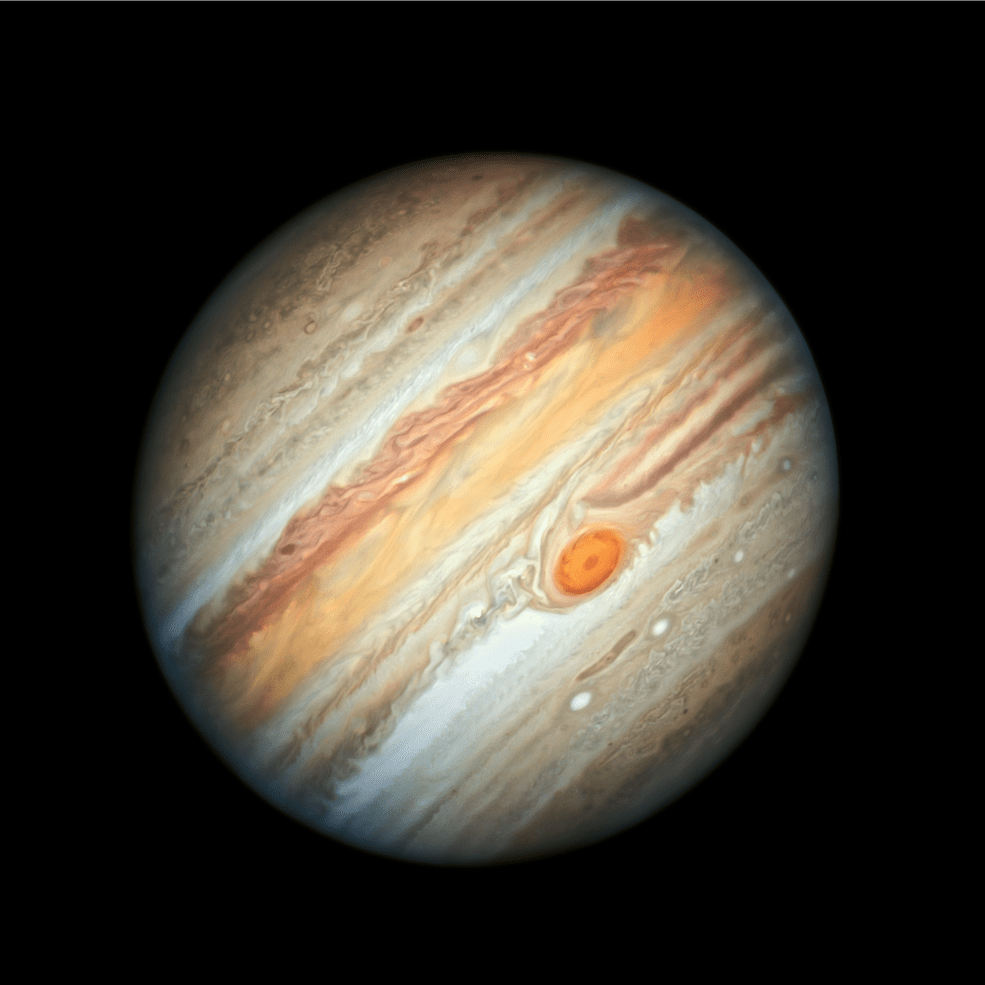
This new Hubble Space Telescope view of Jupiter, taken on June 27, 2019, reveals the giant planet's trademark Great Red Spot, and a more intense color palette in the clouds swirling in Jupiter's turbulent atmosphere than seen in previous years.... Continue Reading →
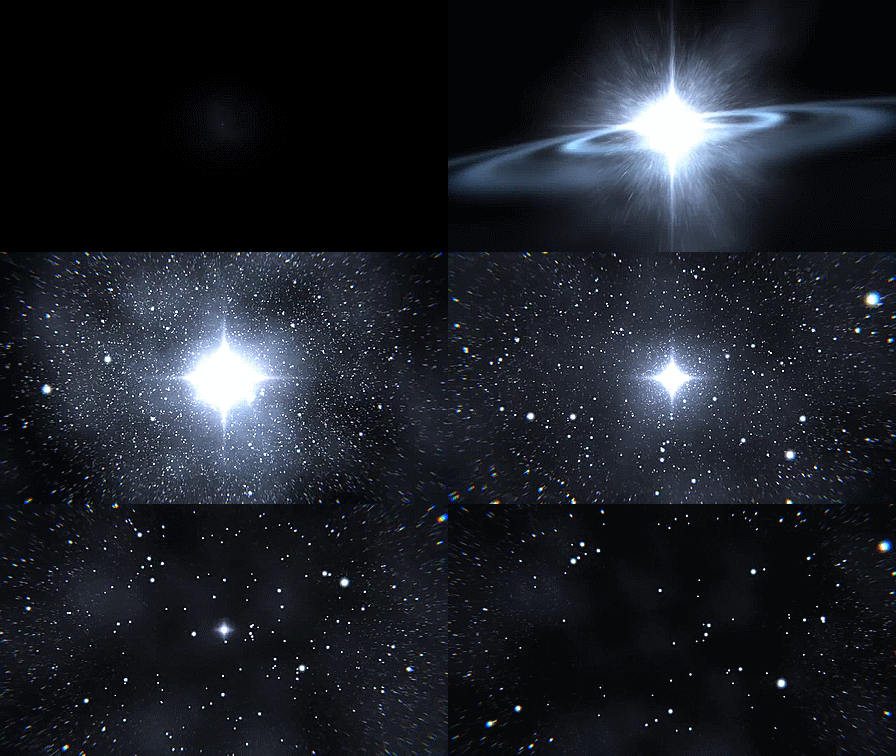
Dark matter, which researchers believe make up about 80% of the universe's mass, is one of the most elusive mysteries in modern physics. What exactly it is and how it came to be is a mystery, but a new Johns... Continue Reading →
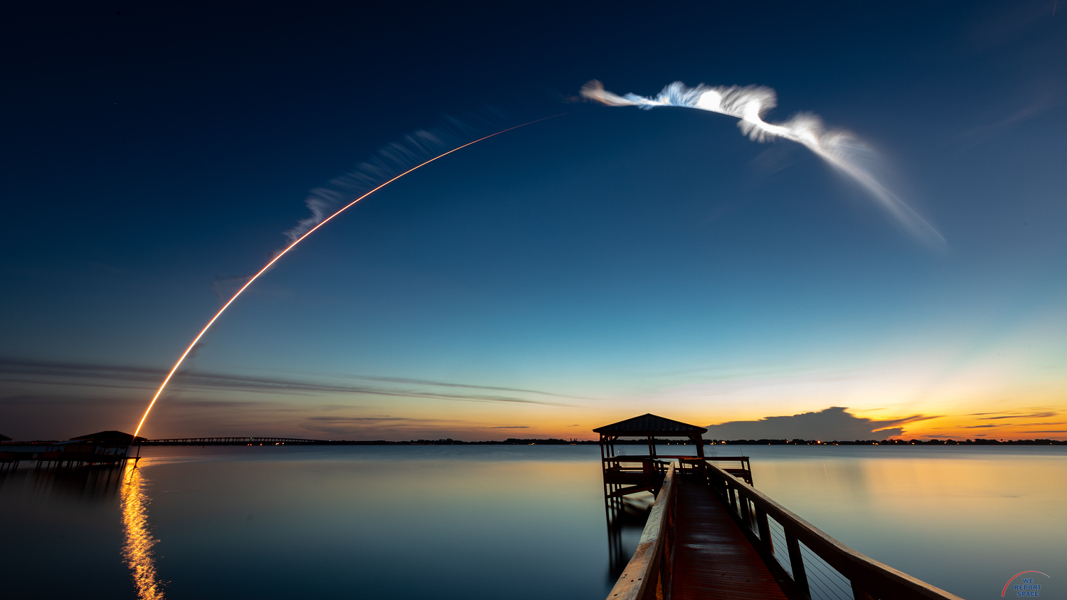
This single, 251-second long exposure follows the early flight of an Atlas V rocket on August 8, streaking eastward toward the dawn from Cape Canaveral Air Force Station, planet Earth. The launch of the United Launch Alliance rocket was at 6:13am local... Continue Reading →

In a room filled with expansive computer screens and blinking lights at NASA’s Johnson Space Centerin Houston, scientists work daily shifts to monitor space weather conditions for astronauts on the space station. Known as space environment officers, they’re the lifeguards of... Continue Reading →
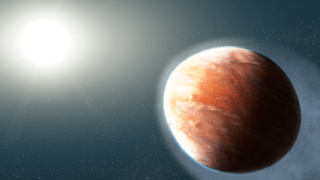
How can a planet be "hotter than hot?" The answer is when heavy metals are detected escaping from the planet's atmosphere, instead of condensing into clouds. Observations by NASA's Hubble Space Telescope reveal magnesium and iron gas streaming from the... Continue Reading →

In brush strokes of interstellar dust and glowing hydrogen gas, this beautiful skyscape is painted across the plane of our Milky Way Galaxy near the northern end of the Great Rift and the constellation Cygnus the Swan. Composed with three different telescopes and about 90 hours... Continue Reading →
 Scents of Science