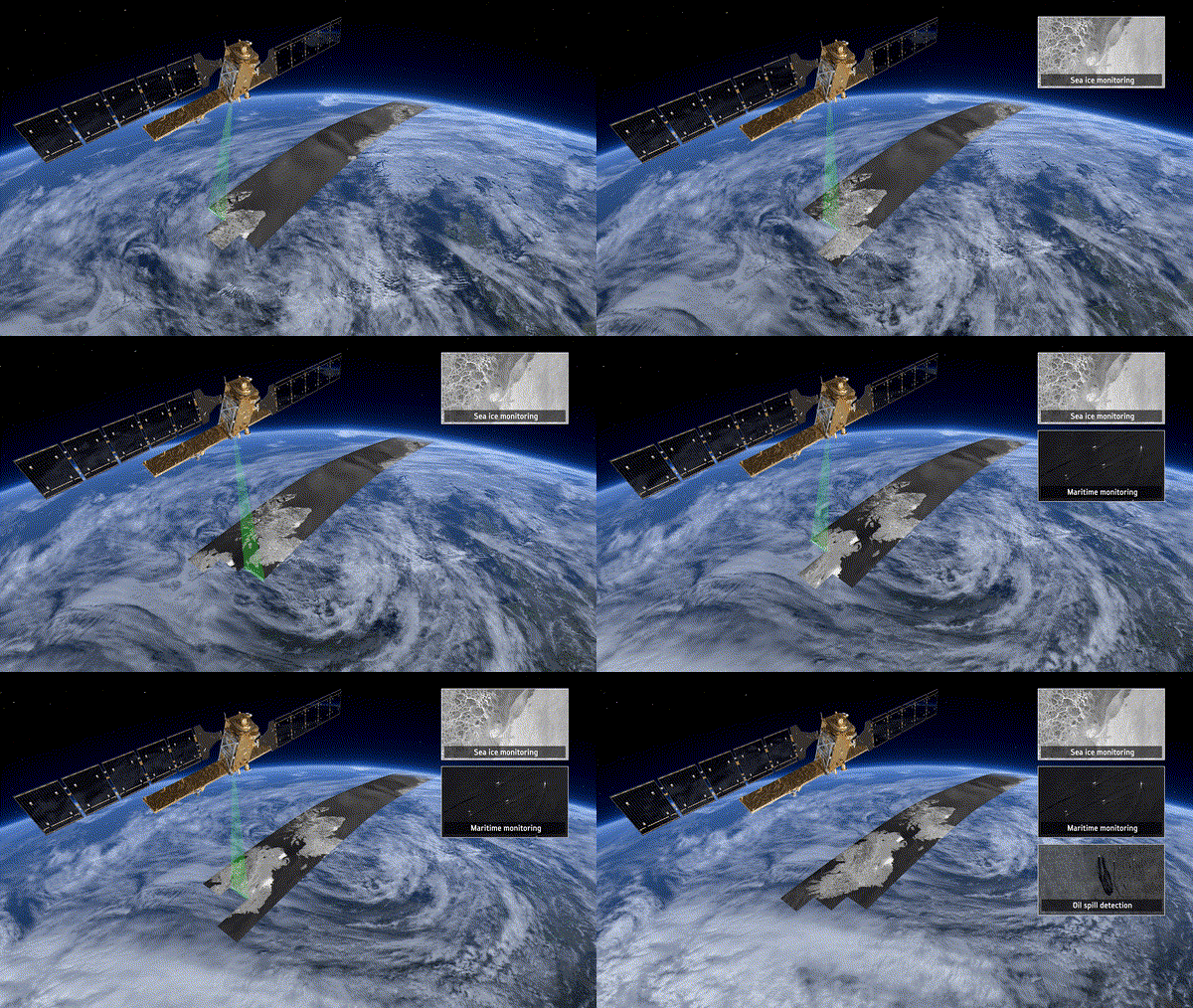
Less than a week after its launch, the Copernicus Sentinel-1C satellite has delivered its first radar images of Earth – offering a glimpse into its capabilities for environmental monitoring. These initial images feature regions of interest, including Svalbard in Norway,... Continue Reading →

NASA’s SLS (Space Launch System) Moon rocket core stage is vertical in High Bay 2 on Tuesday, Dec. 10, 2024, inside the Vehicle Assembly Building at NASA’s Kennedy Space Center in Florida. The core stage arrived on July 23 to... Continue Reading →

It was a night of 100,000 meteors. The Great Meteor Storm of 1833 was perhaps the most impressive meteor event in recent history. Best visible over eastern North America during the pre-dawn hours of November 13, many people -- including a young Abraham Lincoln -- were woken up... Continue Reading →
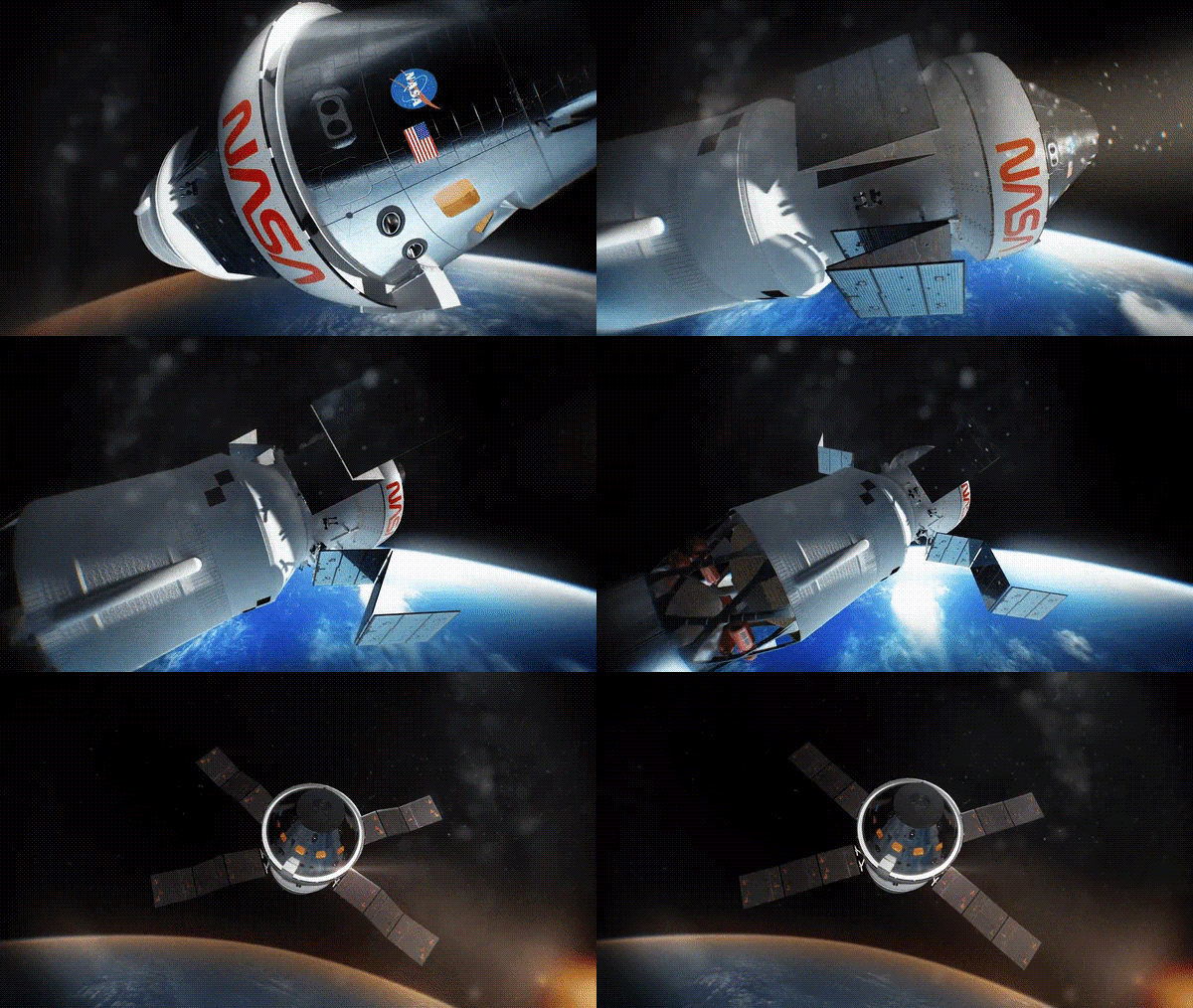
After extensive analysis and testing, NASA has identified the technical cause of unexpected char loss across the Artemis I Orion spacecraft’s heat shield. Engineers determined as Orion was returning from its uncrewed mission around the Moon, gases generated inside the... Continue Reading →

Have you ever seen the Pleiades star cluster? Even if you have, you probably have never seen it as large and clear as this. Perhaps the most famous star cluster on the sky, the bright stars of the Pleiades can be seen... Continue Reading →
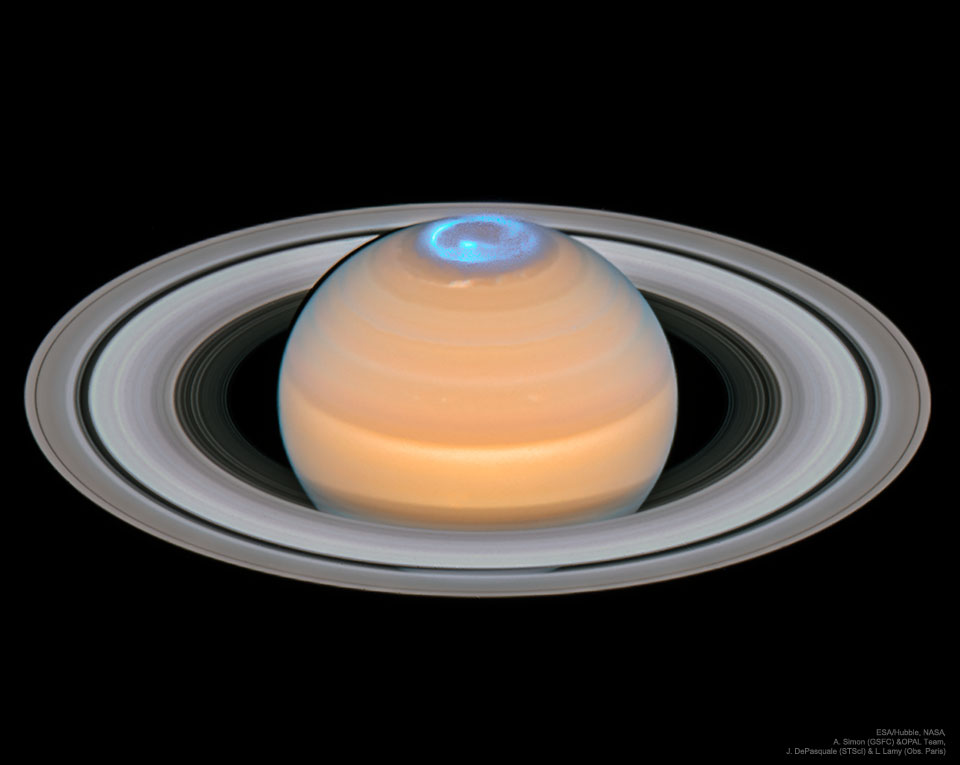
Are Saturn's auroras like Earth's? To help answer this question, the Hubble Space Telescope and the Cassini spacecraft monitored Saturn's North Pole simultaneously during Cassini's final orbits around the gas giant in September 2017. During this time, Saturn's tilt caused its North Pole to be clearly visible from Earth.... Continue Reading →
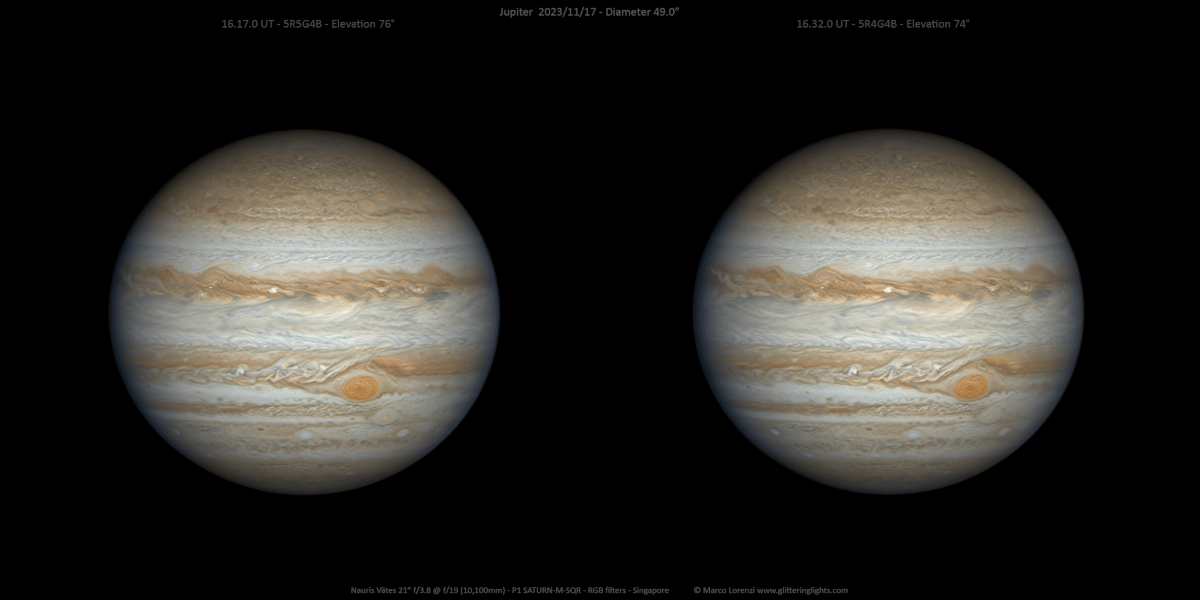
Jupiter looks sharp in these two rooftop telescope images. Both were captured last year on November 17 from Singapore, planet Earth, about two weeks after Jupiter's 2023 opposition. Climbing high in midnight skies the giant planet was a mere 33.4 light-minutes from... Continue Reading →
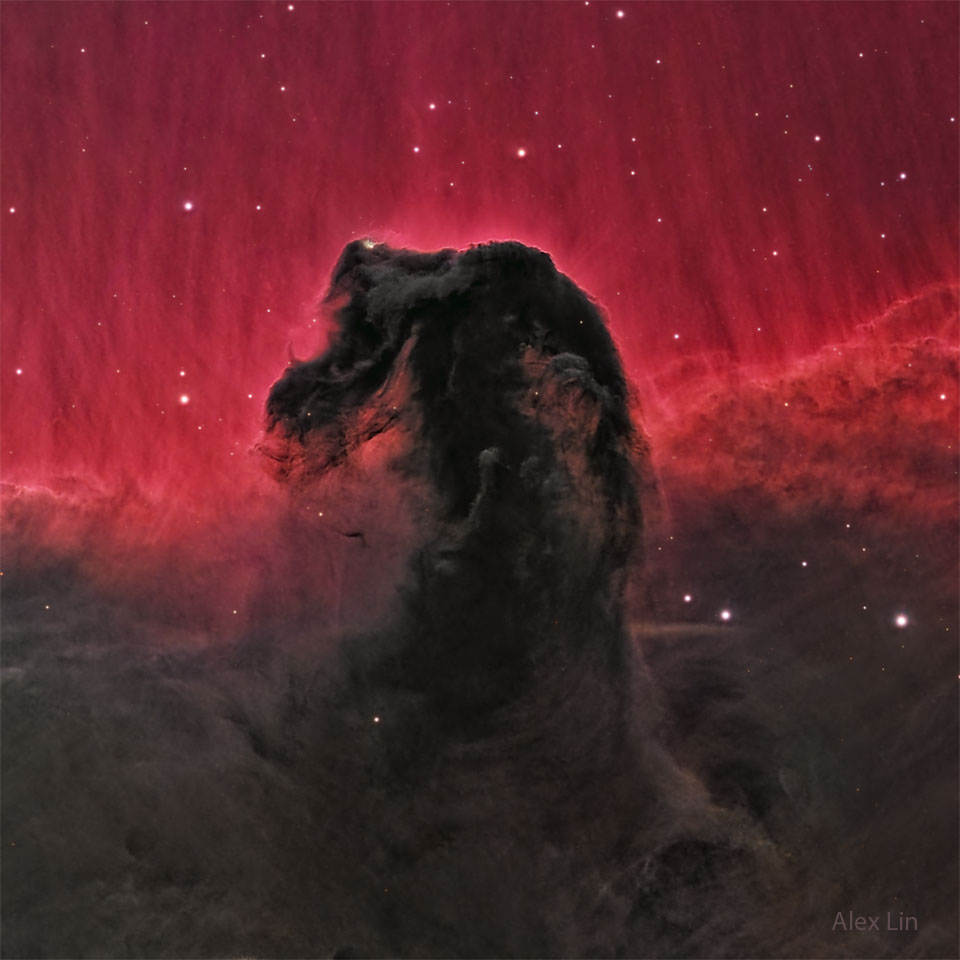
One of the most identifiable nebulas in the sky, the Horsehead Nebula in Orion, is part of a large, dark, molecular cloud. Also known as Barnard 33, the unusual shape was first discovered on a photographic plate in the late 1800s. The red glow originates from hydrogen gas predominantly behind the nebula,... Continue Reading →
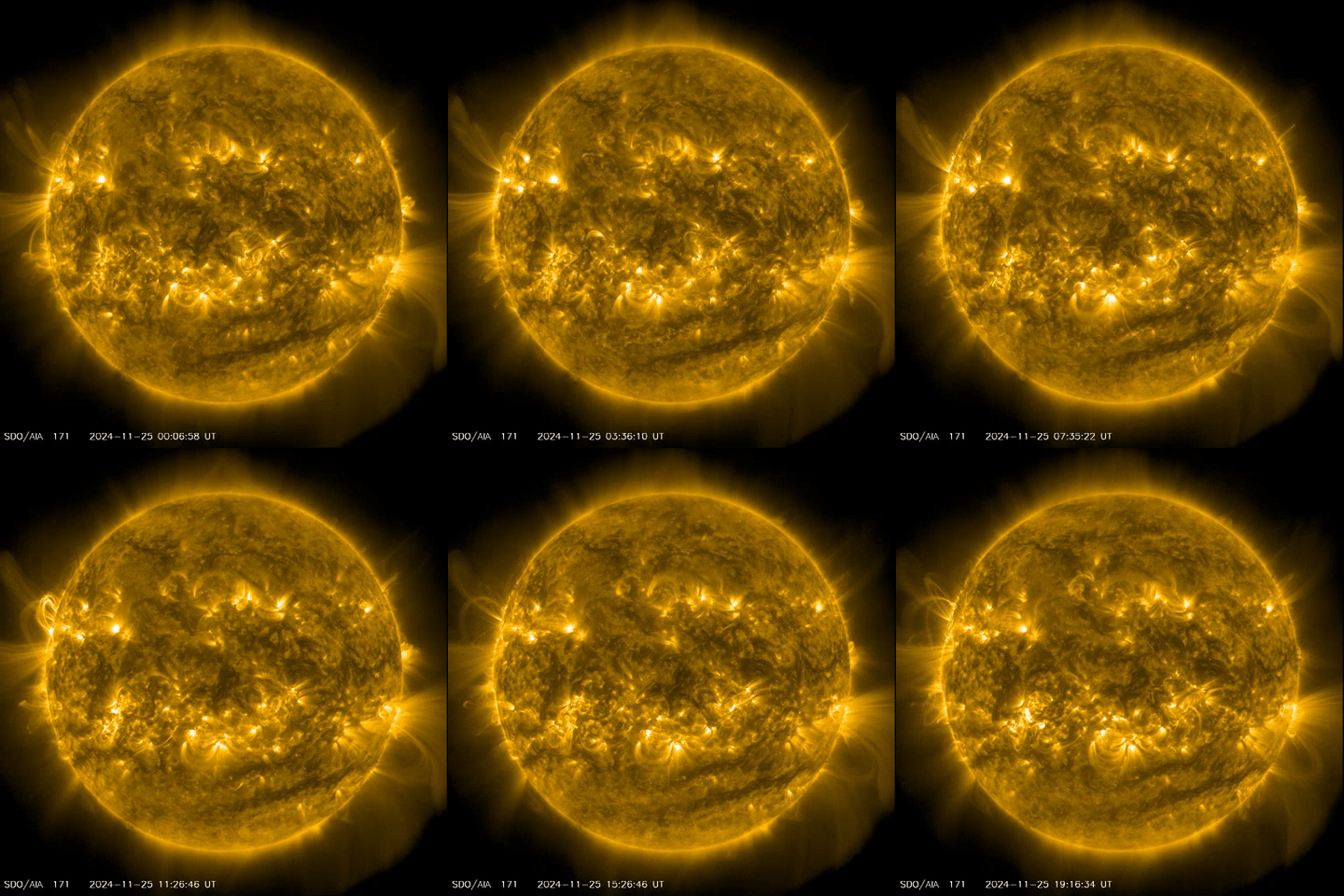
The Sun, our life-sustaining star, is not just a serene orb of light but an immense, dynamic sphere of energy with a profoundly complex magnetic field. Among its many phenomena, solar flares stand out as some of the most dramatic... Continue Reading →
 Scents of Science