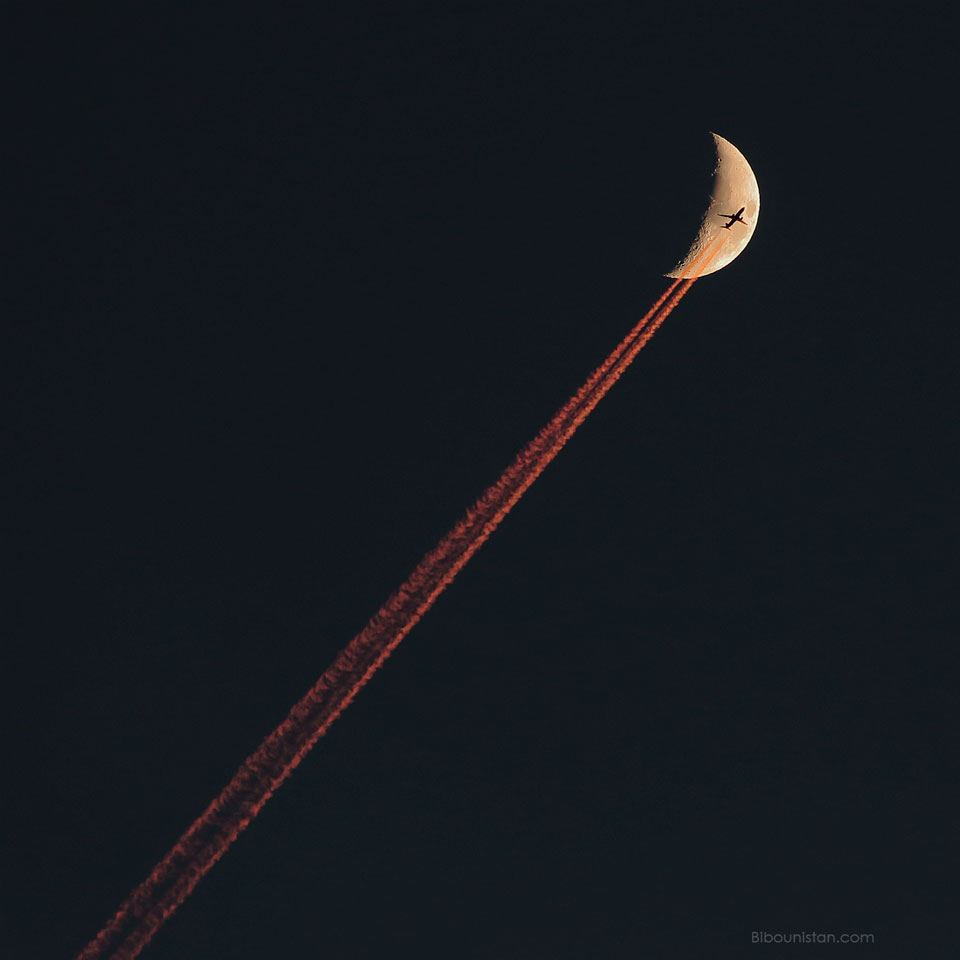
No, this is not a good way to get to the Moon. What is pictured is a chance superposition of an airplane and the Moon. The contrail would normally appear white, but the large volume of air toward the setting Sun preferentially knocks away blue... Continue Reading →

Because air and water are colorless and transparent, we cannot see most of the flows around us – but they’re always there. In a recent series, photographer Jess Bell has been capturing images of jumping dogs trailing a colorful powder... Continue Reading →
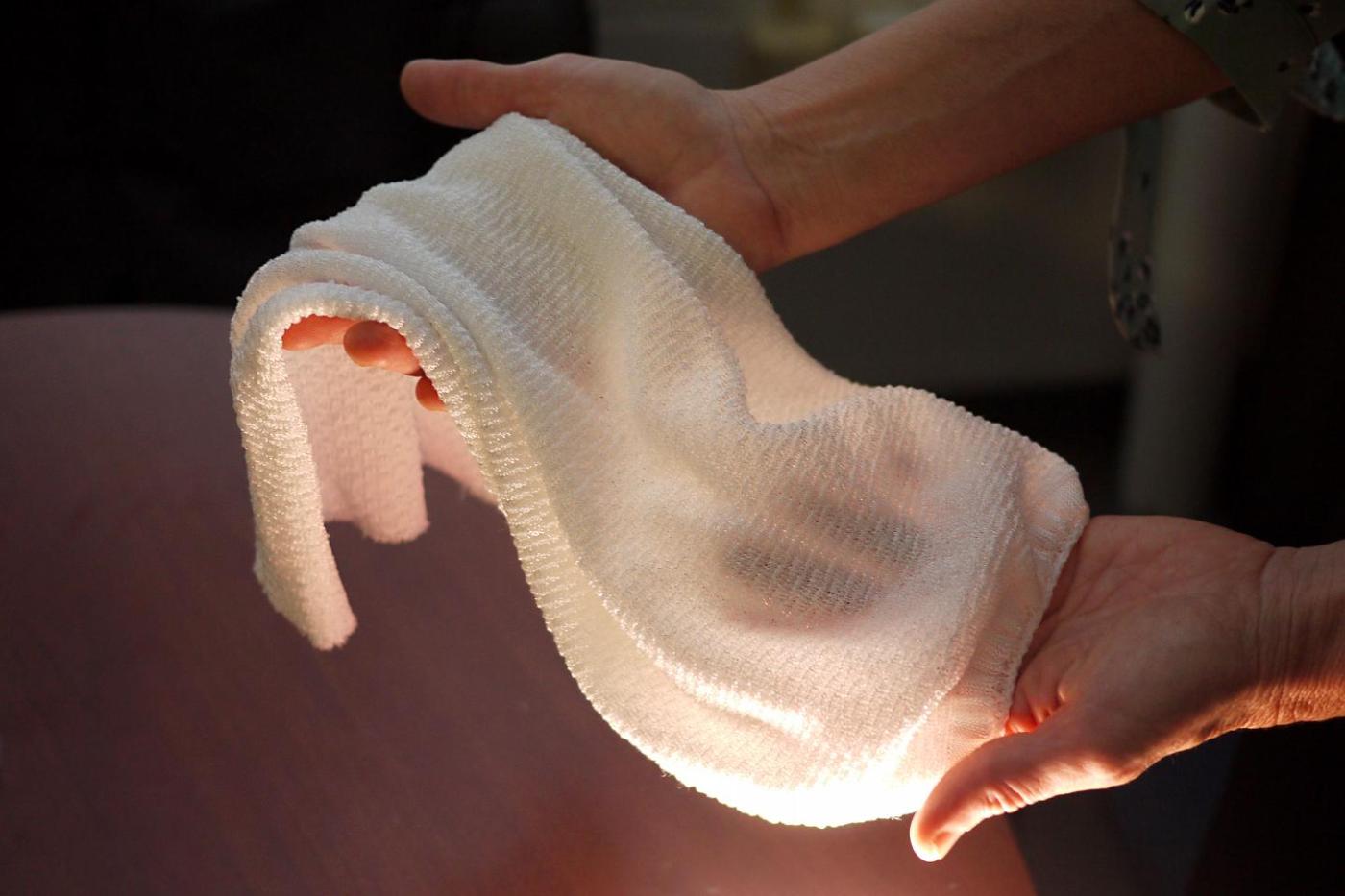
Despite decades of innovation in fabrics with high-tech thermal properties that keep marathon runners cool or alpine hikers warm, there has never been a material that changes its insulating properties in response to the environment. Until now. University of Maryland... Continue Reading →

Clouds of glowing hydrogen gas fill this colorful skyscape in the faint but fanciful constellation Monoceros, the Unicorn. A star forming region cataloged as NGC 2264, the complex jumble of cosmic gas and dust is about 2,700 light-years distant and mixes reddish emission... Continue Reading →
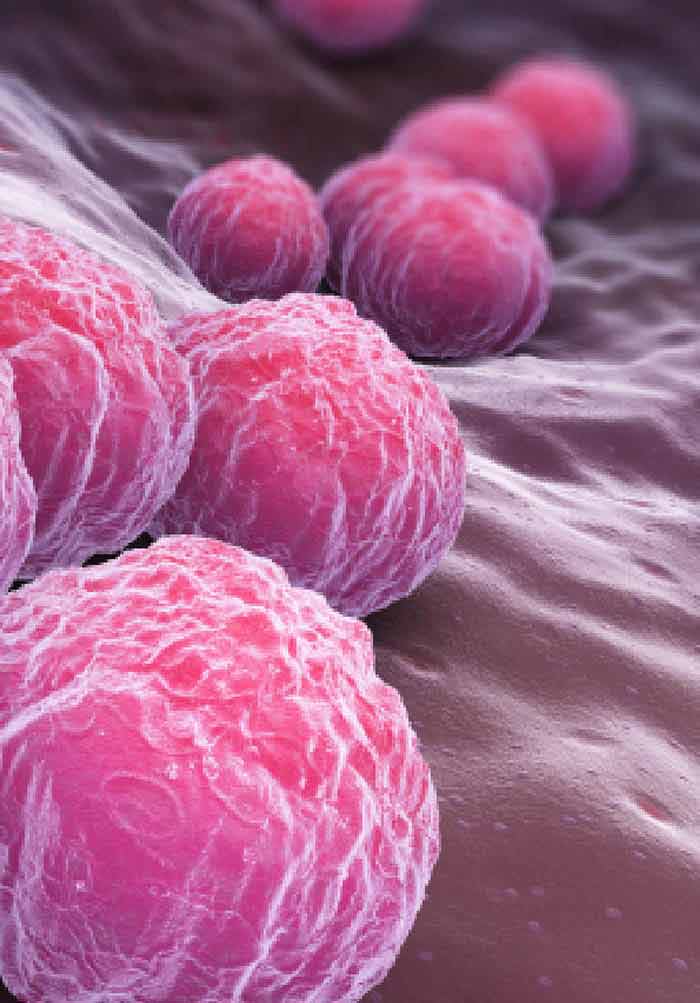
Researchers at the University of Waterloo have developed a new way to prevent and treat Chlamydia, the most common sexually transmitted bacterial infection in the world. The new treatment differs from the traditional anti-biotic treatment as it is a type... Continue Reading →

MYC, a gene with high cancer-initiating potential, is overexpressed in over 40% of breast cancers. While MYC programs breast cancer cells to build more macromolecules (anabolic metabolism) it also creates a metabolic vulnerability by making them more sensitive to a... Continue Reading →
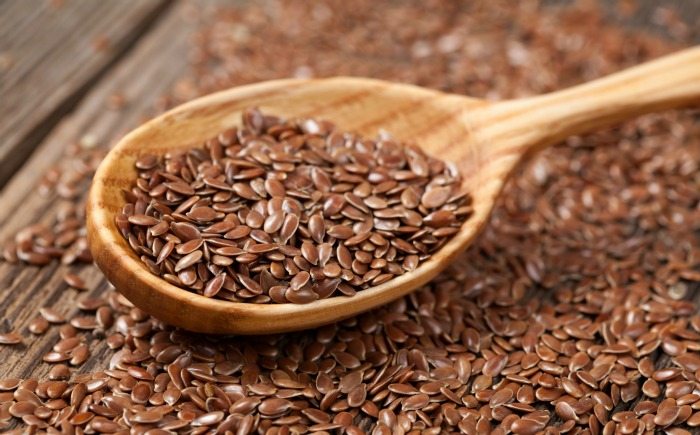
Research in mice suggests that fermentation of flaxseed fibers in the gut changes the microbiota to improve metabolic health and protect against diet-induced obesity. The study, published ahead of print in the American Journal of Physiology--Endocrinology and Metabolism, was chosen as an APSselect article... Continue Reading →

Watch Juno zoom past Jupiter again. NASA's robotic spacecraft Juno is continuing on its 53-day, highly-elongated orbits around our Solar System's largest planet. The featured video is from perijove 16, the sixteenth time that Juno has passed near Jupiter since it arrived in mid-2016. Each perijove passes near a slightly... Continue Reading →
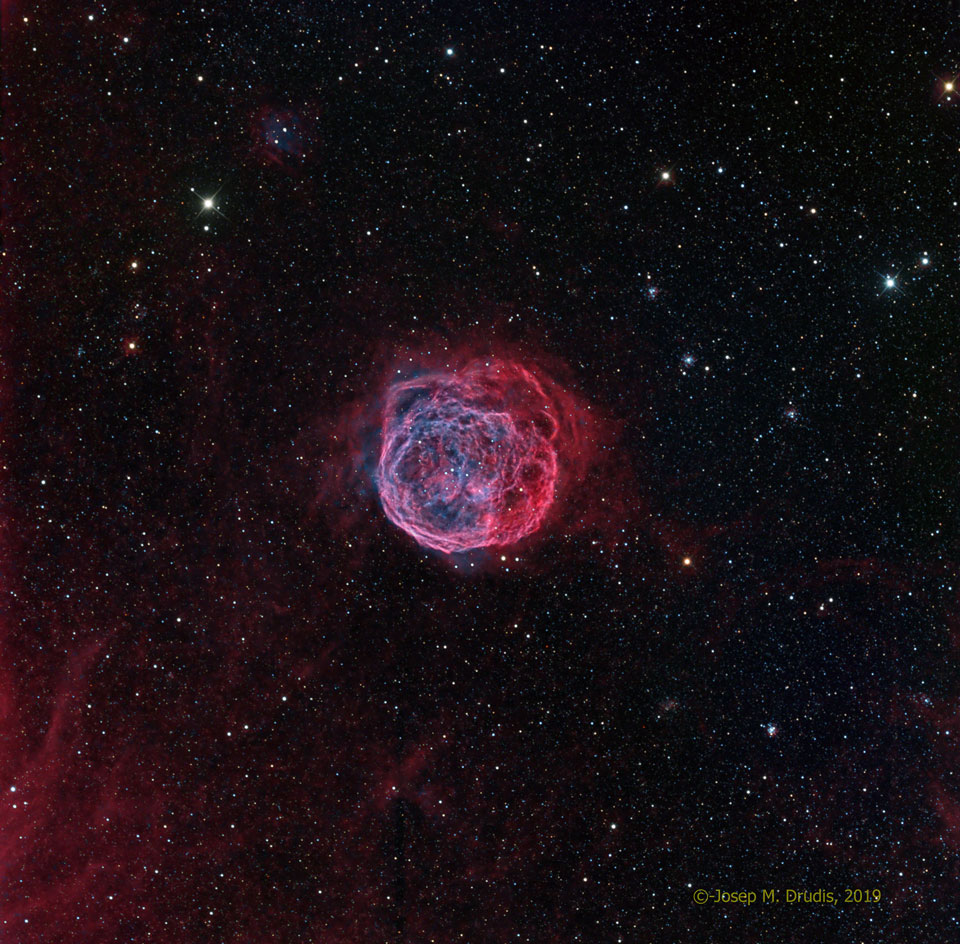
Massive stars profoundly affect their galactic environments. Churning and mixing interstellar clouds of gas and dust, stars -- most notably those upwards of tens of times the mass of our Sun -- leave their mark on the compositions and locations of future generations of... Continue Reading →
 Scents of Science