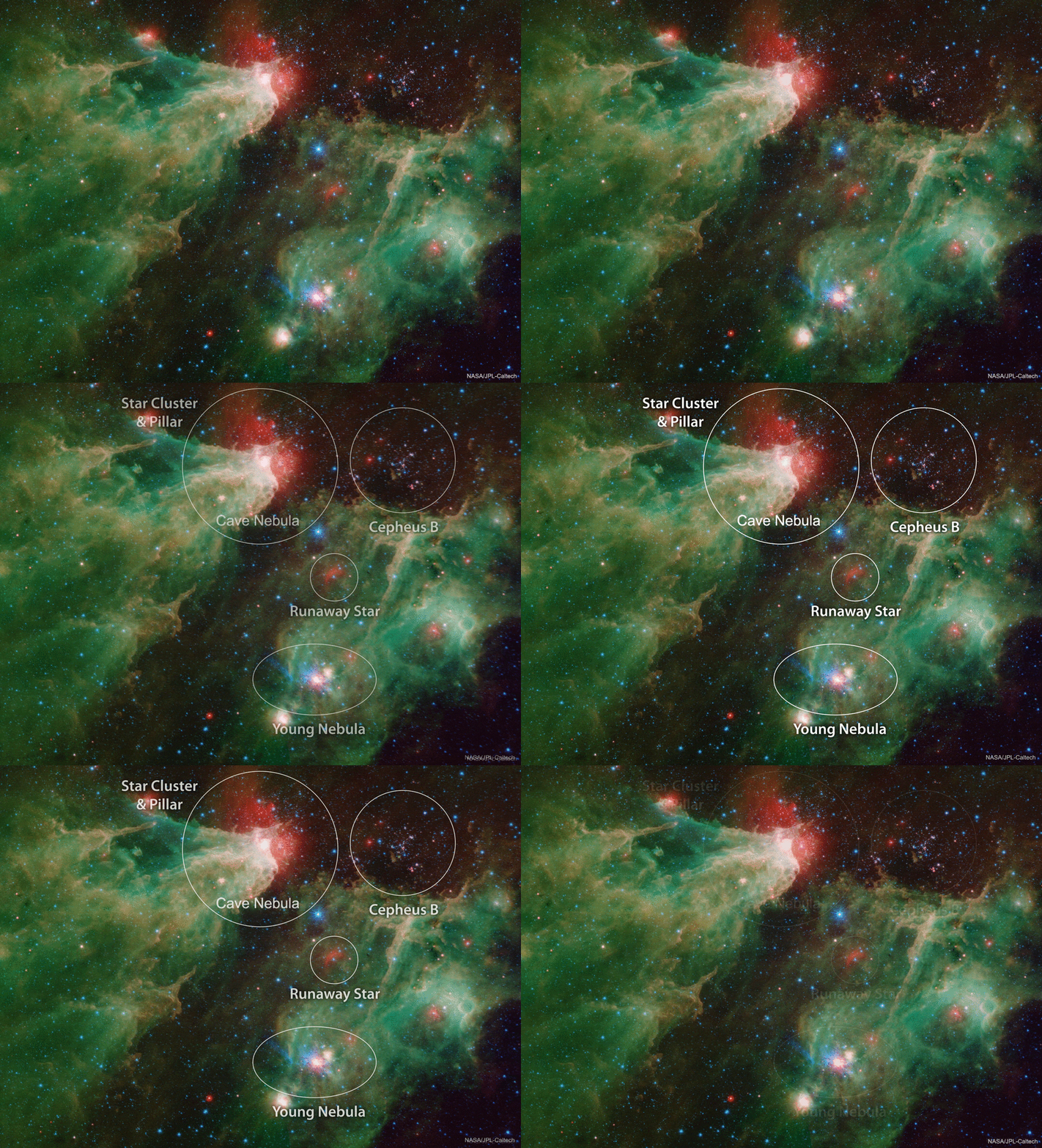
What's happening in and around the Cave Nebula? To help find out, NASA's orbiting Spitzer Space Telescope looked into this optically-dark star-forming region in four colors of infrared light. The Cave Nebula, cataloged as Sh2-155, is quite bright in infrared, revealing details not only of internal pillars of... Continue Reading →

Yale researchers have figured out how to catch and save Schrödinger's famous cat, the symbol of quantum superposition and unpredictability, by anticipating its jumps and acting in real time to save it from proverbial doom. In the process, they overturn... Continue Reading →

It's one of the greatest and longest-running mysteries surrounding, quite literally, our sun -- why is its outer atmosphere hotter than its fiery surface? University of Michigan researchers believe they have the answer, and hope to prove it with help... Continue Reading →

Scientists once thought that neurons, or possibly heart cells, were the oldest cells in the body. Now, Salk Institute researchers have discovered that the mouse brain, liver and pancreas contain populations of cells and proteins with extremely long lifespans --... Continue Reading →

Princeton University researchers have discovered that learned behaviors can be inherited for multiple generations in C. elegans, transmitted from parent to progeny via eggs and sperm cells. The paper detailing this finding, by Rebecca Moore, Rachel Kaletsky and Coleen Murphy, appears... Continue Reading →
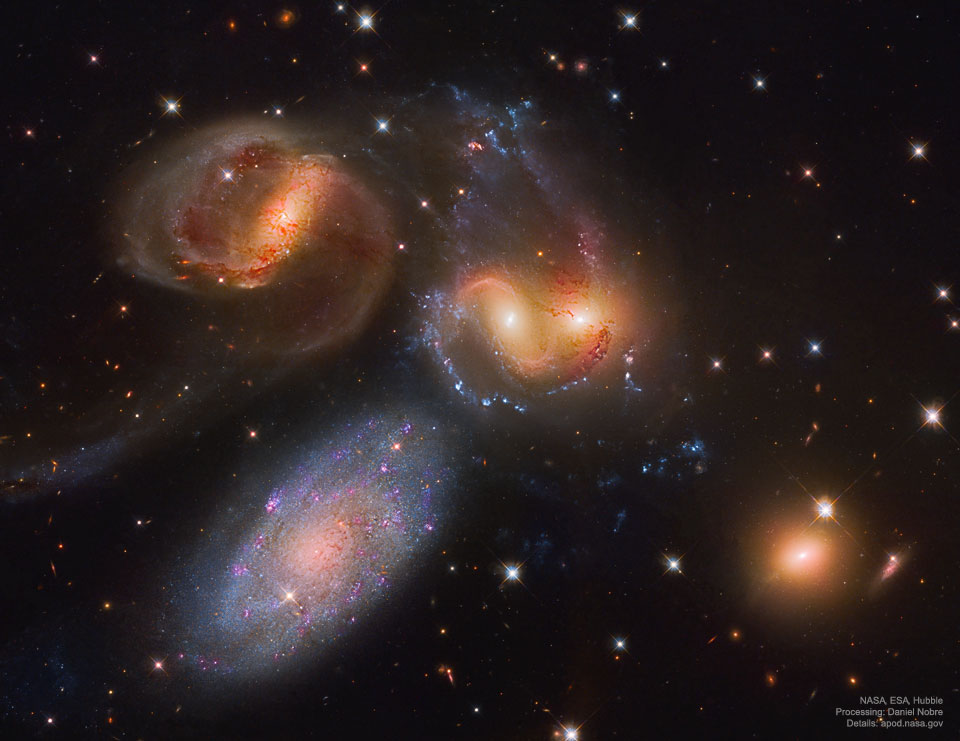
When did these big galaxies first begin to dance? Really only four of the five of Stephan's Quintet are locked in a cosmic tango of repeated close encounters taking place some 300 million light-years away. The odd galaxy out is easy to spot in this... Continue Reading →

Drinking coffee might keep us up at night, but new research has given us a reason to sleep easy knowing that the popular drink isn't as bad for our arteries as some previous studies would suggest. The research from Queen... Continue Reading →

Combining big data with artificial intelligence has allowed University of Copenhagen researchers to determine whether you wrote your assignment or whether a ghostwriter penned it for you -- with nearly 90 percent accuracy. Several studies have shown that cheating on... Continue Reading →
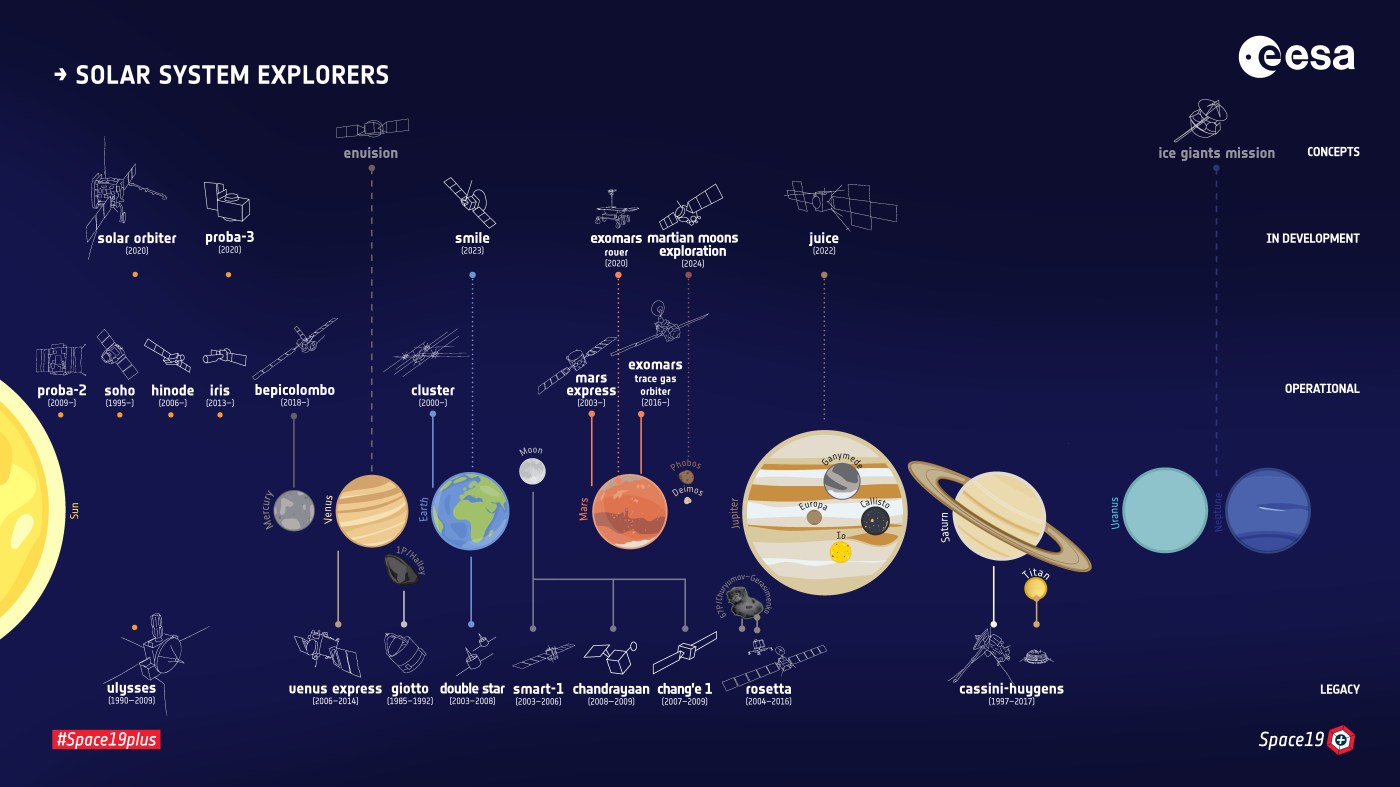
ESA's science missions have been exploring our planetary neighbourhood to tackle the big questions that help to put Earth in context, to understand a planet's interaction with its host star, and to search for habitable worlds. With more and more... Continue Reading →
 Scents of Science