
Prolonged exposure to blue light, such as that which emanates from your phone, computer and household fixtures, could be affecting your longevity, even if it's not shining in your eyes. New research at Oregon State University suggests that the blue... Continue Reading →

More than 200 square meters of our bodies -- including the digestive tract, lungs, and urinary tract -- are lined with mucus. In recent years, scientists have found some evidence that mucus is not just a physical barrier that traps... Continue Reading →
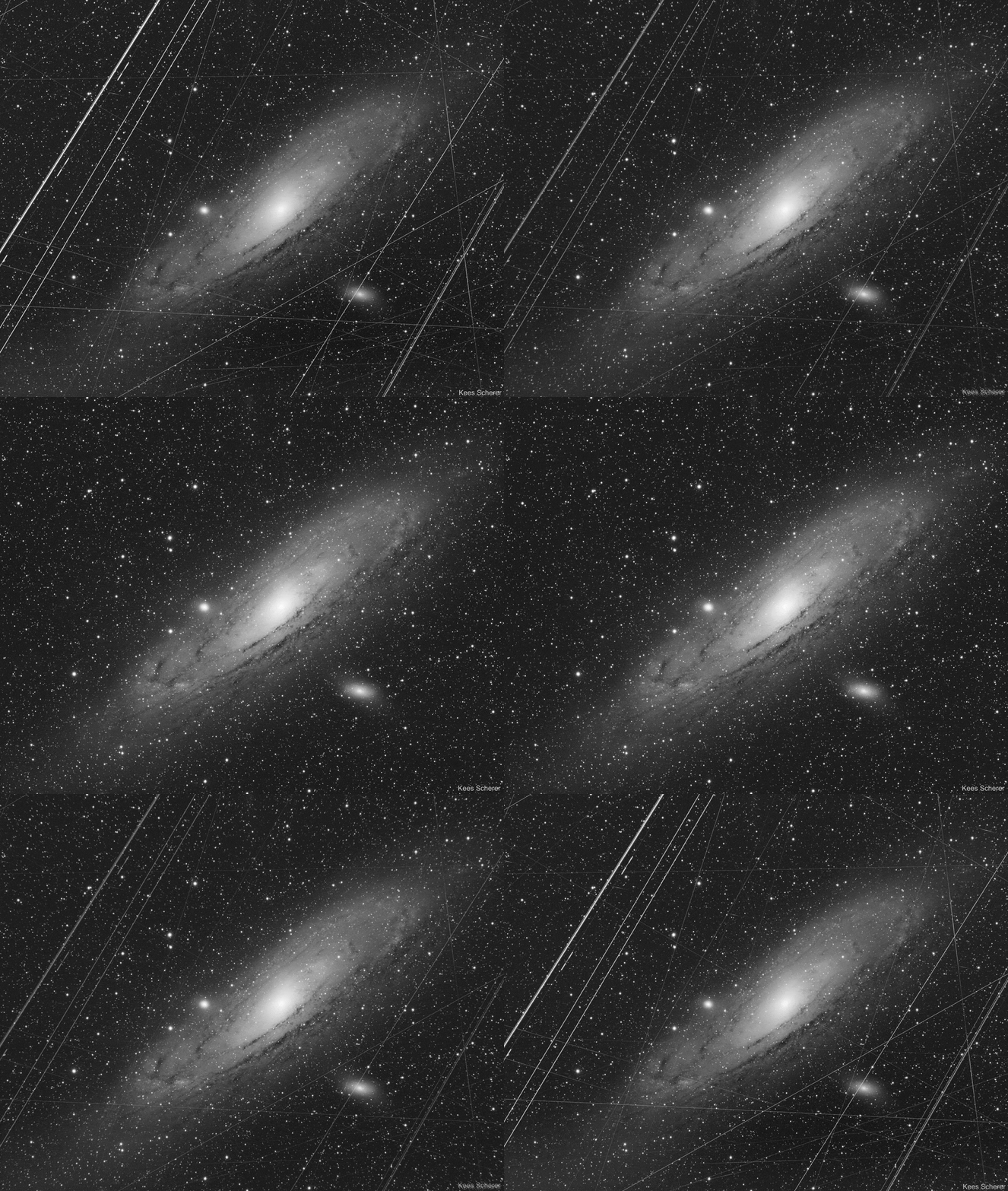
What does the Andromeda galaxy really look like? The featured image shows how our Milky Way Galaxy's closest major galactic neighbor really appears in a long exposure through Earth's busy skies and with a digital camera that introduces normal imperfections. The picture is a... Continue Reading →

An Ontario-led research group has discovered a novel cancer-driving mutation in the vast non-coding regions of the human cancer genome, also known as the "dark matter" of human cancer DNA. The mutation, as described in two related studies published in Nature on... Continue Reading →

Is this galaxy jumping through a giant ring of stars? Probably not. Although the precise dynamics behind the featured image is yet unclear, what is clear is that the pictured galaxy, NGC 7714, has been stretched and distorted by a recent collision with a... Continue Reading →

A team led by Carnegie's Scott S. Sheppard has found 20 new moons orbiting Saturn. This brings the ringed planet's total number of moons to 82, surpassing Jupiter, which has 79. The discovery was announced Monday by the International Astronomical... Continue Reading →
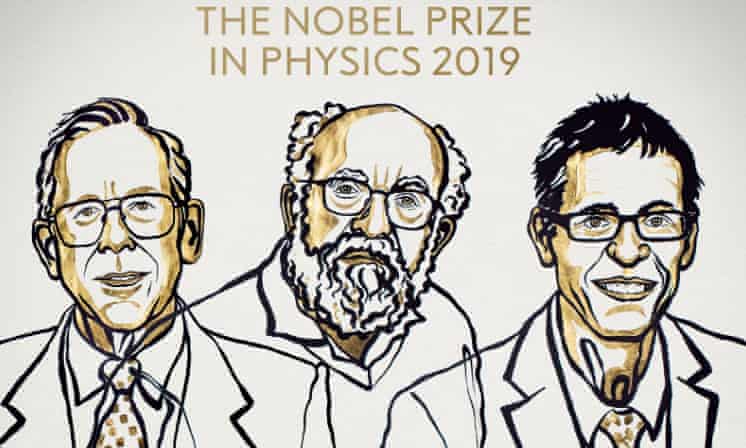
The Nobel Prize in Physics 2019 was awarded "for contributions to our understanding of the evolution of the universe and Earth's place in the cosmos" with one half to James Peebles "for theoretical discoveries in physical cosmology", the other half... Continue Reading →

What's that dark spot on Jupiter? It's the shadow of Jupiter's most volcanic moon Io. Since Jupiter shines predominantly by reflected sunlight, anything that blocks that light leaves a shadow. If you could somehow be in that shadow, you would see a total eclipse... Continue Reading →

In the battle against antibiotic resistance, many scientists have been trying to deploy naturally occurring viruses called bacteriophages that can infect and kill bacteria. Bacteriophages kill bacteria through different mechanisms than antibiotics, and they can target specific strains, making them... Continue Reading →
 Scents of Science