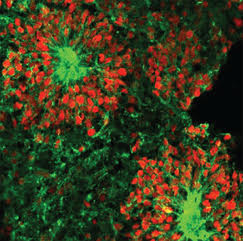
Microgravity is known to alter the muscles, bones, the immune system and cognition, but little is known about its specific impact on the brain. To discover how brain cells respond to microgravity, Scripps Research scientists, in collaboration with the New... Continue Reading →
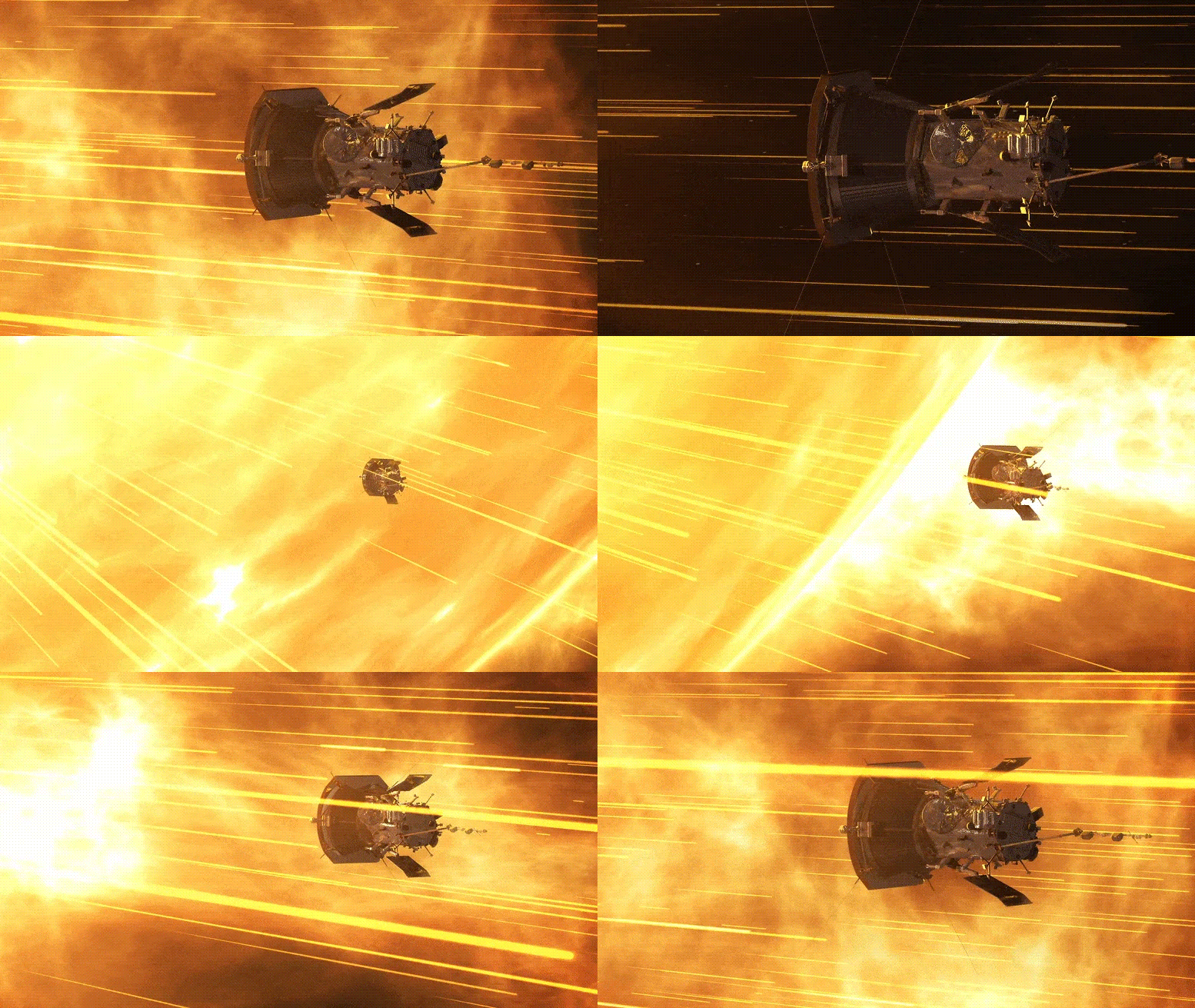
Operations teams have confirmed NASA’s mission to “touch” the Sun survived its record-breaking closest approach to the solar surface on Dec. 24, 2024. Breaking its previous record by flying just 3.8 million miles above the surface of the Sun, NASA’s... Continue Reading →

This kilometer high cliff occurs on the surface of a comet. It was discovered on the dark nucleus of Comet Churyumov - Gerasimenko (CG) by Rosetta, a robotic spacecraft launched by ESA, which orbited the comet from 2014 to 2016. The ragged cliff, as featured here, was imaged... Continue Reading →

Researchers are shining a light on cancer cells’ energy centers – literally – to damage these power sources and trigger widespread cancer cell death. In a new study, scientists combined strategies to deliver energy-disrupting gene therapy using nanoparticles manufactured to... Continue Reading →

New radio astronomy observations of a planetary system in the process of forming show that once the first planets form close to the central star, these planets can help shepherd the material to form new planets farther out. In this... Continue Reading →
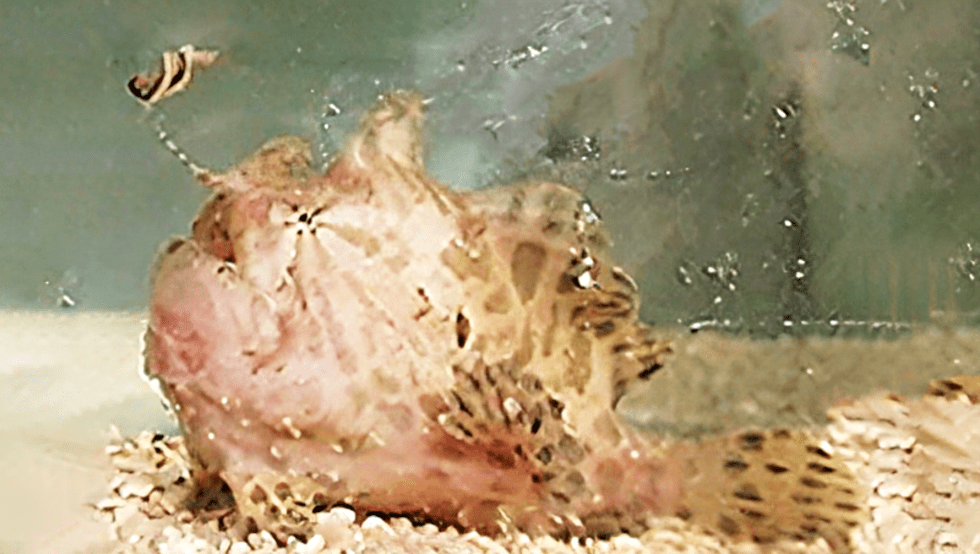
Characterized by their unique adaptations to extreme environments, anglerfish are known for using lures to attract prey. Researchers at Nagoya University in Japan have discovered in frogfish (a subgroup of anglerfish) a specialized motor neuron population in the first dorsal... Continue Reading →

Awkward and angular looking, Apollo 17's lunar module Challenger was designed for flight in the near vacuum of space. Digitally enhanced and reprocessed, this picture taken from Apollo 17's command module America shows Challenger's ascent stage in lunar orbit. Small reaction control thrusters are at... Continue Reading →

Modeling how cars deform in a crash, how spacecraft respond to extreme environments, or how bridges resist stress could be made thousands of times faster thanks to new artificial intelligence that enables personal computers to solve massive math problems that... Continue Reading →

It was a night of 100,000 meteors. The Great Meteor Storm of 1833 was perhaps the most impressive meteor event in recent history. Best visible over eastern North America during the pre-dawn hours of November 13, many people -- including a young Abraham Lincoln -- were woken up... Continue Reading →
 Scents of Science