
We may all be drinking more coffee to help us survive the COVID-19 lockdown. Scientists announce the healthiest way to make a brew. The first study to examine links between coffee brewing methods and risks of heart attacks and death... Continue Reading →
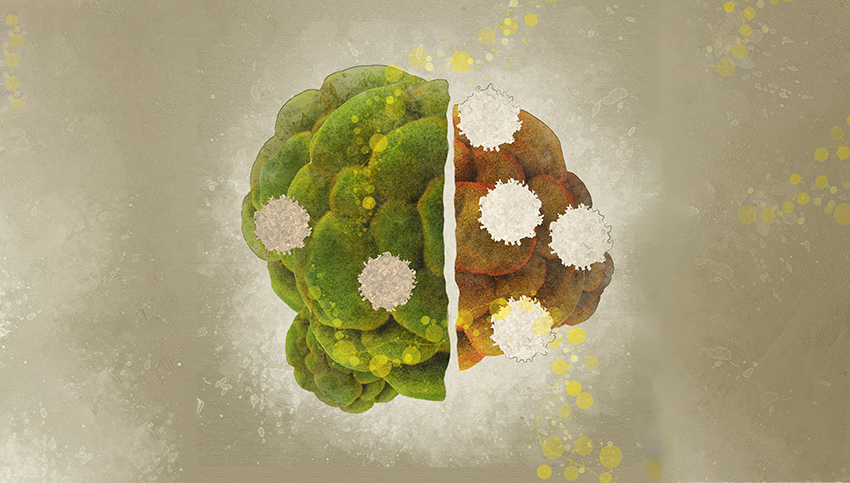
Obesity has been linked to increased risk for over a dozen different types of cancer, as well as worse prognosis and survival. Over the years, scientists have identified obesity-related processes that drive tumor growth, such as metabolic changes and chronic... Continue Reading →

How can you build neuronal networks that are more complex than anything known today? Researchers at the Max Planck Institute for Brain Research in Frankfurt, Germany, have mapped the development of inhibitory neuronal circuitry and report the discovery of distinct... Continue Reading →
Researchers determine how the SARS-CoV-2 virus hijacks and rapidly causes damage to human lung cells

In a multi-group collaborative involving the National Emerging Infectious Disease Laboratories (NEIDL), the Center for Regenerative Medicine (CReM), and the Center for Network Systems Biology (CNSB), scientists have reported the first map of the molecular responses of human lung cells... Continue Reading →

A new study from Tel Aviv University (TAU) and the Shamir Medical Center in Israel indicates that hyperbaric oxygen treatments (HBOT) in healthy aging adults can stop the aging of blood cells and reverse the aging process. In the biological... Continue Reading →
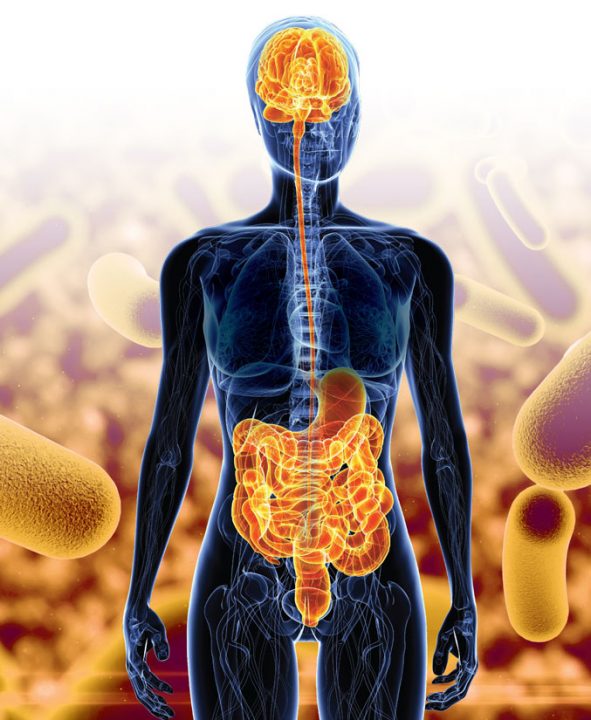
Alzheimer’s disease is the most common cause of dementia. Still incurable, it directly affects nearly one million people in Europe, and indirectly millions of family members as well as society as a whole. In recent years, the scientific community has... Continue Reading →

Surprisingly reminiscent of The Great Nebula in Orion, The Great Turkey Nebula spans this creative field of view. Of course if it were the Orion Nebula it would be our closest large stellar nursery, found at the edge of a large molecular... Continue Reading →

Adults with the healthiest sleep patterns had a 42% lower risk of heart failure regardless of other risk factors compared to adults with unhealthy sleep patterns, according to new research published today in the American Heart Association's flagship journal Circulation. Healthy... Continue Reading →
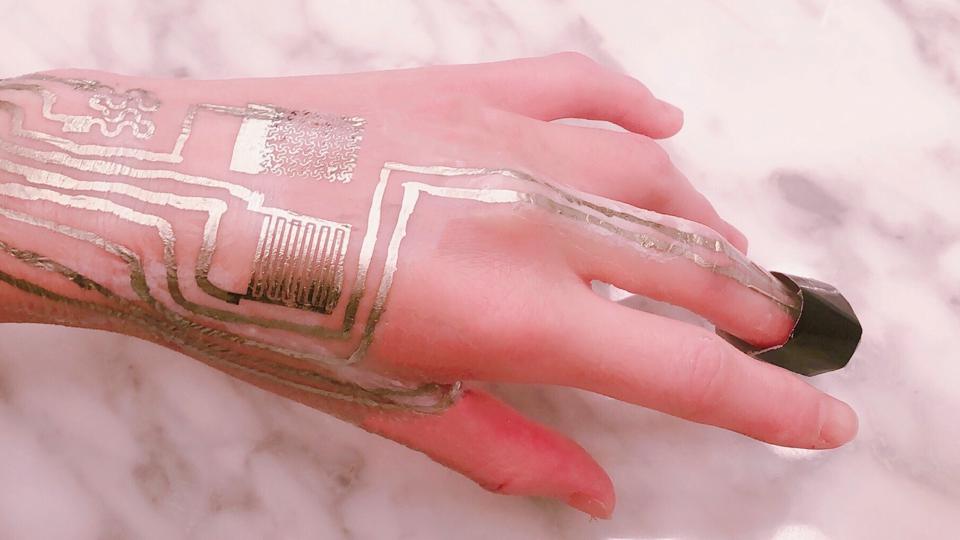
Scientists have developed an innovative technique to print biosensors, which can measure temperature, electrical heart signals and blood oxygen saturation, directly onto the skin at room temperature. This advance, which was developed by US and Chinese researchers and led by... Continue Reading →
 Scents of Science