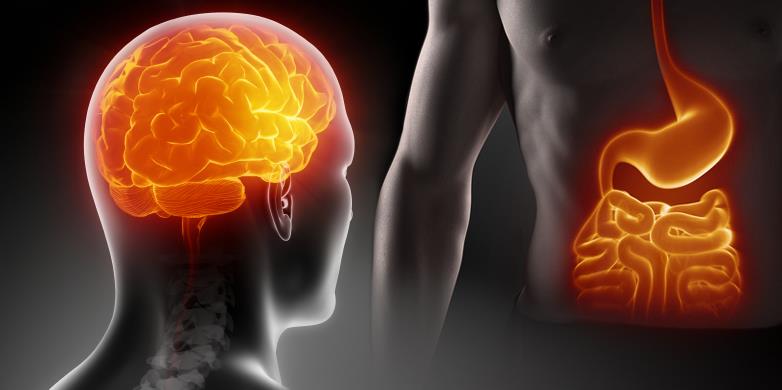
Ask anyone if they remember where they ate the juiciest burger, the sweetest cupcake or the smoothest bisque, and they probably can describe the location in great detail, down to the cross streets, the décor, and the table where they... Continue Reading →

A McLean Hospital scientific team’s comprehensive analysis of recent research into how the brain shapes responses to cognitive and emotional challenges has revealed the potential for new brain treatments for psychiatric conditions that target specific brain circuits. The detailed review,... Continue Reading →

Researchers at Western University have shown that our brains are pre-wired to perceive wrinkles around the eyes as conveying more intense and more sincere emotions. This eye-wrinkle feature, called the Duchenne marker, occurs across multiple facial expressions, including smiles, expressions... Continue Reading →

Can probiotics fend off mood disorders? It’s too early to say with scientific certainty, but a new study by CU Boulder researchers suggests that one particular beneficial bacteria can have long-lasting anti-inflammatory effects on the brain, making it more resilient to the... Continue Reading →

New evidence suggests a mechanism by which progressive accumulation of Tau protein in brain cells may lead to Alzheimer’s disease. Scientists studied more than 600 human brains and fruit fly models of Alzheimer’s disease and found the first evidence of... Continue Reading →

When we speak, we engage nearly 100 muscles, continuously moving our lips, jaw, tongue, and throat to shape our breath into the fluent sequences of sounds that form our words and sentences. A new study by UC San Francisco scientists... Continue Reading →

Yale scientists have identified a possible neurobiological home for the spiritual experience — the sense of connection to something greater than oneself. Activity in the parietal cortex, an area of the brain involved in awareness of self and... Continue Reading →

A good night of sleep entails about eight hours of blissful immobility—a state of near paralysis that, though welcome at night, would be inconvenient during the day. In a paper published in Cell Reports, Rockefeller scientists shed new light on the... Continue Reading →

A new parenting study led by BYU professor Ali Crandall finds that the greater emotional control and problem-solving abilities a mother has, the less likely her children will develop behavioral problems, such as throwing tantrums or fighting. The study also... Continue Reading →
 Scents of Science