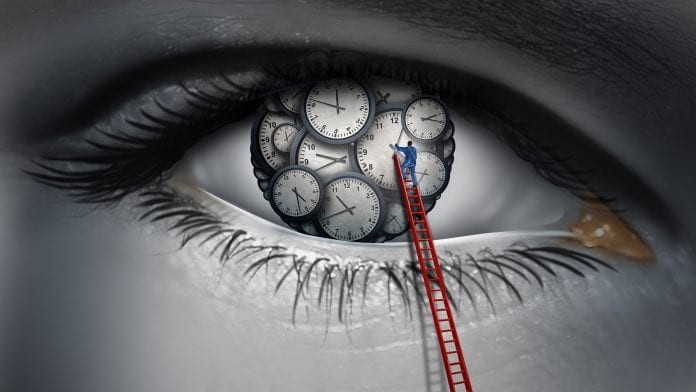
Can your liver sense when you're staring at a television screen or cellphone late at night? Apparently so, and when such activity is detected, the organ can throw your circadian rhythms out of whack, leaving you more susceptible to health... Continue Reading →
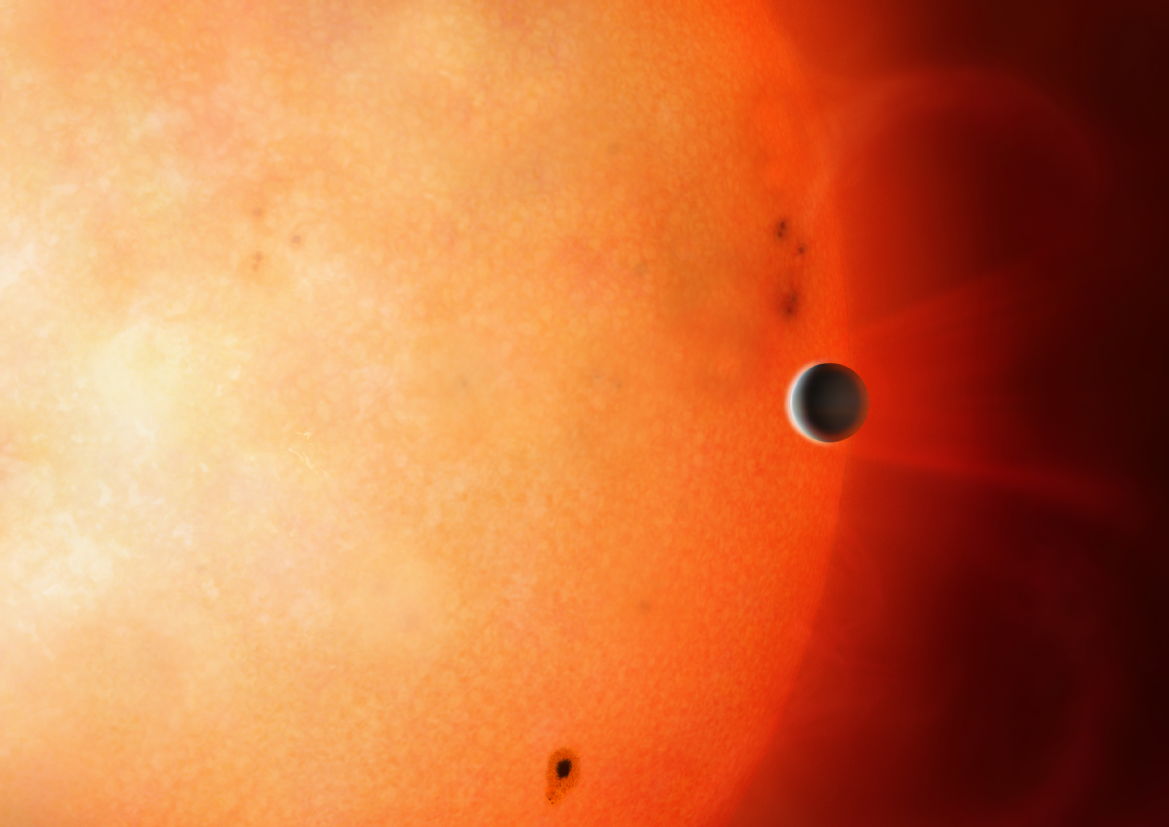
A Neptunian planet has been found in what should be a 'Neptunian Desert' by telescopes run by the University of Warwick in an international collaboration of astronomers.NGTS-4b is 20% smaller than Neptune, about 3 times the size of Earth, and... Continue Reading →

The early-stage research, led by scientists from Imperial College London and The Institute of Cancer Research, London, identified a genetic 'switch' in breast cancer cells that boosts the production of a type of internal scaffolding. This scaffolding is a type... Continue Reading →

Research from Washington State University could provide government regulators with powerful new tools for addressing a bevy of commercial claims and other concerns as non-medical marijuana, hemp and CBD products become more commonplace. The new analysis of the genetic and... Continue Reading →

African mole-rats are insensitive to many different kinds of pain. As an international research team led by the MDC's Gary Lewin reports in Science, this characteristic has even allowed mole-rats to populate new habitats. Thanks to a genetic change, the highveld... Continue Reading →

What if scientists could manipulate your brain so that a traumatic memory lost its emotional power over your psyche? Steve Ramirez, a Boston University neuroscientist fascinated by memory, believes that a small structure in the brain could hold the keys... Continue Reading →

A gassy insulating layer beneath the icy surfaces of distant celestial objects could mean there are more oceans in the universe than previously thought. Computer simulations provide compelling evidence that an insulating layer of gas hydrates could keep a subsurface... Continue Reading →

The Moon is shrinking as its interior cools, getting more than about 150 feet (50 meters) skinnier over the last several hundred million years. Just as a grape wrinkles as it shrinks down to a raisin, the Moon gets wrinkles... Continue Reading →

Researchers at York University's Faculty of Health say those who have a history of an eating disorder, obsessive-compulsive traits, dieting, poor body image, and a drive for thinness are more likely to develop a pathological obsession with healthy eating or... Continue Reading →
 Scents of Science