
A molecular "trick" that kept our ancient ancestors from starving may now be contributing to the obesity epidemic, a new study finds. In starvation times, researchers say, animals were more likely to survive if they could hoard and stretch out... Continue Reading →

Low doses of radiation equivalent to three CT scans, which are considered safe, give cancer-capable cells a competitive advantage over normal cells in healthy tissue, scientists have discovered. Researchers at the Wellcome Sanger Institute and the University of Cambridge studied... Continue Reading →
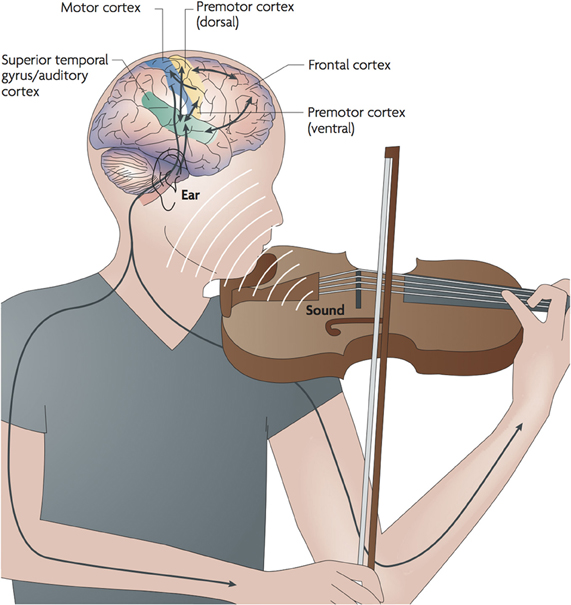
In the eternal search for understanding what makes us human, scientists found that our brains are more sensitive to pitch, the harmonic sounds we hear when listening to music, than our evolutionary relative the macaque monkey. The study, funded in... Continue Reading →
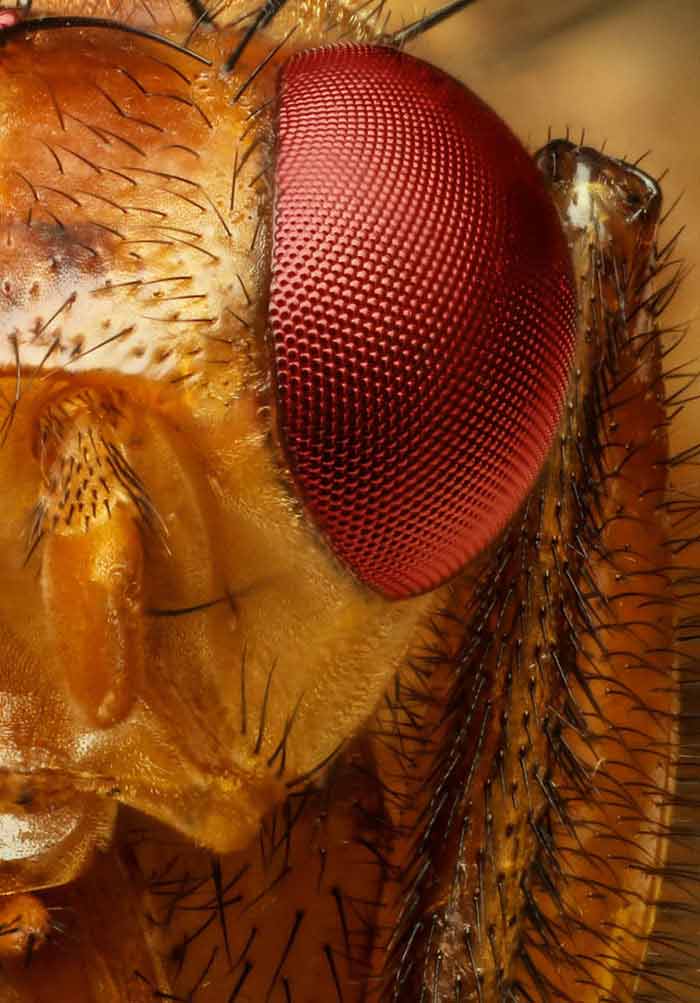
Scientists have known insects experience something like pain since 2003, but new research published today from Associate Professor Greg Neely and colleagues at the University of Sydney proves for the first time that insects also experience chronic pain that lasts... Continue Reading →

Within the next 80 years, the world's population is expected to top 11 billion, creating a rise in global food demand -- and presenting an unavoidable challenge to food production and distribution. But a new article published in Nature Sustainability describes how... Continue Reading →

UNC School of Medicine scientists unveiled how a particular gene helps organize the scaffolding of brain cells called radial progenitors necessary for the orderly formation of the brain. Previous studies have shown that this gene is mutated in some people... Continue Reading →
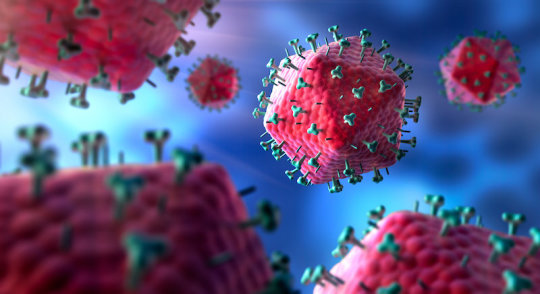
In a major collaborative effort, researchers at the Lewis Katz School of Medicine at Temple University and the University of Nebraska Medical Center (UNMC) have for the first time eliminated replication-competent HIV-1 DNA -- the virus responsible for AIDS --... Continue Reading →

Telepathic communication might be one step closer to reality thanks to new research from the University of Washington. A team created a method that allows three people to work together to solve a problem using only their minds. In BrainNet,... Continue Reading →

Machine enhanced humans -- or cyborgs as they are known in science fiction -- could be one step closer to becoming a reality, thanks to new research Lieber Group at Harvard University, as well as scientists from University of Surrey... Continue Reading →
 Scents of Science