
More than 200 square meters of our bodies -- including the digestive tract, lungs, and urinary tract -- are lined with mucus. In recent years, scientists have found some evidence that mucus is not just a physical barrier that traps... Continue Reading →

Afflicting more than one billion adults worldwide, migraine is the third most prevalent illness in the world. In addition to severe headache, symptoms of migraine can include nausea, changes in mood, sensitivity to light and sound, as well as visual... Continue Reading →

In the battle against antibiotic resistance, many scientists have been trying to deploy naturally occurring viruses called bacteriophages that can infect and kill bacteria. Bacteriophages kill bacteria through different mechanisms than antibiotics, and they can target specific strains, making them... Continue Reading →
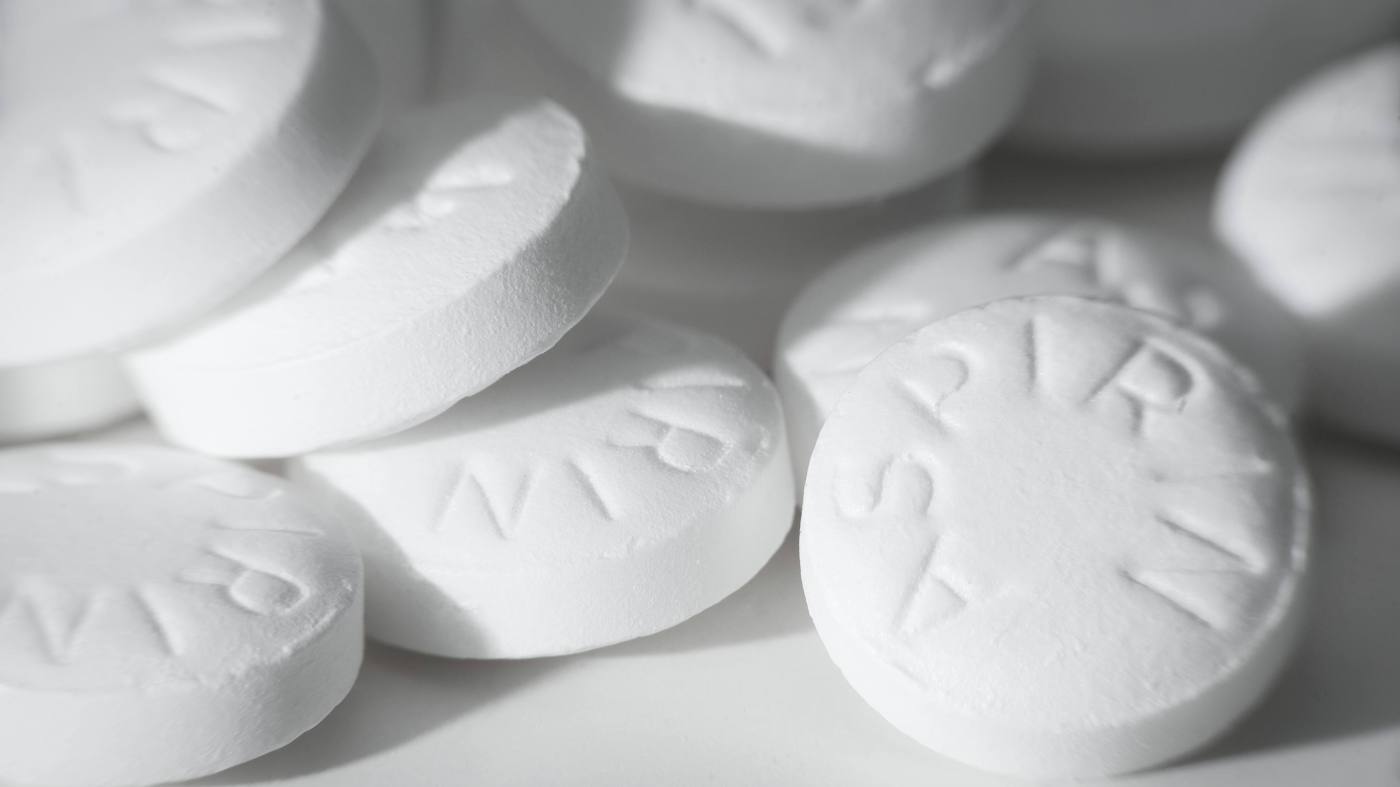
A new study is the first to report evidence that nonsteroidal anti-inflammatory drugs (NSAIDs) like aspirin may lessen the adverse effects of air pollution exposure on lung function. The team of researchers from the Columbia Mailman School of Public Health,... Continue Reading →

Why do the harsh sounds emitted by alarms or human shrieks grab our attention? What is going on in the brain when it detects these frequencies? Neuroscientists from the University of Geneva (UNIGE) and Geneva University Hospitals (HUG), Switzerland, have... Continue Reading →

Researchers have solved the three-dimensional structure of a protein complex involved in vertebrate vision at atomic resolution, a finding that has broad implications for our understanding of biological signaling processes and the design of over a third of the drugs... Continue Reading →

Giant molecules can be in two places at once, thanks to quantum physics. That's something that scientists have long known is theoretically true based on a few facts: Every particle or group of particles in the universe is also a wave... Continue Reading →
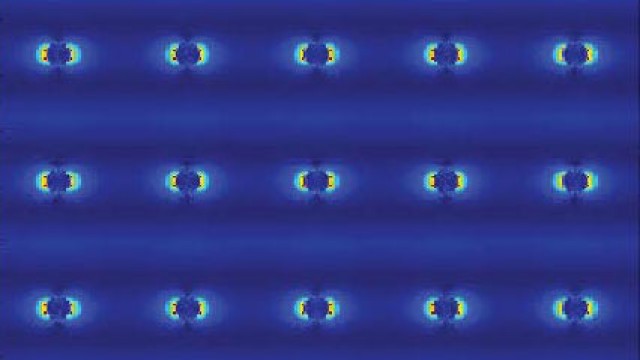
Researchers have developed a tiny nanolaser that can function inside of living tissues without harming them. Just 50 to 150 nanometers thick, the laser is about 1/1,000th the thickness of a single human hair. At this size, the laser can... Continue Reading →

Non-alcoholic fatty liver disease (NAFLD) is the build-up of fat in the liver due to factors other than alcohol. It affects about a quarter of the adult population globally, but its cause remains unknown. Now, researchers have linked NAFLD to... Continue Reading →
 Scents of Science