
For more than a week, people have been sharing an eyebrow-raising report that the novel coronavirus can live for 24 hours on cardboard, and up to three days on plastic and stainless steel. It can, but the details are more... Continue Reading →
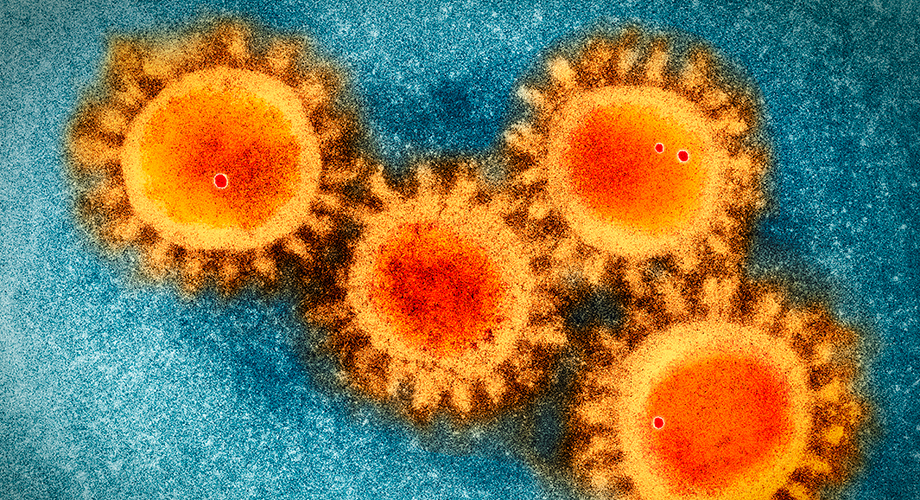
The novel SARS-CoV-2 coronavirus that emerged in the city of Wuhan, China, last year and has since caused a large scale COVID-19 epidemic and spread to more than 70 other countries is the product of natural evolution, according to findings... Continue Reading →
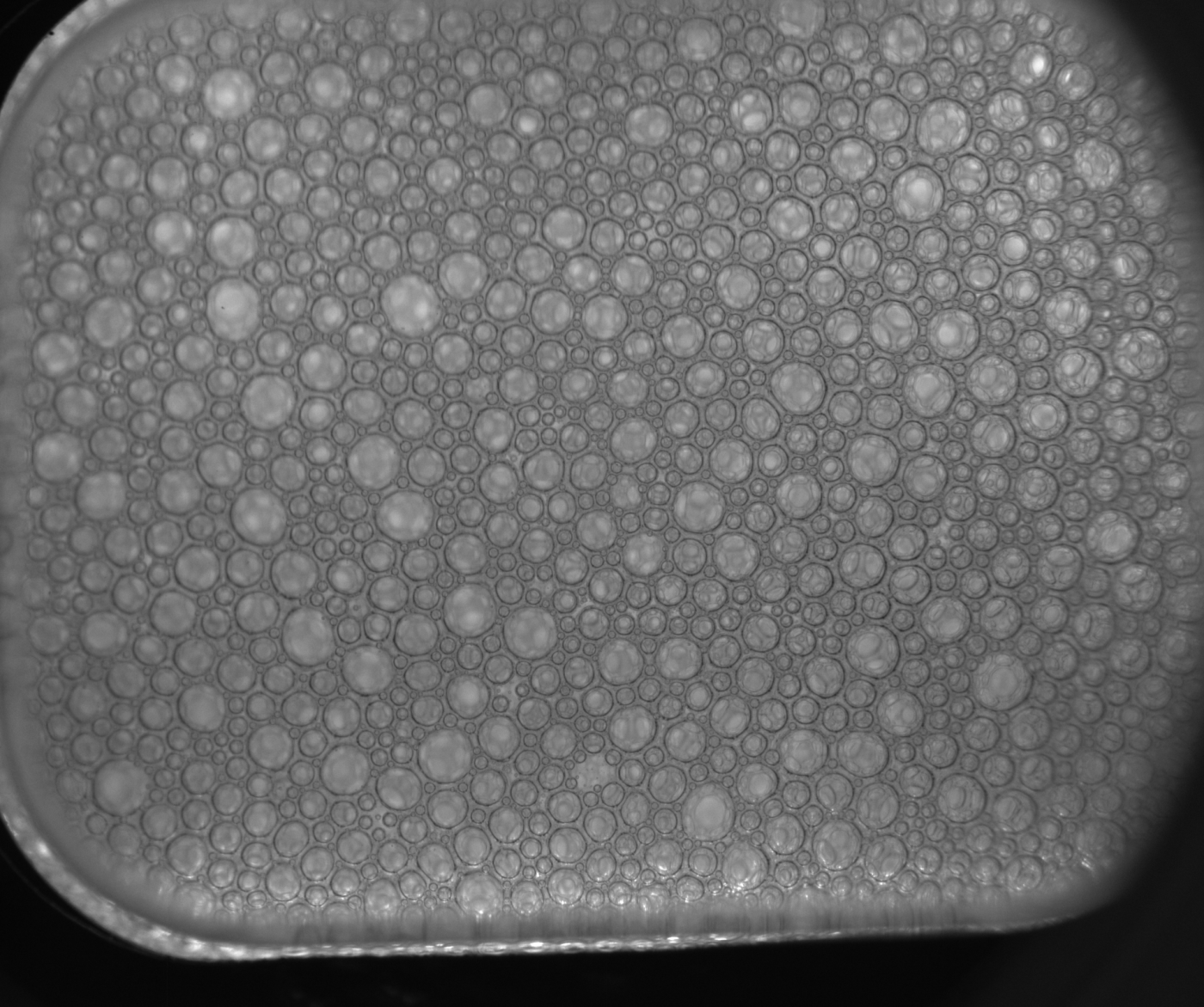
Installed on Friday in the International Space Station and sending down images by Monday. This picture shows one of the first images of foam formed inside the Fluid Science Laboratory in Europe’s space laboratory Columbus. The Foam-Coarsening experiment, developed by... Continue Reading →
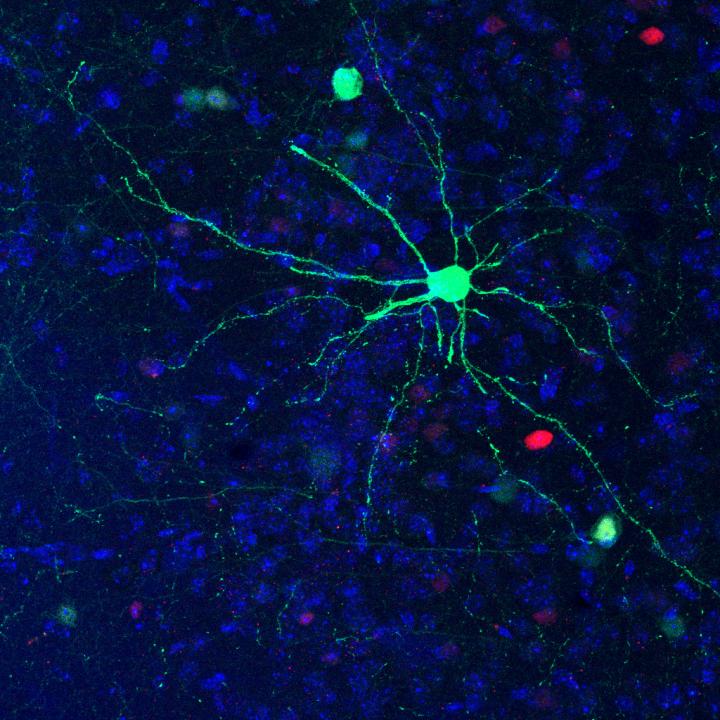
In a new paper published in Learning and Memory, researchers from Boston University's Center for Systems Neuroscience reveal just how much power scents have in triggering the memory of past experiences--and the potential for odor to be used as a tool to treat... Continue Reading →

The virus that causes coronavirus disease 2019 (COVID-19) is stable for several hours to days in aerosols and on surfaces, according to a new study from National Institutes of Health, CDC, UCLA and Princeton University scientists in The New England Journal... Continue Reading →
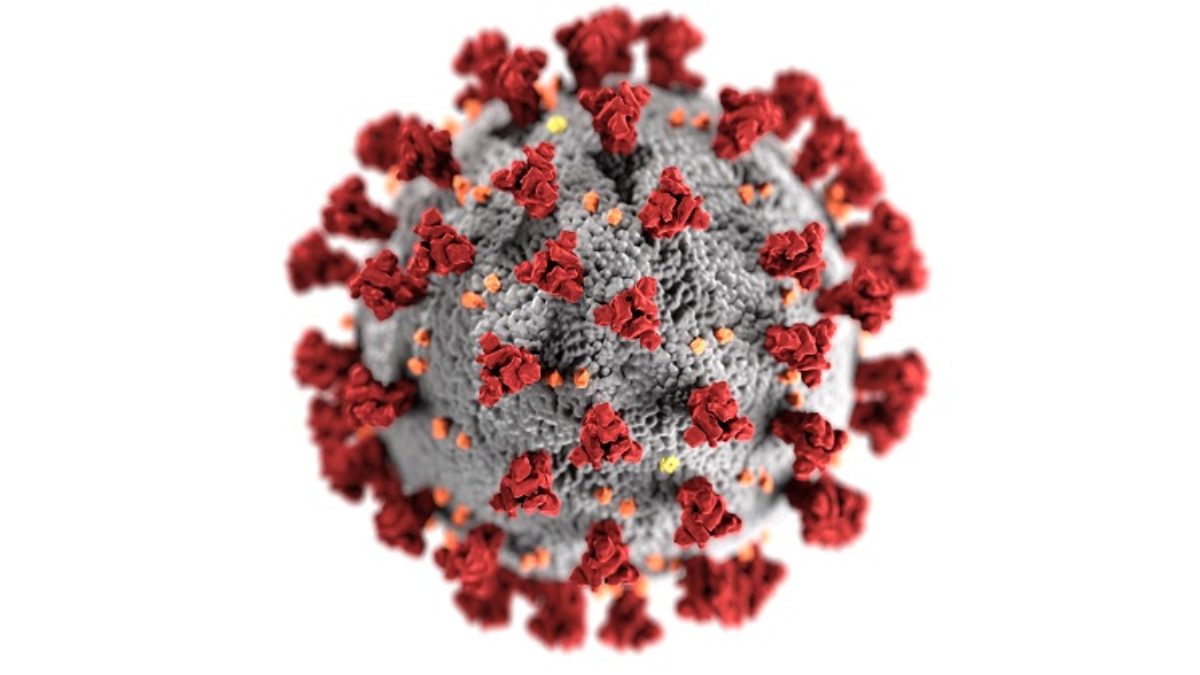
Infectious disease researchers at The University of Texas at Austin studying the novel coronavirus were able to identify how quickly the virus can spread, a factor that may help public health officials in their efforts at containment. They found that... Continue Reading →

Highlight Study results call into question the utility of testing blood pressure load--the proportion of elevated blood pressure readings detected over 24 hours--for diagnosing hypertension in children. Results from a new study provide insights on evaluating high blood pressure in... Continue Reading →

Scientists from the Monell Center report that functional olfactory receptors, the sensors that detect odors in the nose, are also present in human taste cells found on the tongue. The findings suggest that interactions between the senses of smell and... Continue Reading →

A multi-center study (n=101) of the relationship between chest CT findings and the clinical conditions of coronavirus disease (COVID-19) pneumonia -- published ahead-of-print and open-access in the American Journal of Roentgenology (AJR) -- determined that most patients with COVID-19 pneumonia have ground-glass... Continue Reading →
 Scents of Science