
Stanford Medicine researchers find that ibogaine, a plant-based psychoactive compound, safely led to improvements in depression, anxiety and functioning among veterans with traumatic brain injuries. For military veterans, many of the deepest wounds of war are invisible: Traumatic brain injuries... Continue Reading →
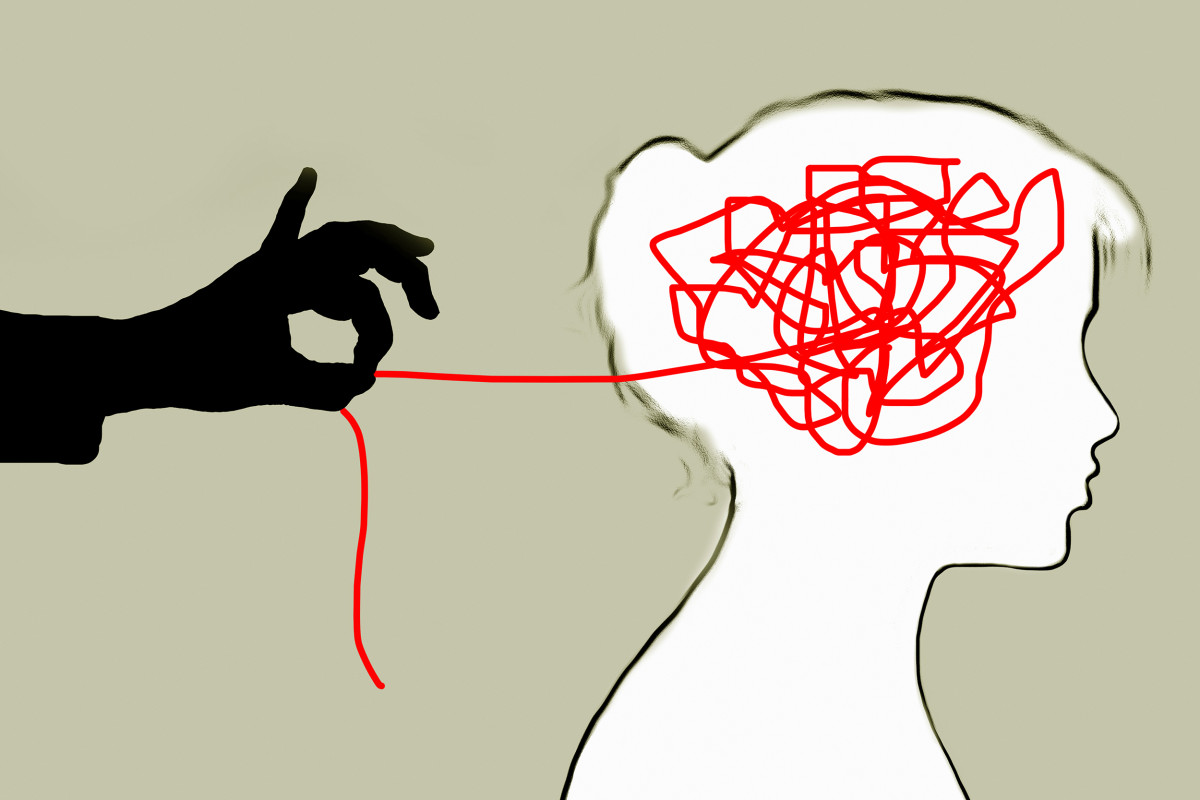
Abnormal levels of stress hormones such as adrenaline and cortisol are linked to a variety of mental health disorders, including depression and posttraumatic stress disorder (PTSD). MIT researchers have now devised a way to remotely control the release of these... Continue Reading →
Clinical trials suggest treatment that involves psychedelics can be more effective than psychotherapy alone. More than three million people in the United States are diagnosed each year with post-traumatic stress disorder, whose symptoms include nightmares or unwanted memories of trauma,... Continue Reading →

For a thousand years, people have reported feeling better by meditating but there has never been a systematic study that quantified stress and how much stress changes as a direct result of meditation until now. U.S. Army Research Laboratory researchers... Continue Reading →
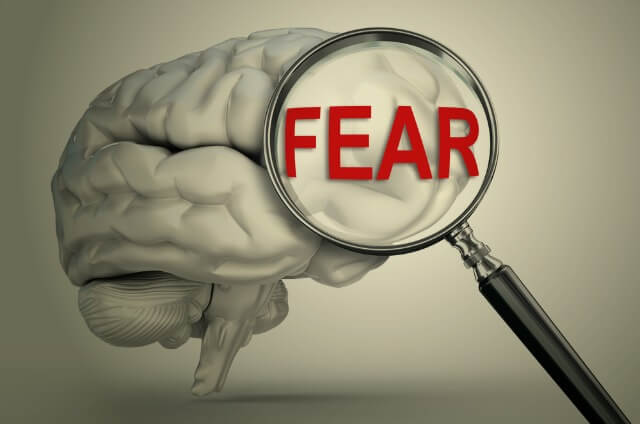
How does your brain decide what to do in a threatening situation? A paper published in Nature describes a mechanism by which the brain classifies the level of a threat and decides when to escape. Escaping from a dangerous situation is crucial... Continue Reading →
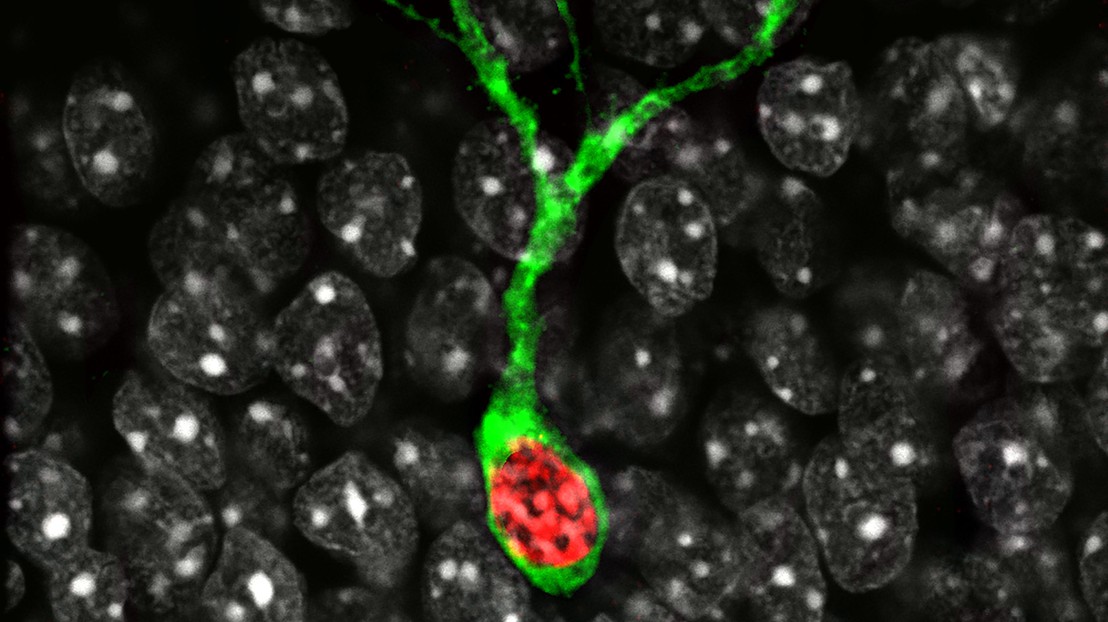
Memories of traumatic experiences can lead to mental health issues such as post-traumatic stress disorder (PTSD), which can destroy a person’s life. It is currently estimated that almost a third of all people will suffer from fear- or stress-related disorders... Continue Reading →

Can probiotics fend off mood disorders? It’s too early to say with scientific certainty, but a new study by CU Boulder researchers suggests that one particular beneficial bacteria can have long-lasting anti-inflammatory effects on the brain, making it more resilient to the... Continue Reading →
Head injuries can alter hundreds of genes and lead to serious brain diseases, UCLA biologists report

Head injuries can harm hundreds of genes in the brain in a way that increases people’s risk for a wide range of neurological and psychiatric disorders, UCLA life scientists report. The researchers identified for the first time master genes that... Continue Reading →
 Scents of Science