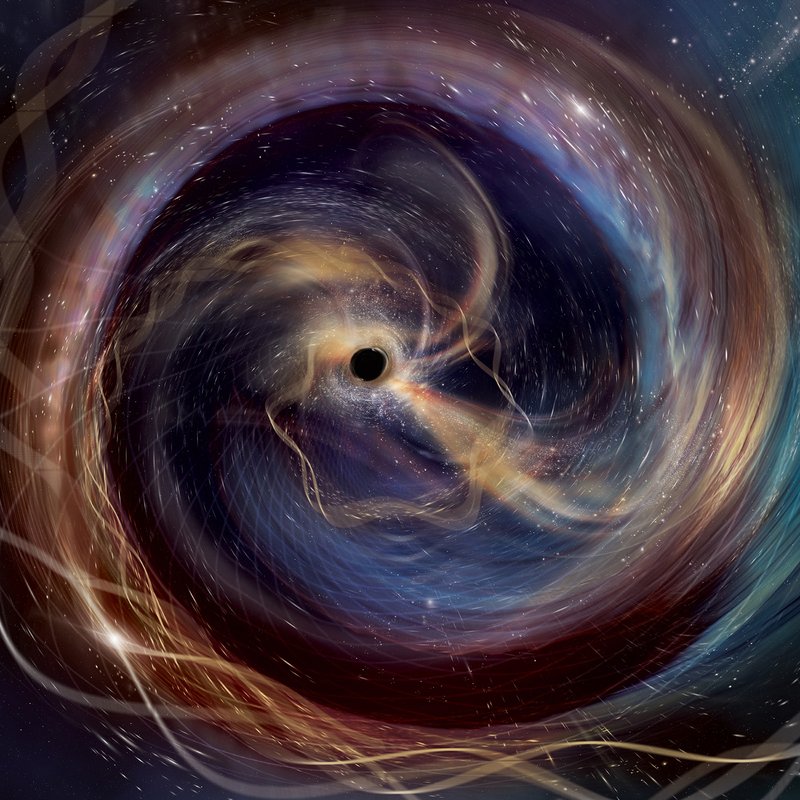
On September 14, 2015, a signal arrived on Earth, carrying information about a pair of remote black holes that had spiraled together and merged. The signal had traveled about 1.3 billion years to reach us at the speed of light—but... Continue Reading →
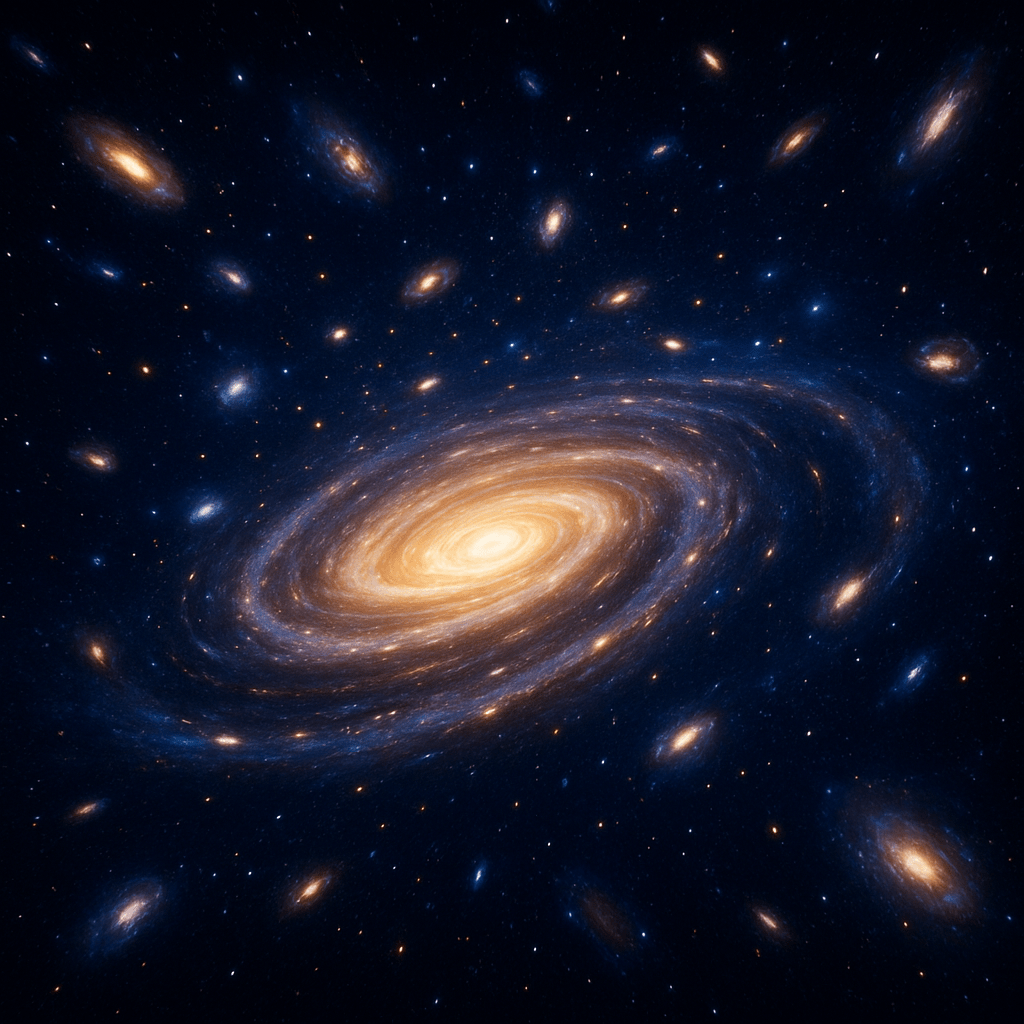
A new study in Monthly Notices of the Royal Astronomical Society by researchers including István Szapudi of the University of Hawaiʻi Institute for Astronomy suggests the universe may rotate—just extremely slowly. The finding could help solve one of astronomy’s biggest puzzles. “To paraphrase the... Continue Reading →
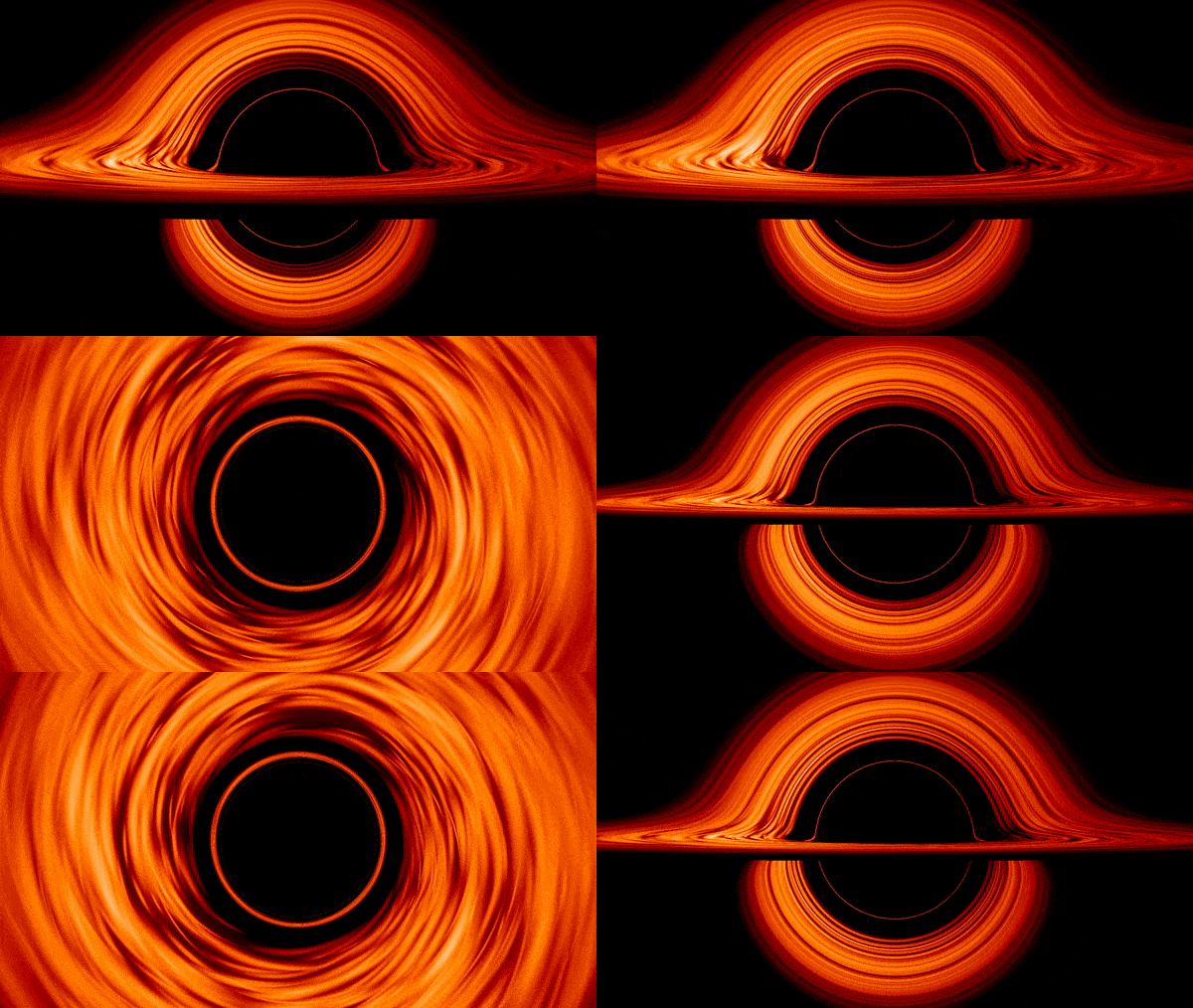
Our understanding of black holes, time and the mysterious dark energy that dominates the universe could be revolutionised, as new University of Sheffield research helps unravel the mysteries of the cosmos. Black holes – areas of space where gravity is... Continue Reading →
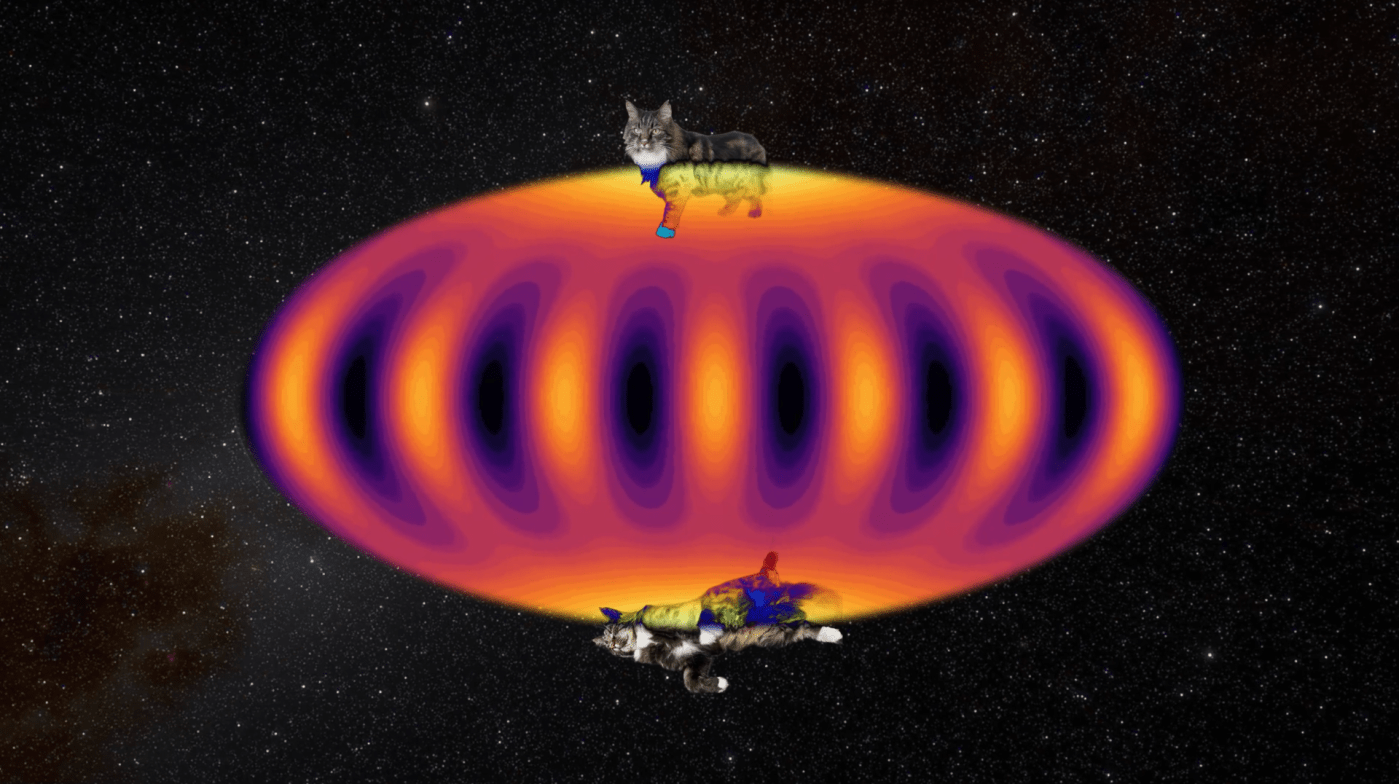
UNSW engineers have demonstrated a well-known quantum thought experiment in the real world. Their findings deliver a new and more robust way to perform quantum computations – and they have important implications for error correction, one of the biggest obstacles... Continue Reading →
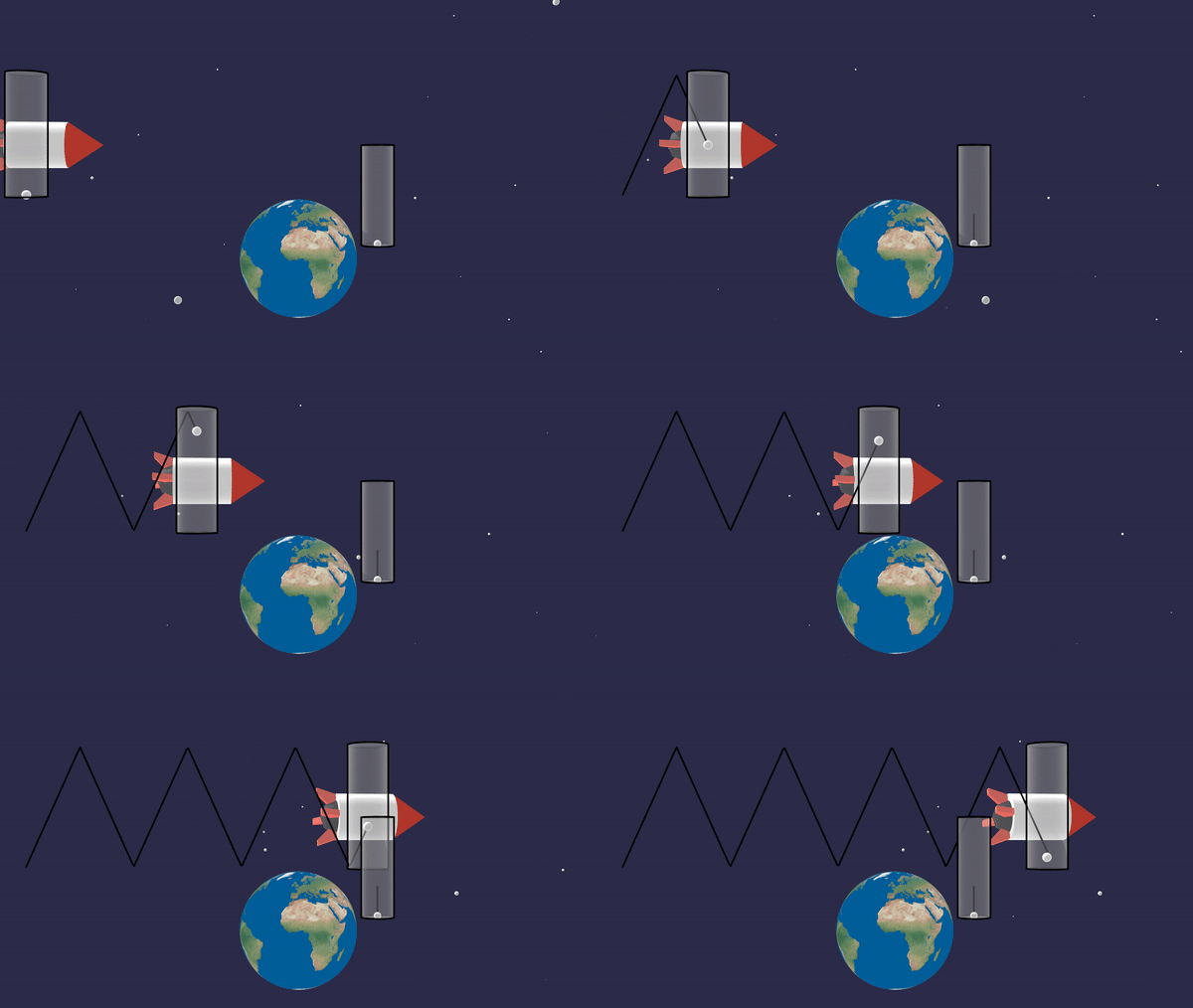
Time dilation is one of the most intriguing concepts in Einstein's theory of relativity, fundamentally altering our understanding of time and space. It refers to the phenomenon where time appears to pass at different rates for observers in different frames... Continue Reading →

Macquarie University researchers have demonstrated how ordinary supermarket grapes can enhance the performance of quantum sensors, potentially leading to more efficient quantum technologies. The study, published in Physical Review Applied on 20 December 2024, shows that pairs of grapes can create strong localized magnetic... Continue Reading →

Modeling how cars deform in a crash, how spacecraft respond to extreme environments, or how bridges resist stress could be made thousands of times faster thanks to new artificial intelligence that enables personal computers to solve massive math problems that... Continue Reading →

Physicists are closer than ever to answering fundamental questions about the origins of the universe by learning more about its tiniest particles. University of Cincinnati Professor Alexandre Sousa in a new paper outlined the next 10 years of global research... Continue Reading →

Problem:Irodov, problem 1.52., it says that acceleration is constant in magnitude and pointing permanently towards the center of the wheel. `vrai ou faux? A wheel rolls on a horizontal surface without slipping. Also rolling is the acceleration vector (red). It... Continue Reading →
 Scents of Science