You might remember you ate cereal for breakfast but forget the color of the bowl. Or recall watching your partner put the milk away but can't remember on which shelf. A new Northwestern Medicine study improved memory of complex, realistic... Continue Reading →

University of Alberta researchers have taken another step forward in developing an artificial intelligence tool to predict schizophrenia by analyzing brain scans. In recently published research, the tool was used to analyze functional magnetic resonance images of 57 healthy first-degree relatives... Continue Reading →

Georgia State University biology researchers have found that infecting the nasal passages of mice with the virus that causes COVID-19 led to a rapid, escalating attack on the brain that triggered severe illness, even after the lungs were successfully clearing themselves of... Continue Reading →
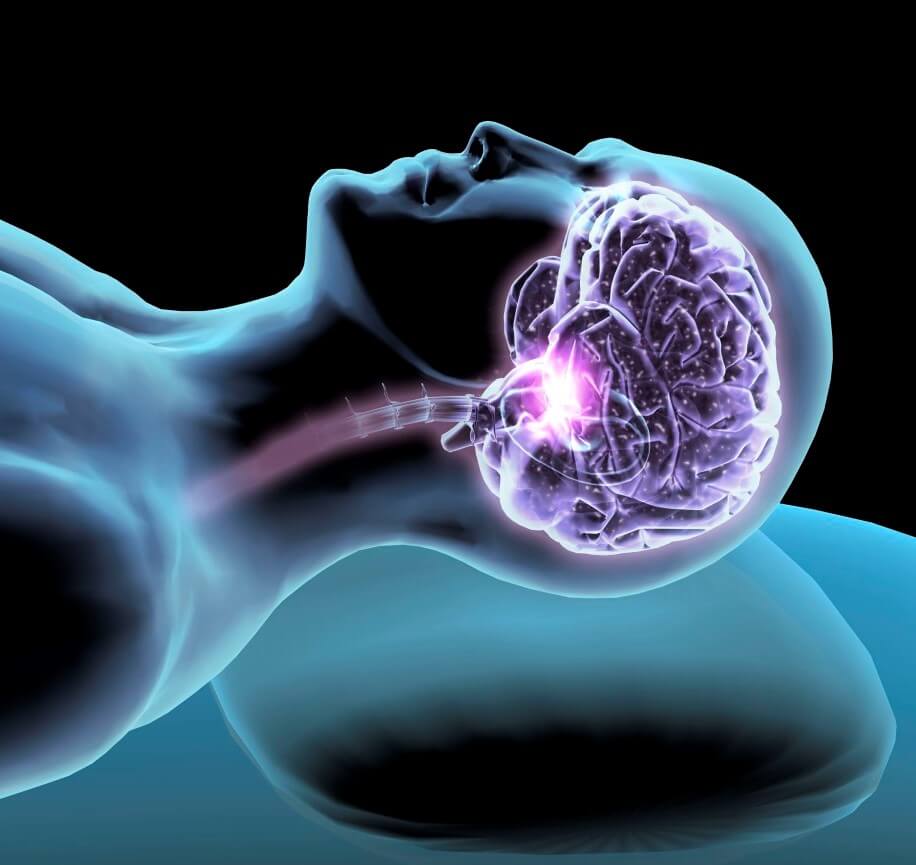
Our state of consciousness changes significantly during stages of deep sleep, just as it does in a coma or under general anesthesia. Scientists have long believed – but couldn’t be certain – that brain activity declines when we sleep. Most... Continue Reading →

Religious people facing life crises rely on emotion-regulation strategies that psychologists also use, a new study finds. They look for positive ways of thinking about hardship, a practice known to psychologists as “cognitive reappraisal.” They also tend to have confidence... Continue Reading →

Recent interest in developing therapies from hallucinogenic drugs has scientists exploring how these chemicals work in the brain. Recently, Johns Hopkins Medicine researchers imaged the brains of people who had vaped salvinorin A, a drug used in Native Mexican rituals,... Continue Reading →

How much are you conscious of right now? Are you conscious of just the words in the center of your visual field or all the words surrounding it? We tend to assume that our visual consciousness gives us a rich... Continue Reading →

Have you ever run into a work colleague at the supermarket and failed to recognize them? Blame your brilliant, lazy brain. A new study led by Assistant Professor Oliver Baumann of Bond University sheds fresh light on the way the... Continue Reading →
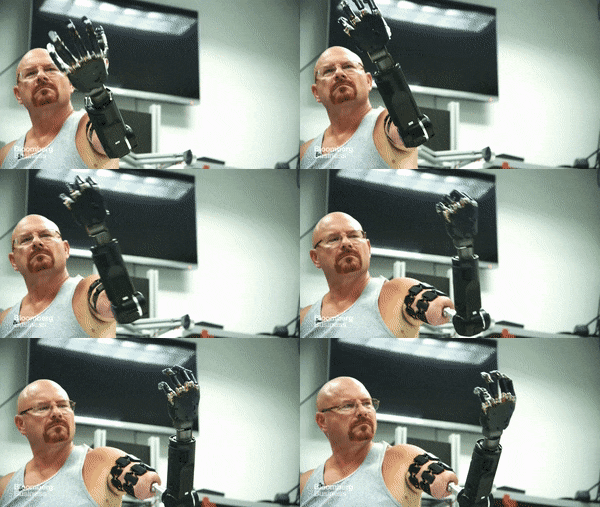
Combining neuroscience and robotic research has gained impressive results in the rehabilitation of paraplegic patients. A research team led by Prof. Gordon Cheng from the Technical University of Munich (TUM) was able to show that exoskeleton training not only helped... Continue Reading →
 Scents of Science