
The plasticizers contained in many everyday objects can impair important brain functions in humans. Biologists from the University of Bayreuth warn of this danger in an article in Communications Biology. Their study shows that even small amounts of the plasticizers bisphenol... Continue Reading →
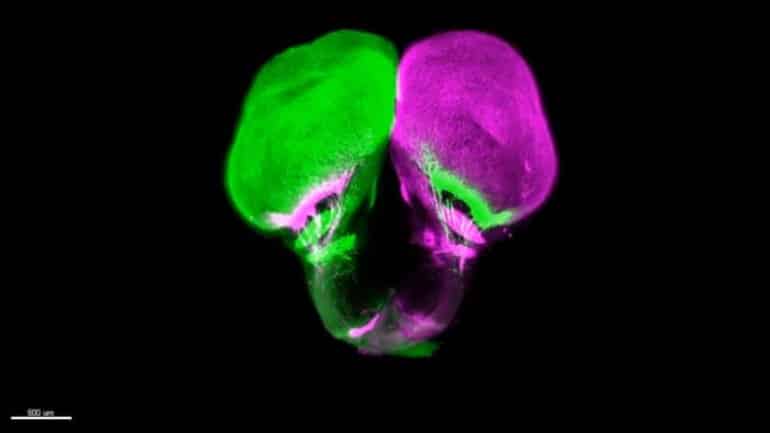
The network of nerves connecting our eyes to our brains is sophisticated and researchers have now shown that it evolved much earlier than previously thought, thanks to an unexpected source: the gar fish. Michigan State University’s Ingo Braasch has helped... Continue Reading →
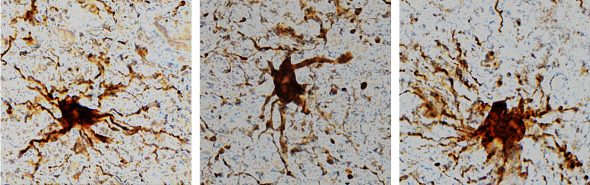
In the hours after we die, certain cells in the human brain are still active. Some cells even increase their activity and grow to gargantuan proportions, according to new research from the University of Illinois Chicago. In a newly published... Continue Reading →

Sugar practically screams from the shelves of your grocery store, especially those products marketed to kids. Children are the highest consumers of added sugar, even as high-sugar diets have been linked to health effects like obesity and heart disease and... Continue Reading →

In addition to smoothing out wrinkles, researchers have found that the drug Botox can reveal the inner workings of the brain. A new study used it to show that feedback from individual nerve cells controls the release of dopamine, a... Continue Reading →

Cells from individuals with Major Depressive Disorder (MDD) were found to have higher than expected rates of methylation at specific sites on their DNA, when compared to cells from healthy individuals without MDD, according to a study by a multidisciplinary... Continue Reading →

If you have experienced unwanted weight gain or weight loss during the pandemic, you are not alone. According to a poll by the American Psychological Association, 61% of U.S. adults reported undesired weight change since the pandemic began. The results, released in... Continue Reading →

In the first study to use whole genome sequencing (WGS) to discover rare genomic variants associated with Alzheimer’s disease (AD), researchers have identified 13 such variants (or mutations). In another novel finding, this study establishes new genetic links between AD... Continue Reading →

The brain has an enormous capacity to adapt to its environment. This ability to continuously learn and form new memories thanks to its malleability, is known as brain plasticity. One of the most important mechanisms behind brain plasticity is the... Continue Reading →
 Scents of Science