
The human brain is an exquisitely complex, organic CPU, made of trillions of connections between many billions of neurons. Understanding such a complicated organ is a massive scientific undertaking, and researchers often use simplified models to uncover small pieces of... Continue Reading →
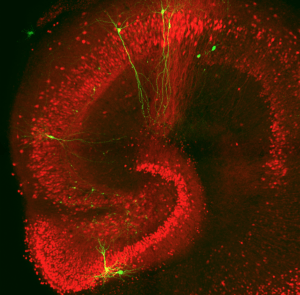
The brain has an incredible capacity to support a lifetime of learning and memory. Each new experience fundamentally alters the connections between cells in the brain called synapses. To accommodate synaptic alterations, certain areas of the brain are highly plastic,... Continue Reading →

Psychologists at the University of Sussex have found a link between depression and an acceleration of the rate at which the brain ages. Although scientists have previously reported that people with depression or anxiety have an increased risk of dementia... Continue Reading →
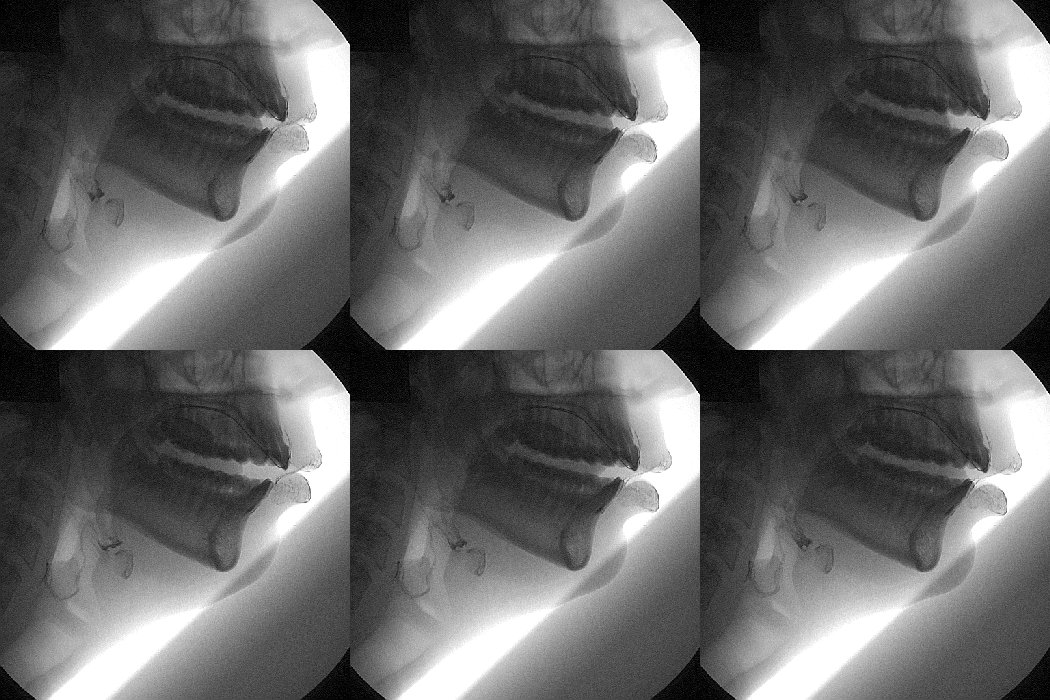
When we speak, we unconsciously pronounce some words more slowly than others, and sometimes we make brief pauses or throw in meaningless sounds like “uhm”. Such slow-down effects provide key evidence on how our brains process language. They point to... Continue Reading →
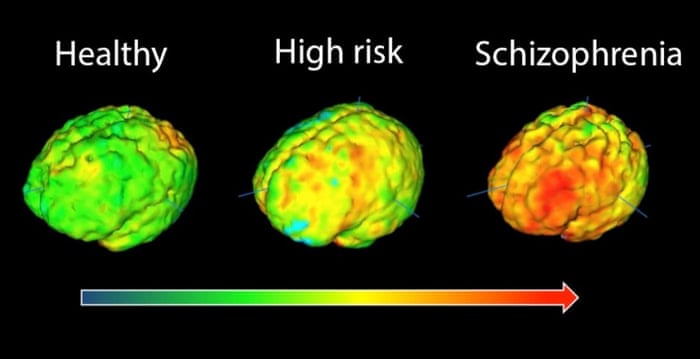
Scientists at Karolinska Institutet in Sweden and University of North Carolina, USA, have identified the cell types underlying schizophrenia in a new study published in Nature Genetics. The findings offer a roadmap for the development of new therapies to target... Continue Reading →
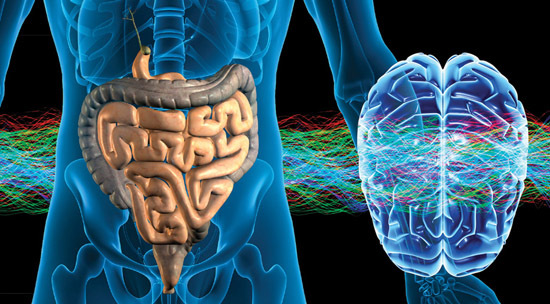
A study published in Nature sheds new light on the connection between the gut and the brain, untangling the complex interplay that allows the byproducts of microorganisms living in the gut to influence the progression of neurodegenerative diseases. Investigators from Brigham and... Continue Reading →
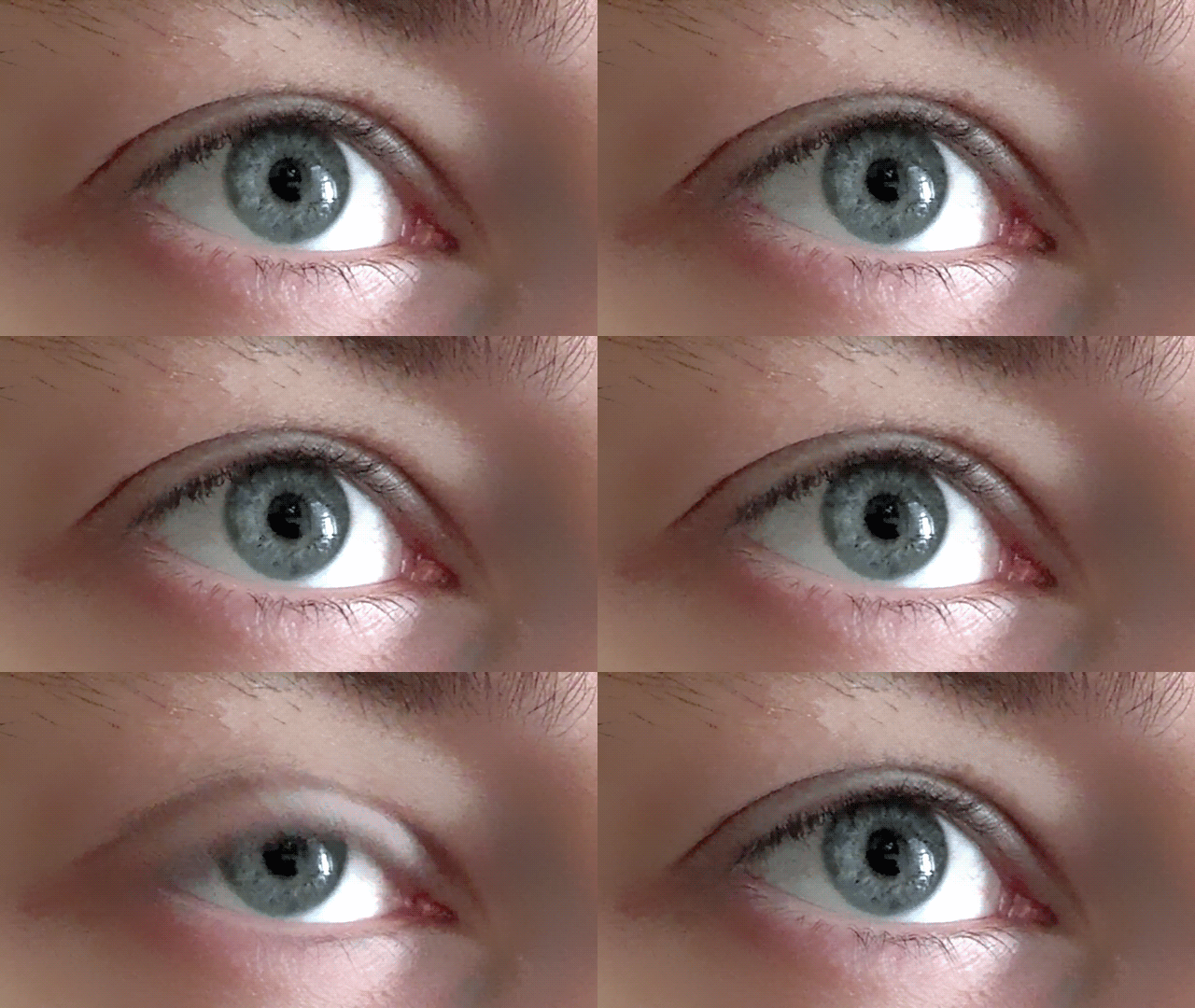
The Computer Science and Engineering Research Team at the Toyohashi University of Technology has measured the pupil (referred to as the “black part” of the eye) when a person is inspired by an object. It is known that the pupil... Continue Reading →

Chronic social isolation has debilitating effects on mental health in mammals—for example, it is often associated with depression and post-traumatic stress disorder in humans. Now, a team of Caltech researchers has discovered that social isolation causes the build-up of a... Continue Reading →

Face-likeness recognition is the act of recognizing a non-face object as a human face. This phenomenon is called “pareidolia,” and refers to “perceiving an inherently meaningless object such as a pattern, landscape or object as another object with meaning.” Many... Continue Reading →
 Scents of Science