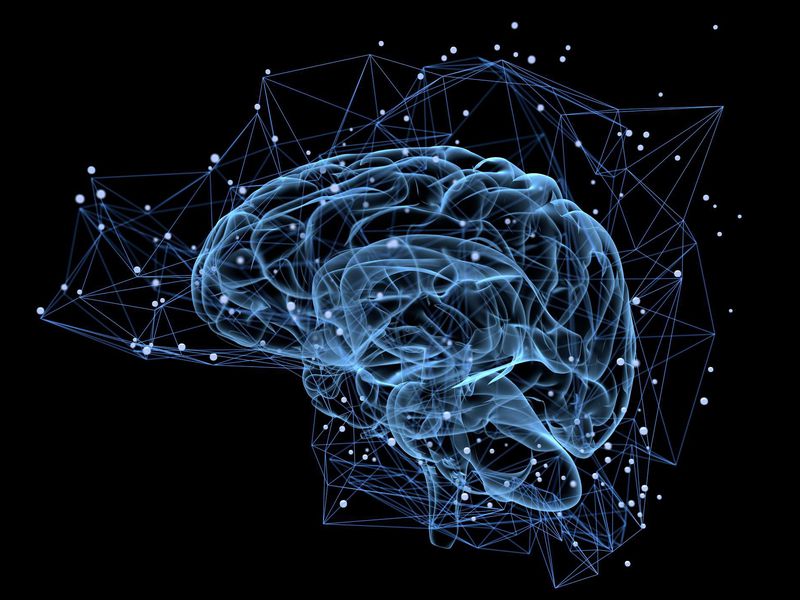
Providing "targeted" social support to other people in need activates regions of the brain involved in parental care- which may help researchers understand the positive health effects of social ties, reports a study in Psychosomatic Medicine: Journal of Biobehavioral Medicine, the... Continue Reading →
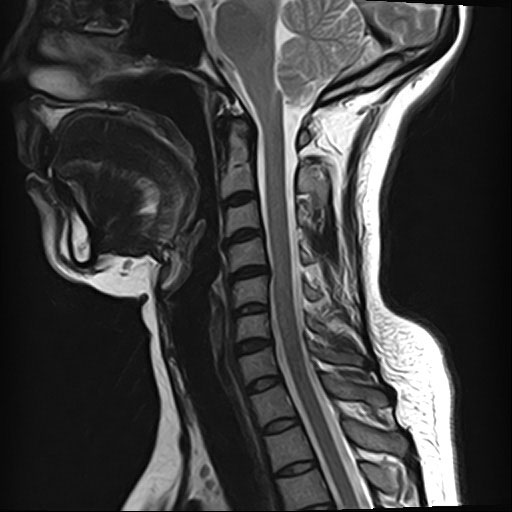
Bone marrow, the spongy tissue inside most of our bones, produces red blood cells as well as immune cells that help fight off infections and heal injuries. According to a new study of mice and humans, tiny tunnels run from... Continue Reading →

The international collaboration, led by the University of Exeter and published in Nature Communications, has found 47 links between our genetic code and the quality, quantity and timing of how we sleep. They include ten new genetic links with sleep duration... Continue Reading →

Researchers at the University of Minnesota have developed a unique 3D-printed transparent skull implant for mice that provides an opportunity to watch activity of the entire brain surface in real time. The device allows fundamental brain research that could provide... Continue Reading →

In the largest known brain imaging study, scientists from Amen Clinics (Costa Mesa, CA), Google, John’s Hopkins University, University of California, Los Angeles and the University of California, San Francisco evaluated 62,454 brain SPECT (single photon emission computed tomography) scans... Continue Reading →

Poor sleep can literally kill your social life. UC Berkeley researchers have found that sleep-deprived people feel lonelier and less inclined to engage with others, avoiding close contact in much the same way as people with social anxiety. Worse still,... Continue Reading →

A little more than 10 years ago, when neurobiologist Richard Smeynewas working at St. Jude Children’s Research Hospital in Memphis, he saw a video of a duck acting strangely. The white-feathered, orange-billed bird was standing slightly apart from its flock on... Continue Reading →
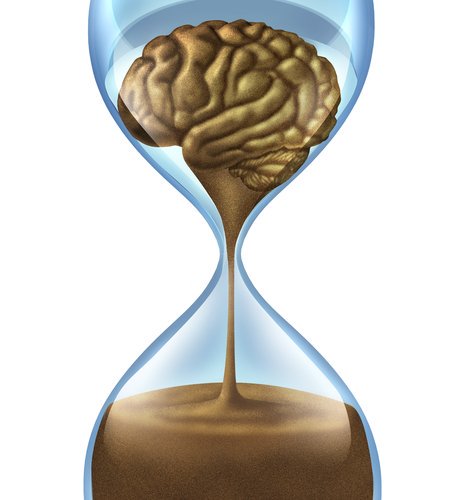
In 1993, neurologist Camilo R. Gomez, MD, coined a phrase that for a quarter century has been a fundamental rule of stroke care: “Time is brain!” “Unquestionably the longer therapy is delayed, the lesser the chance that it will be... Continue Reading →
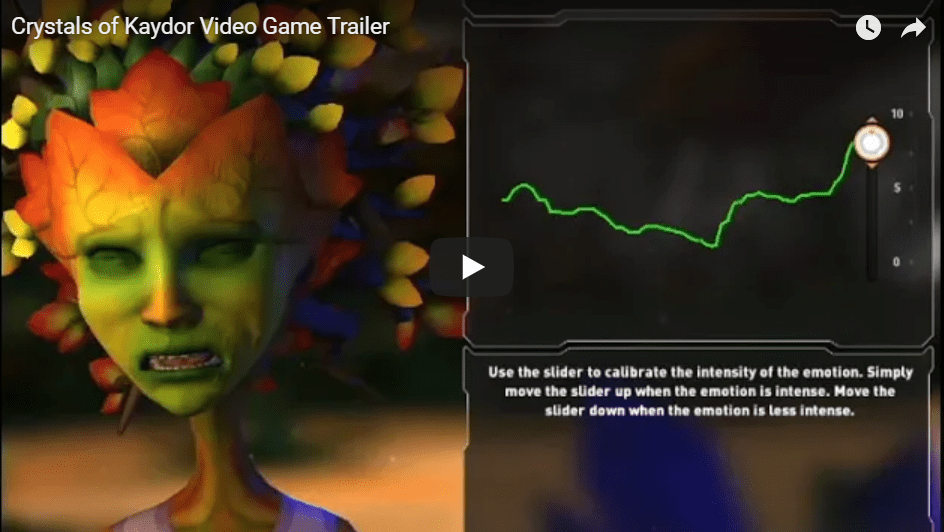
A space-exploring robot crashes on a distant planet. In order to gather the pieces of its damaged spaceship, it needs to build emotional rapport with the local alien inhabitants. The aliens speak a different language but their facial expressions are... Continue Reading →
 Scents of Science