
Alzheimer's disease, the most common cause of dementia among the elderly, is characterized by plaques and tangles in the brain, with most efforts at finding a cure focused on these abnormal structures. But a University of California, Riverside, research team... Continue Reading →

Scientist have identified a link between exposure to high levels of oestrogen sex hormones in the womb and the likelihood of developing autism. The findings are published in the journal Molecular Psychiatry. The discovery adds further evidence to support the prenatal... Continue Reading →
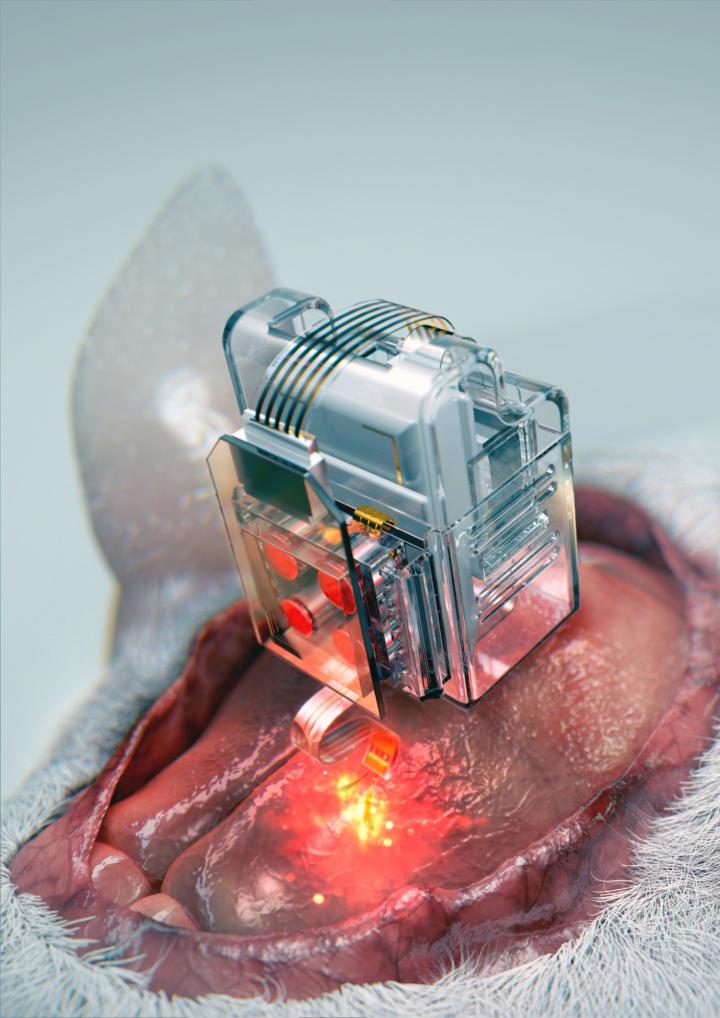
A team of scientists in Korea and the United States have invented a device that can control neural circuits using a tiny brain implant controlled by a smartphone. Researchers, publishing in Nature Biomedical Engineering, believe the device can speed up efforts... Continue Reading →

For years, scientists thought the brain lacked a lymphatic system, raising questions about how fluid, macromolecules, and immune cells escape the organ. In 2015, two studies in mice provided evidence that the brain does in fact have a traditional lymphatic system in... Continue Reading →

A gene therapy can turn certain brain glial cells into functioning neurons, which in turn could help repair the brain after a stroke or during neurological disorders like Alzheimer’s or Parkinson’s diseases. In a series of studies in animals, a... Continue Reading →
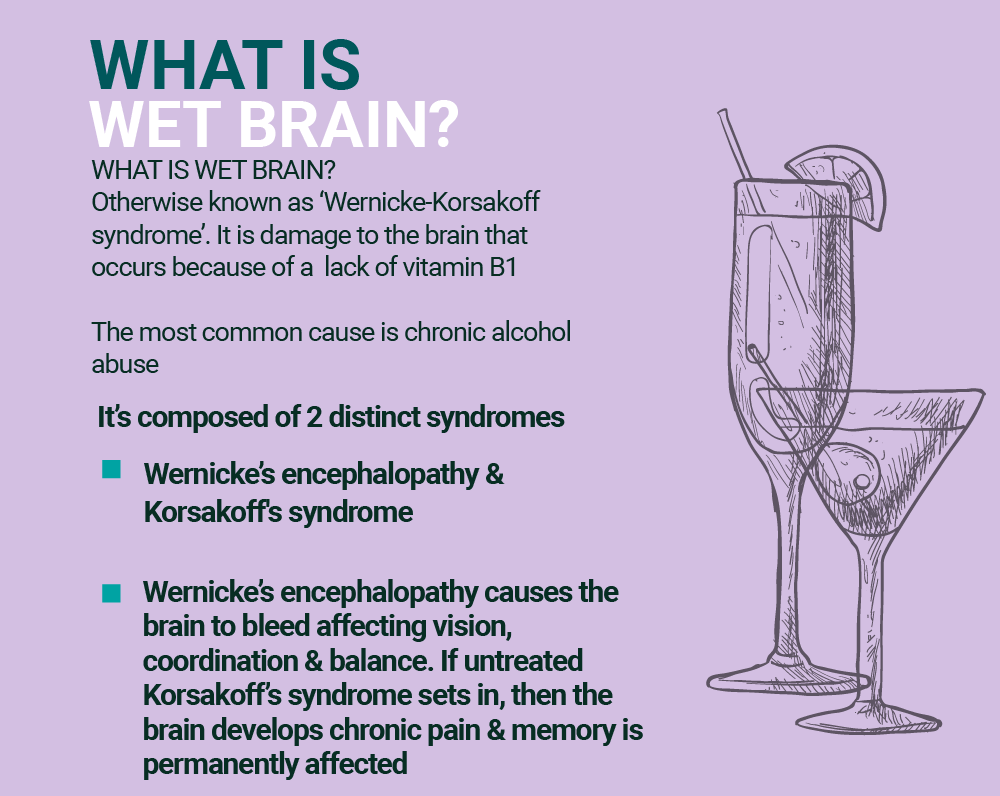
Korsakoff syndrome is a chronic memory disorder caused by severe deficiency of thiamine (vitamin B-1). Thiamine helps brain cells produce energy from sugar. When levels fall too low, brain cells cannot generate enough energy to function properly. Korsakoff syndrome is... Continue Reading →
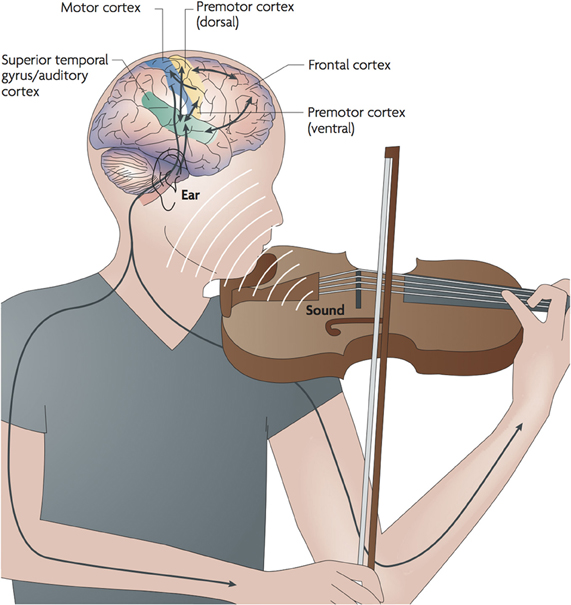
In the eternal search for understanding what makes us human, scientists found that our brains are more sensitive to pitch, the harmonic sounds we hear when listening to music, than our evolutionary relative the macaque monkey. The study, funded in... Continue Reading →

UNC School of Medicine scientists unveiled how a particular gene helps organize the scaffolding of brain cells called radial progenitors necessary for the orderly formation of the brain. Previous studies have shown that this gene is mutated in some people... Continue Reading →
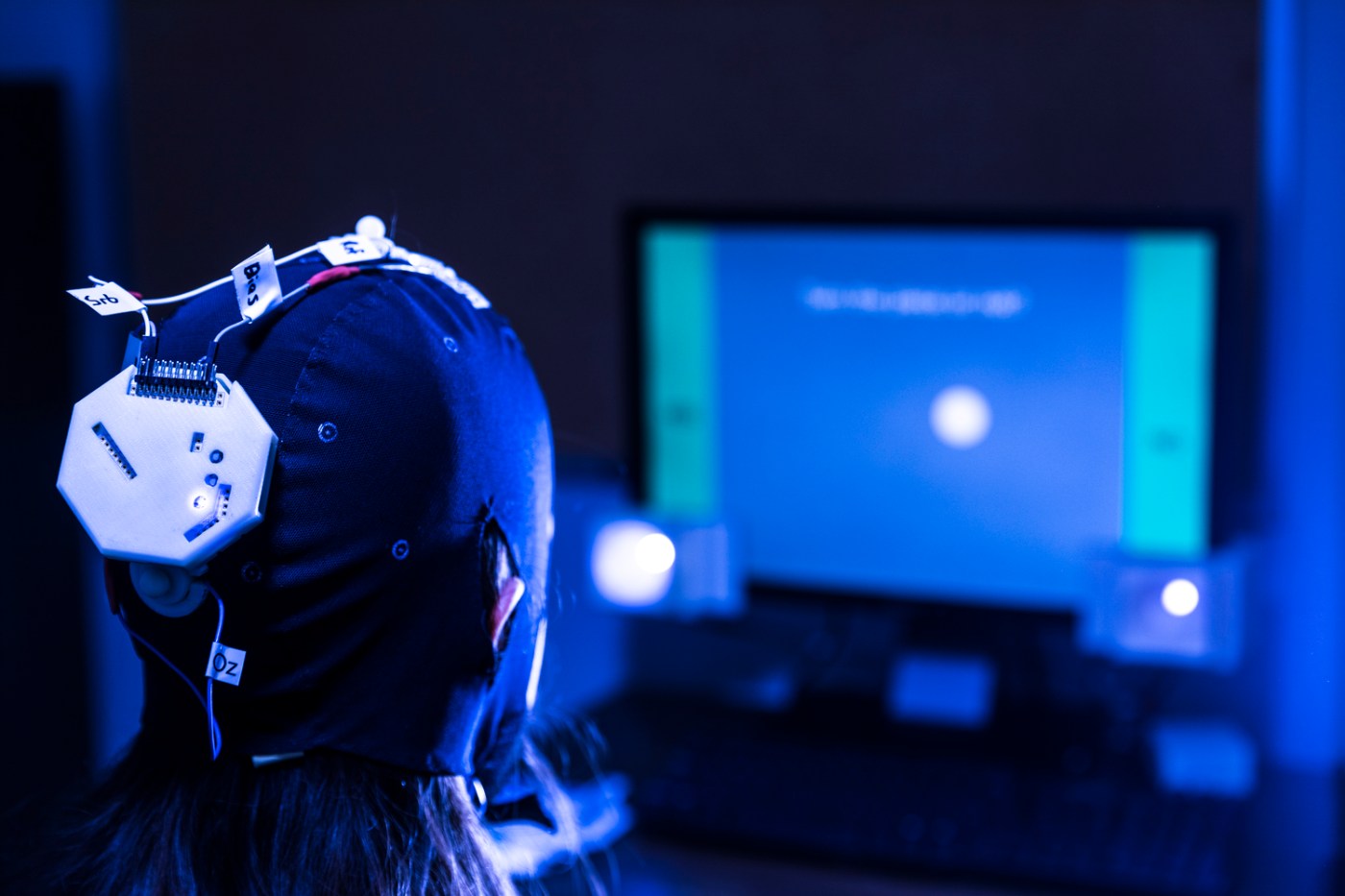
Telepathic communication might be one step closer to reality thanks to new research from the University of Washington. A team created a method that allows three people to work together to solve a problem using only their minds. In BrainNet,... Continue Reading →
 Scents of Science