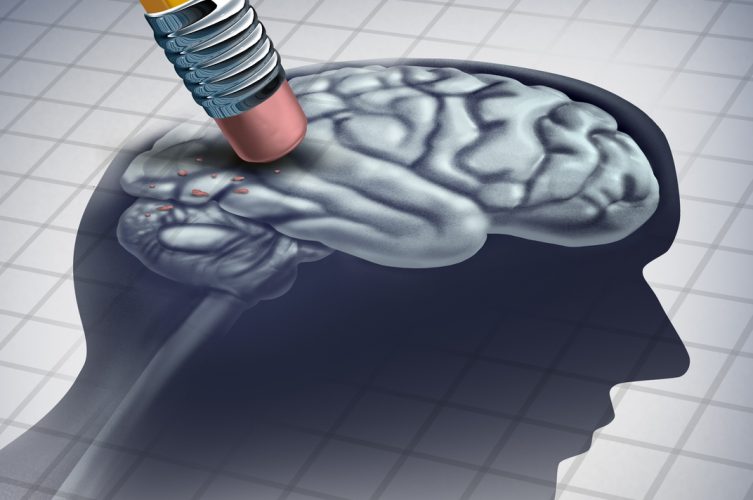
Can't remember something? Try waiting until later in the day. Researchers identified a gene in mice that seems to influence memory recall at different times of day and tracked how it causes mice to be more forgetful just before they... Continue Reading →
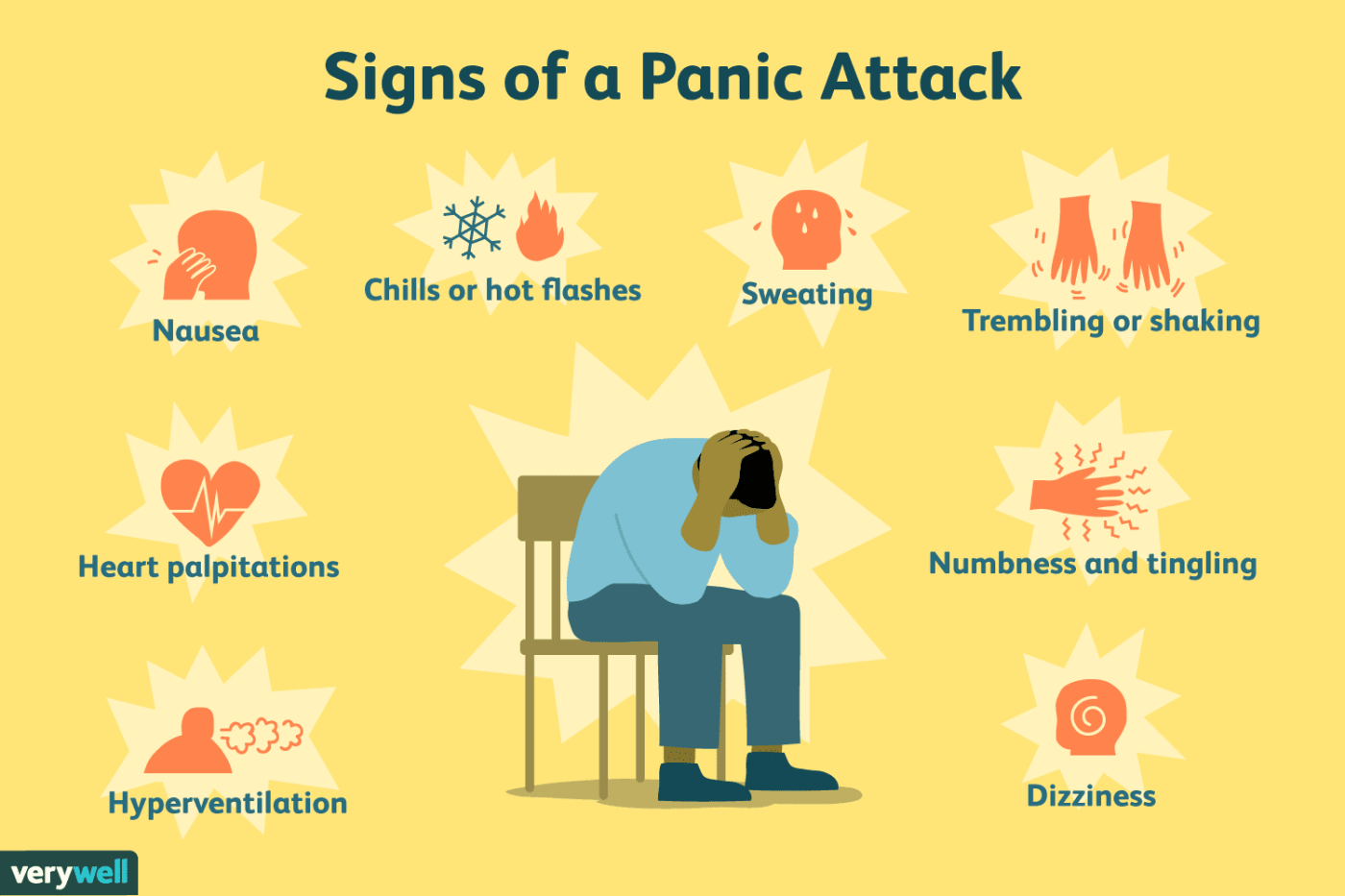
Your heart is pounding. You can’t catch your breath. You feel consumed by fear and may even think you’re dying -- even though you’re really in no danger. This is what it feels like to have a panic attack. Recently I experienced a... Continue Reading →
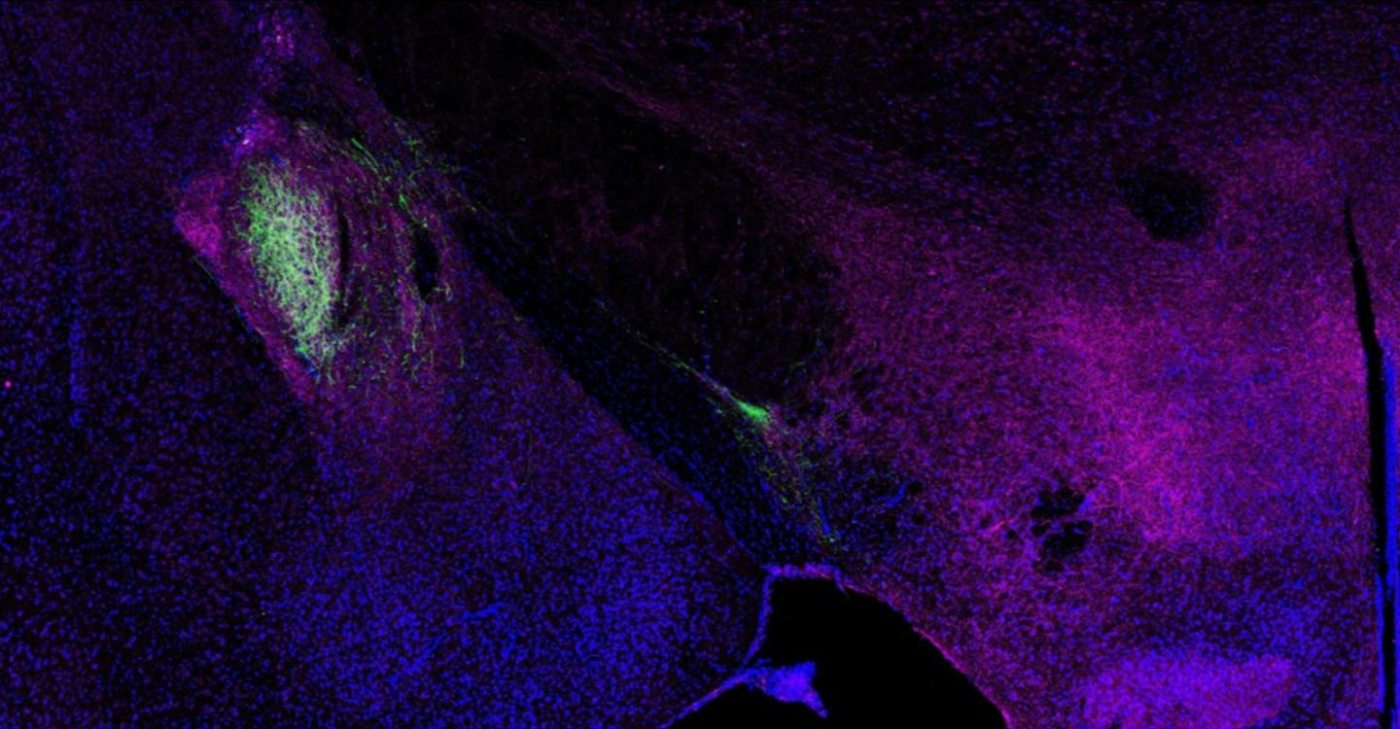
Scientists have known that a region of the brain called the central nucleus of the amygdala (CeA) plays a role in behaviors related to alcohol use and consumption in general. It's been less known which precise populations of brain cells... Continue Reading →

You're on a diet, but the aroma of popcorn in the movie theater lobby triggers a seemingly irresistible craving. Within seconds, you've ordered a tub of the stuff and have eaten several handfuls. Impulsivity, or responding without thinking about the... Continue Reading →

Researchers using MRI have found signs of damage that may be related to inflammation in the brains of obese adolescents, according to a study being presented next week at the annual meeting of the Radiological Society of North America (RSNA).... Continue Reading →

An important aspect of human memory is our ability to conjure specific moments from the vast array of experiences that have occurred in any given setting. For example, if asked to recommend a tourist itinerary for a city you have... Continue Reading →

Scientists at the University of Birmingham in collaboration with the University of Amsterdam have uncovered a possible explanation for the mental sluggishness that often accompanies illness. An estimated 12M UK citizens have a chronic medical condition, and many of them... Continue Reading →

A new study documents structural differences in the brains of preschool-age children related to screen-based media use. The study, published in JAMA Pediatrics, shows that children who have more screen time have lower structural integrity of white matter tracts in parts... Continue Reading →

In a new paper, a team of USC computer scientists and psychologists teamed up to investigate how music affects how you act, feel and think Your heart beats faster, palms sweat and part of your brain called the Heschl's gyrus... Continue Reading →
 Scents of Science