
How can you build neuronal networks that are more complex than anything known today? Researchers at the Max Planck Institute for Brain Research in Frankfurt, Germany, have mapped the development of inhibitory neuronal circuitry and report the discovery of distinct... Continue Reading →

Have you recently wondered how social-distancing and self-isolation may be affecting your brain? An international research team led by Erin Schuman from the Max Planck Institute for Brain Research discovered a brain molecule that functions as a “thermometer” for the... Continue Reading →
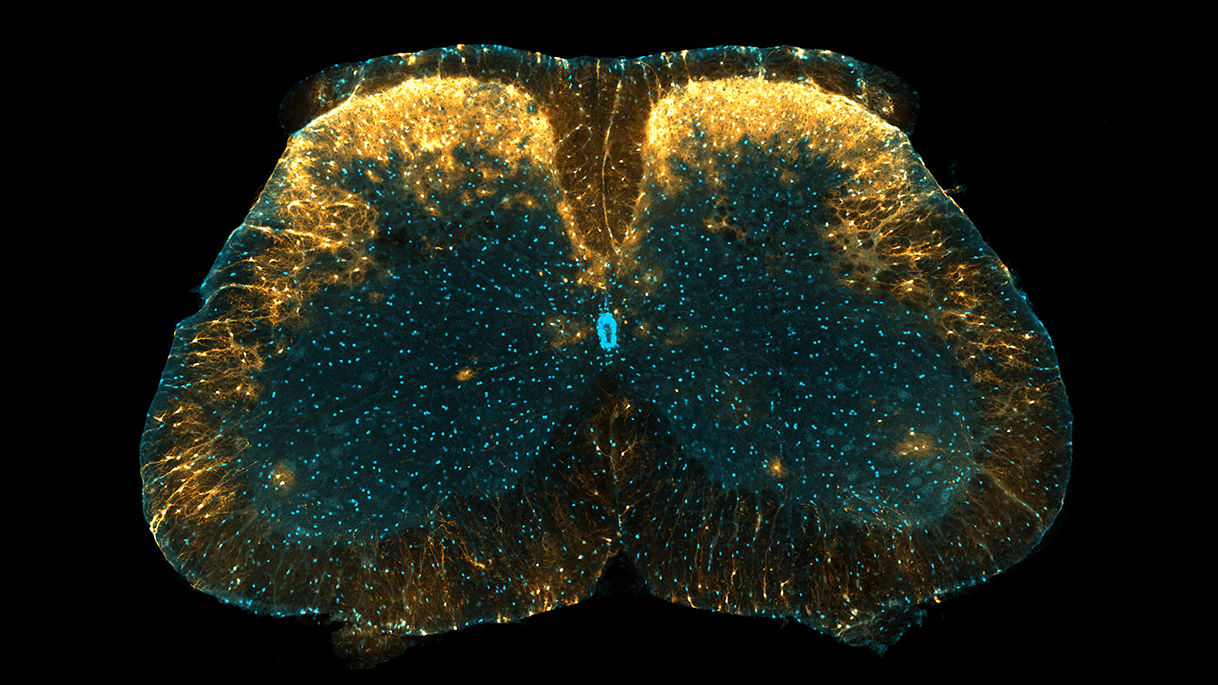
Researchers in Japan have revealed a previously unknown mechanism for pain control involving a newly identified group of cells in the spinal cord, offering a potential target for enhancing the therapeutic effect of drugs for chronic pain. While neurons may... Continue Reading →
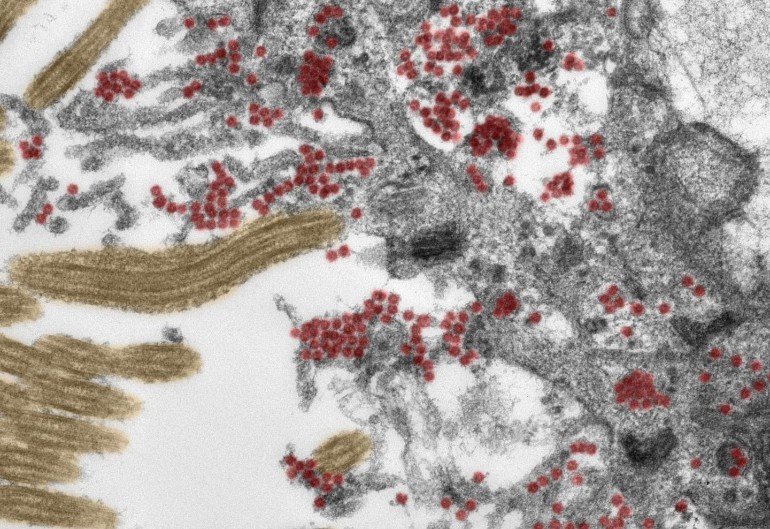
Using post-mortem tissue samples, a team of researchers from Charité – Universitätsmedizin Berlin have studied the mechanisms by which the novel coronavirus can reach the brains of patients with COVID-19, and how the immune system responds to the virus once... Continue Reading →

Alzheimer’s disease is the most common cause of dementia. Still incurable, it directly affects nearly one million people in Europe, and indirectly millions of family members as well as society as a whole. In recent years, the scientific community has... Continue Reading →

We may wish some memories could last a lifetime, but many physical and emotional factors can negatively impact our ability to retain information throughout life. A new study published in the journal Psychological Science found that people who feel enthusiastic and cheerful... Continue Reading →
As people age, they often lose their motivation to learn new things or engage in everyday activities. In a study of mice, MIT neuroscientists have now identified a brain circuit that is critical for maintaining this kind of motivation. This... Continue Reading →

Humans are born with a part of the brain that is prewired to be receptive to seeing words and letters, setting the stage at birth for people to learn how to read, a new study suggests. Analyzing brain scans of... Continue Reading →

A McGill-led multi-institutional research team has discovered that during memory consolidation, there are at least two distinct processes taking place in two different brain networks -- the excitatory and inhibitory networks. The excitatory neurons are involved in creating a memory... Continue Reading →
 Scents of Science