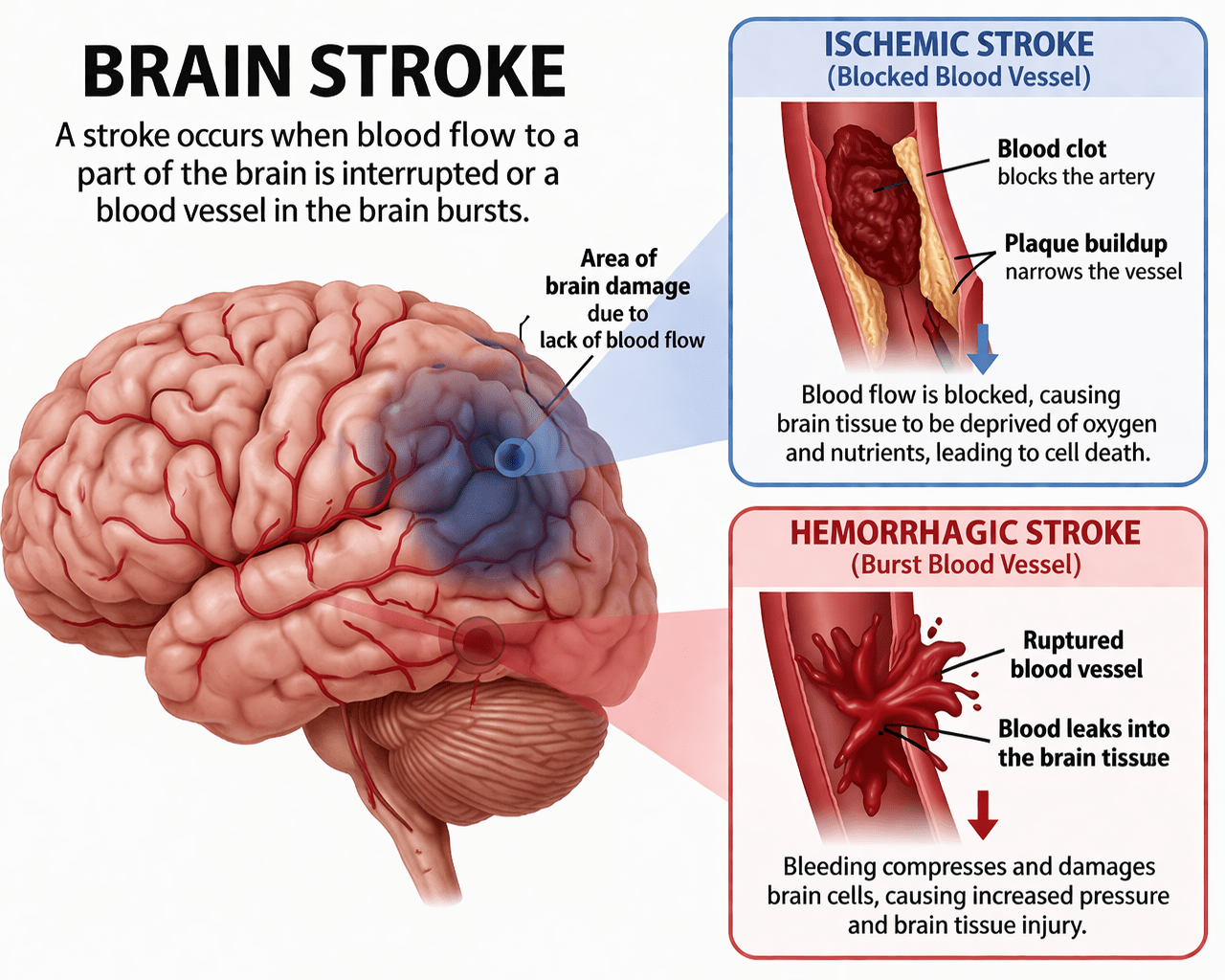
In a new study published in The Lancet Digital Health, scientists at the USC Mark and Mary Stevens Neuroimaging and Informatics Institute (Stevens INI) have discovered that the brains of people who experience severe physical impairment after a stroke may reorganize themselves... Continue Reading →
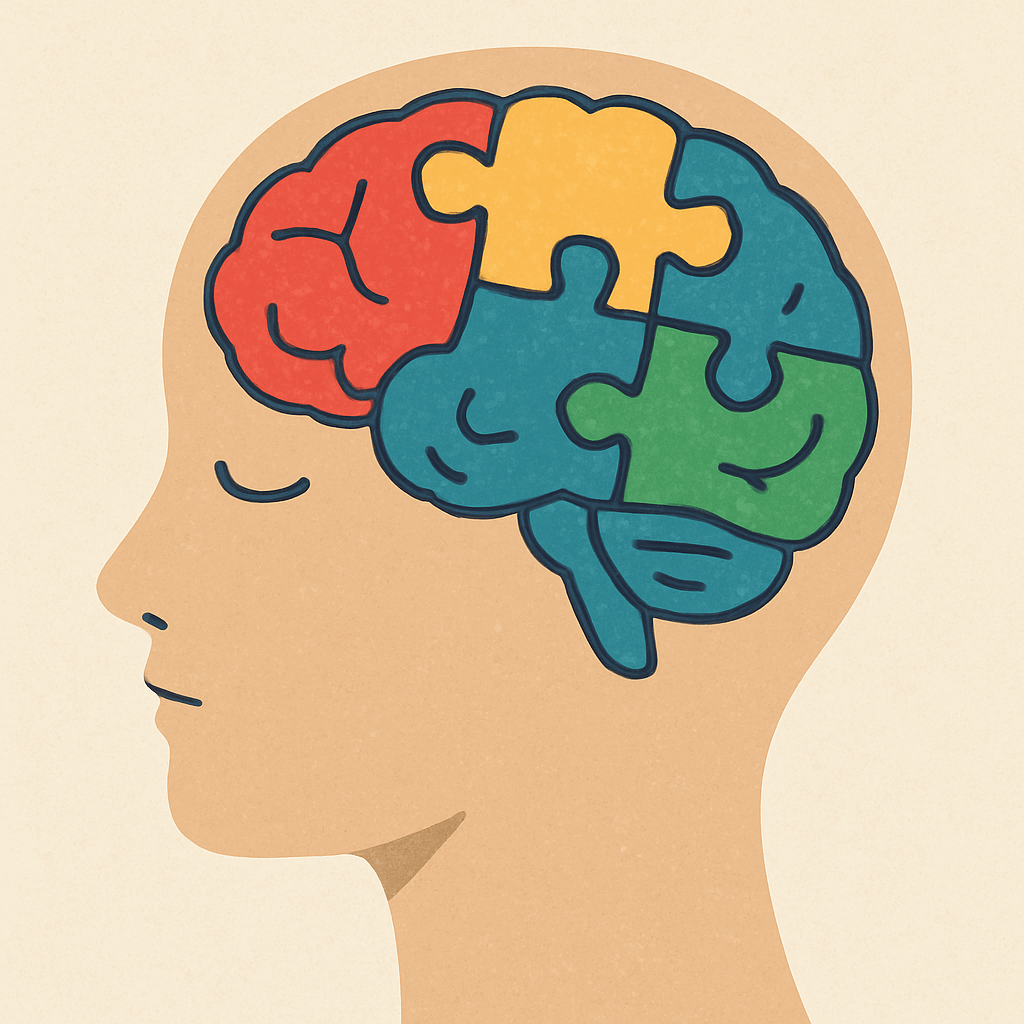
Stanford Medicine scientists investigating the neurological basis of autism spectrum disorder (ASD) have found that hyperactivity in a specific brain region could drive behaviors commonly associated with the disorder. Using the Cntnap2 knockout mouse model, the researchers, led by John Huguenard, PhD,... Continue Reading →
A study of nearly 10,000 adolescents funded by the National Institutes of Health (NIH) has identified distinct differences in the brain structures of those who used substances before age 15 compared to those who did not. Many of these structural brain... Continue Reading →
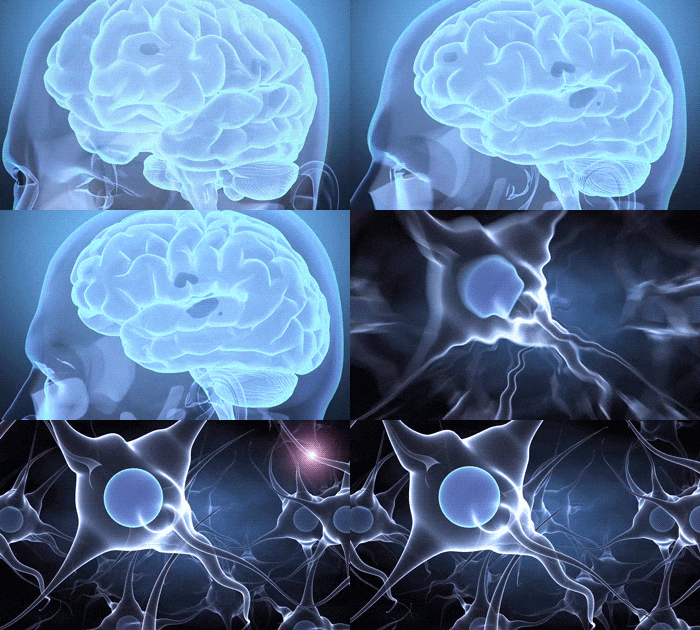
Microgravity is known to alter the muscles, bones, the immune system and cognition, but little is known about its specific impact on the brain. To discover how brain cells respond to microgravity, Scripps Research scientists, in collaboration with the New... Continue Reading →
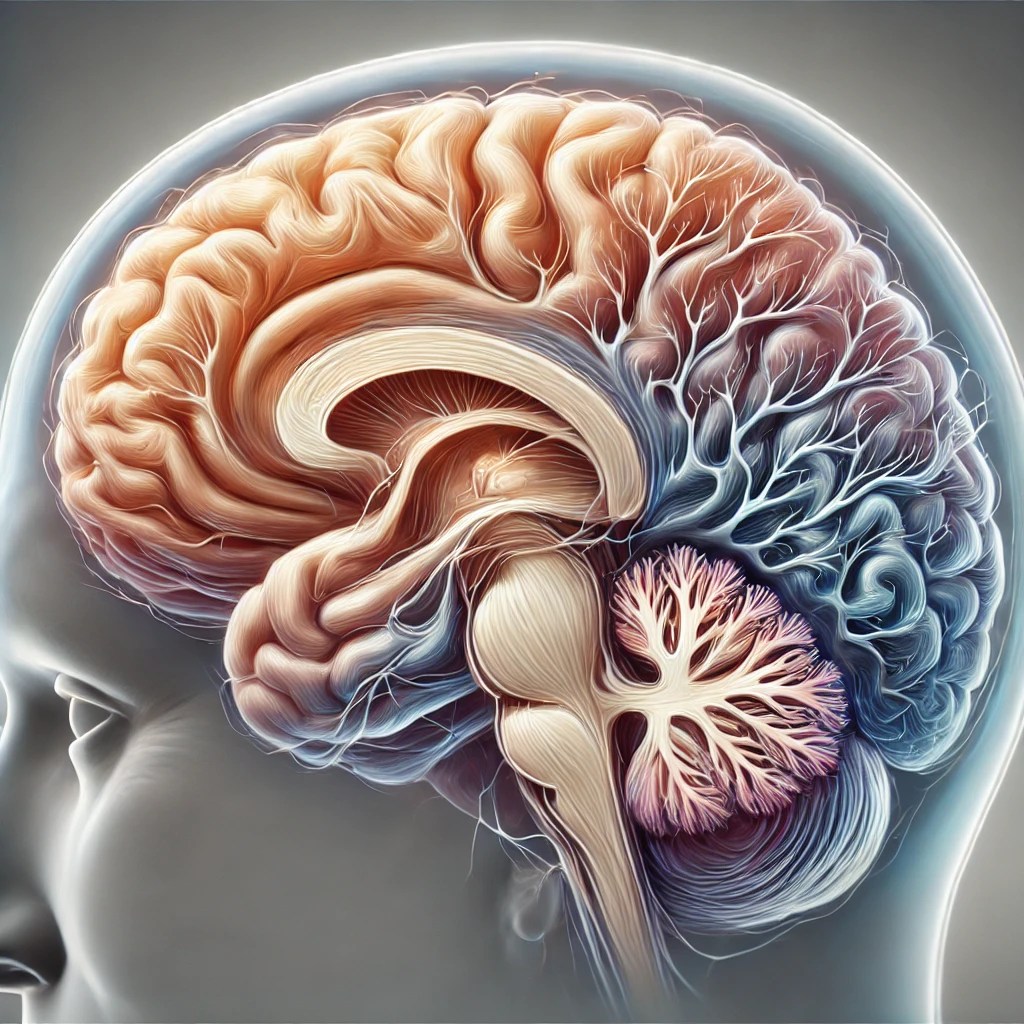
NEW YORK, NY, December 23, 2024 — Researchers with the CUNY ASRC have unveiled a critical mechanism that links cellular stress in the brain to the progression of Alzheimer’s disease (AD). The study, published in the journal Neuron, highlights microglia, the brain’s primary... Continue Reading →
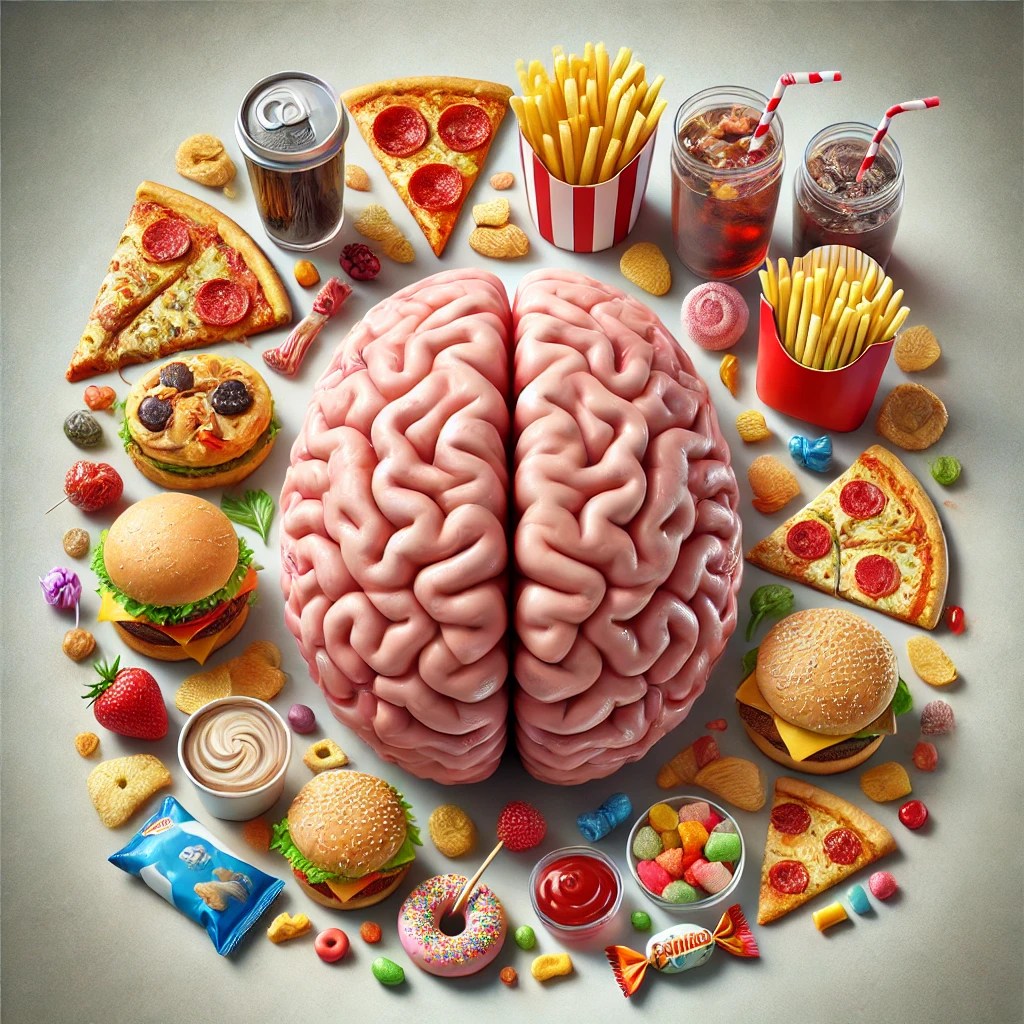
Obesity affects a staggering 40 percent of adults and 20 percent of children in the United States. While some new popular therapies are helping to tackle the epidemic of obesity, there is still so much that researchers do not understand... Continue Reading →

Characterized by their unique adaptations to extreme environments, anglerfish are known for using lures to attract prey. Researchers at Nagoya University in Japan have discovered in frogfish (a subgroup of anglerfish) a specialized motor neuron population in the first dorsal... Continue Reading →
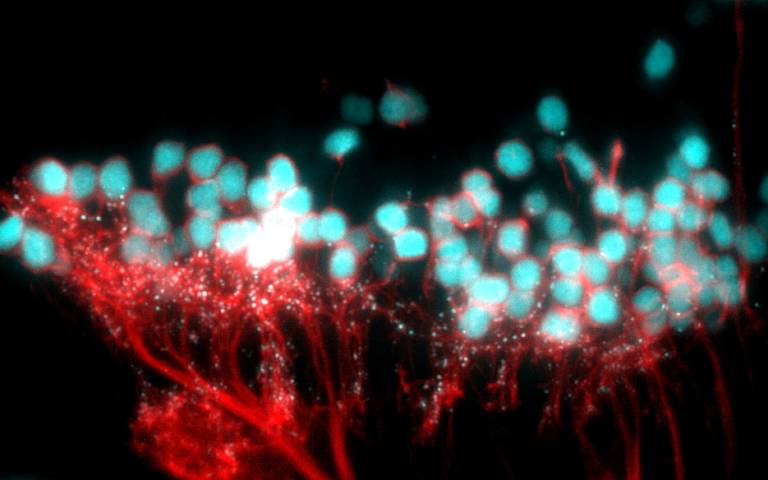
The researchers say their findings, published in Nature, provide insight into the role of sleep, but still leave an open question around what function the latter half of a night’s sleep serves. The researchers say the study supports the Synaptic Homeostasis... Continue Reading →

Restricting calories is known to improve health and increase lifespan, but much of how it does so remains a mystery, especially in regard to how it protects the brain. Buck scientists have uncovered a role for a gene called OXR1 that is... Continue Reading →
 Scents of Science