
To some it looks like a cat's eye. To others, perhaps like a giant cosmic conch shell. It is actually one of the brightest and most highly detailed planetary nebula known, composed of gas expelled in the brief yet glorious phase near the end... Continue Reading →

Can a rocket make the Moon ripple? No, but it can make a background moon appear wavy. The rocket, in this case, was a SpaceX Falcon Heavy that blasted off from NASA's Kennedy Space Center last week. In the featured launch picture, the rocket's exhaust plume glows beyond... Continue Reading →
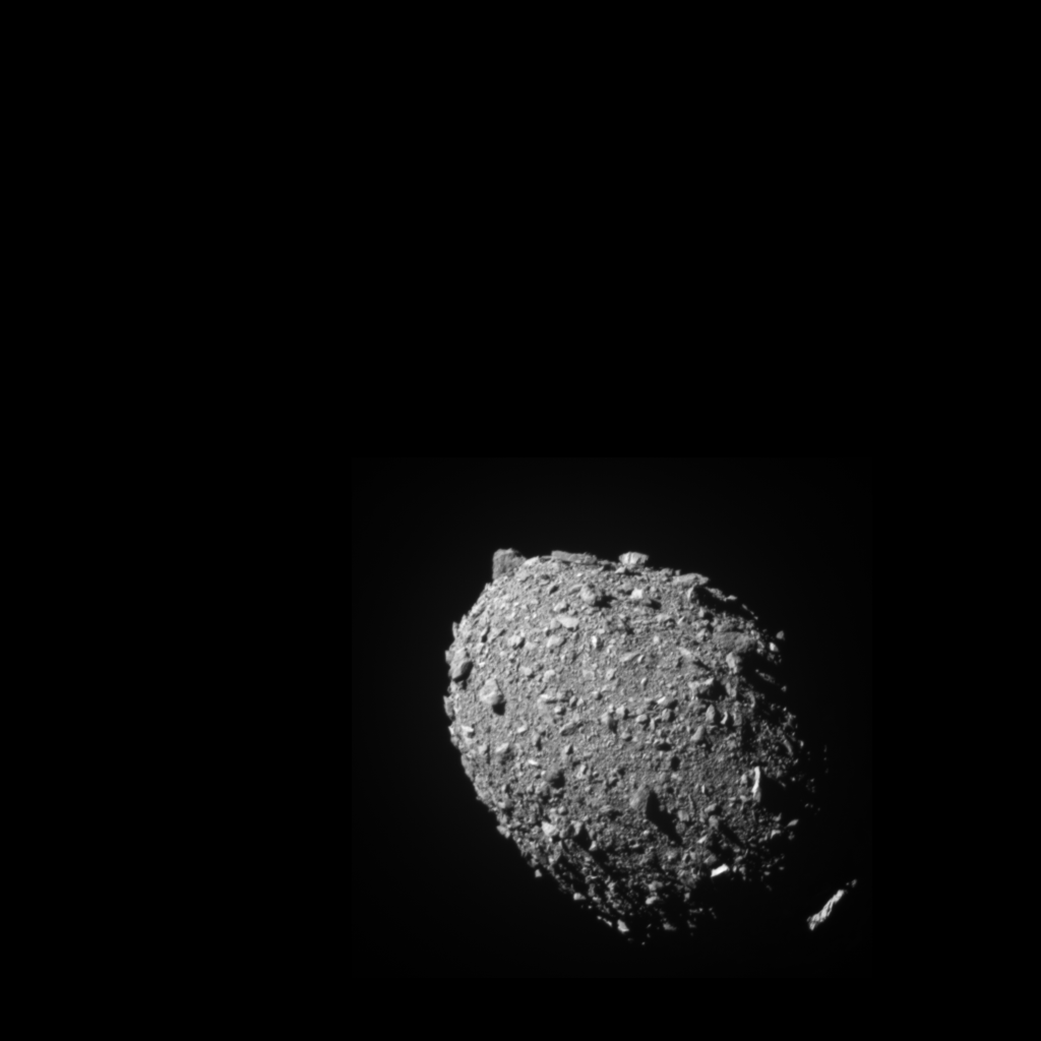
After 10 months flying in space, NASA’s Double Asteroid Redirection Test (DART) – the world’s first planetary defense technology demonstration – successfully impacted its asteroid target on Monday, the agency’s first attempt to move an asteroid in space. Mission control... Continue Reading →

Since May, ESA’s 35-metre Deep Space antenna in Malargüe, Argentina, has been helping to provide ultra-precise measurements of DART’s position with regular tracking time dedicated to the mission in the months leading up to impact. The station creates a geographical... Continue Reading →

Big, beautiful spiral galaxy NGC 7331 is often touted as an analog to our own Milky Way. About 50 million light-years distant in the northern constellation Pegasus, NGC 7331 was recognized early on as a spiral nebula and is actually one of the brighter galaxies not included in... Continue Reading →
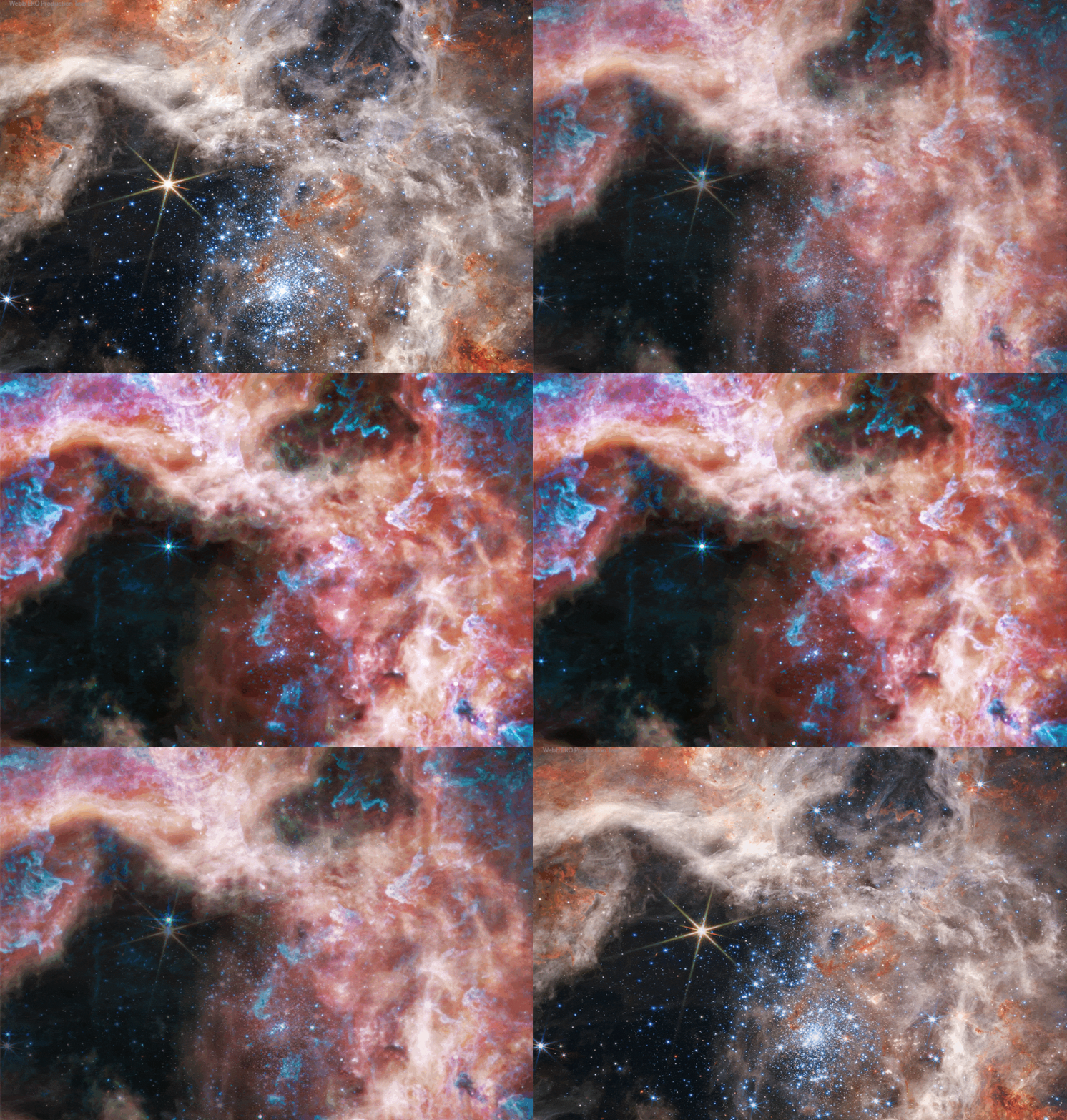
Near the center of a nearby star-forming region lies a massive cluster containing some of the largest and hottest stars known. Collectively known as star cluster NGC 2070, these stars are part of the vast Tarantula Nebula and were captured in two kinds... Continue Reading →
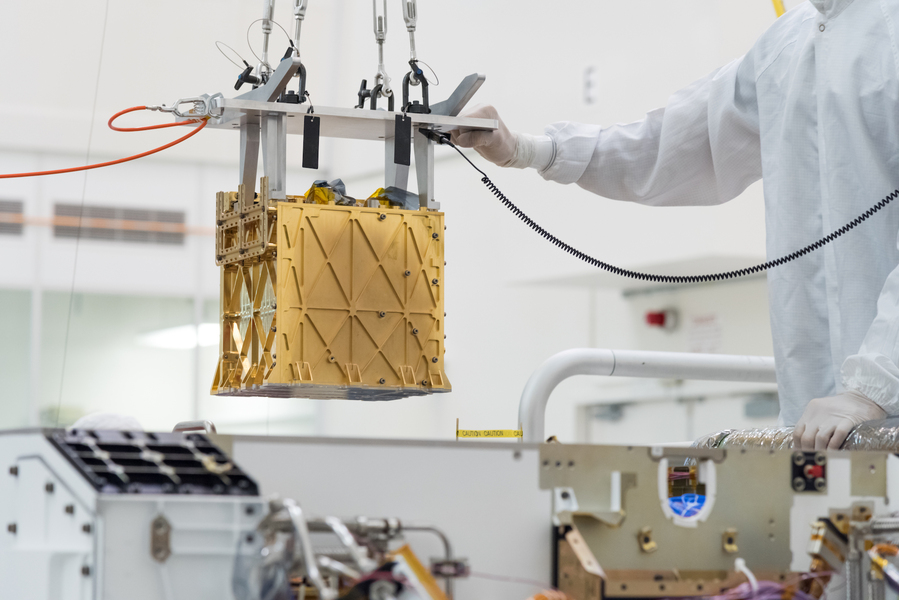
On the red and dusty surface of Mars, nearly 100 million miles from Earth, an instrument the size of a lunchbox is proving it can reliably do the work of a small tree. The MIT-led Mars Oxygen In-Situ Resource Utilization... Continue Reading →
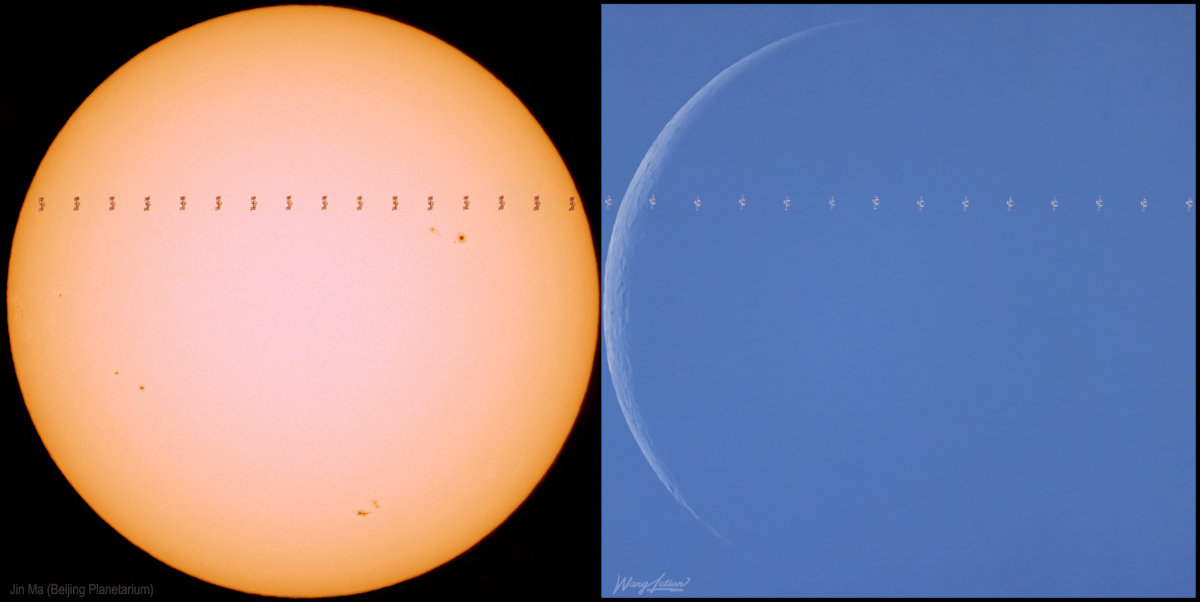
On August 25 Sun and Moon could both be seen in planet Earth's daytime skies. And so could the International Space Station. The ISS crossed the disk of the waning crescent Moon as seen from Shunyi district, Beijing, China at about... Continue Reading →
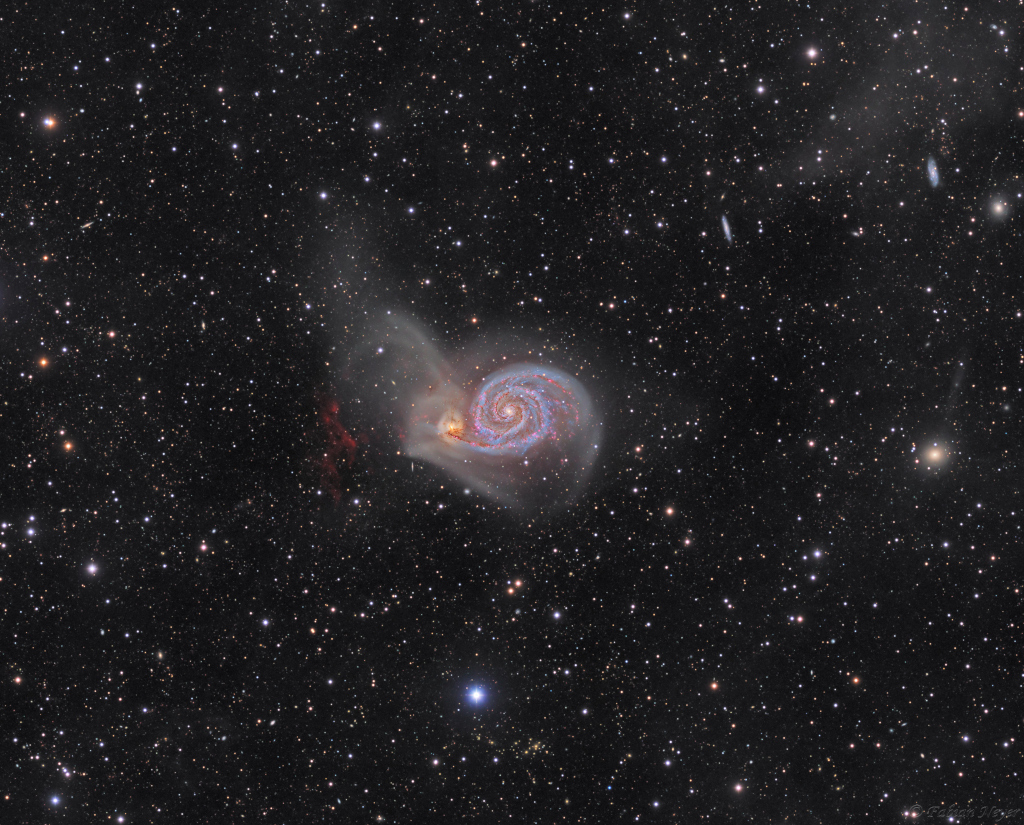
Find the Big Dipper and follow the handle away from the dipper's bowl until you get to the last bright star. Then, just slide your telescope a little south and west and you'll come upon this stunning pair of interacting galaxies, the 51st entry in... Continue Reading →
 Scents of Science