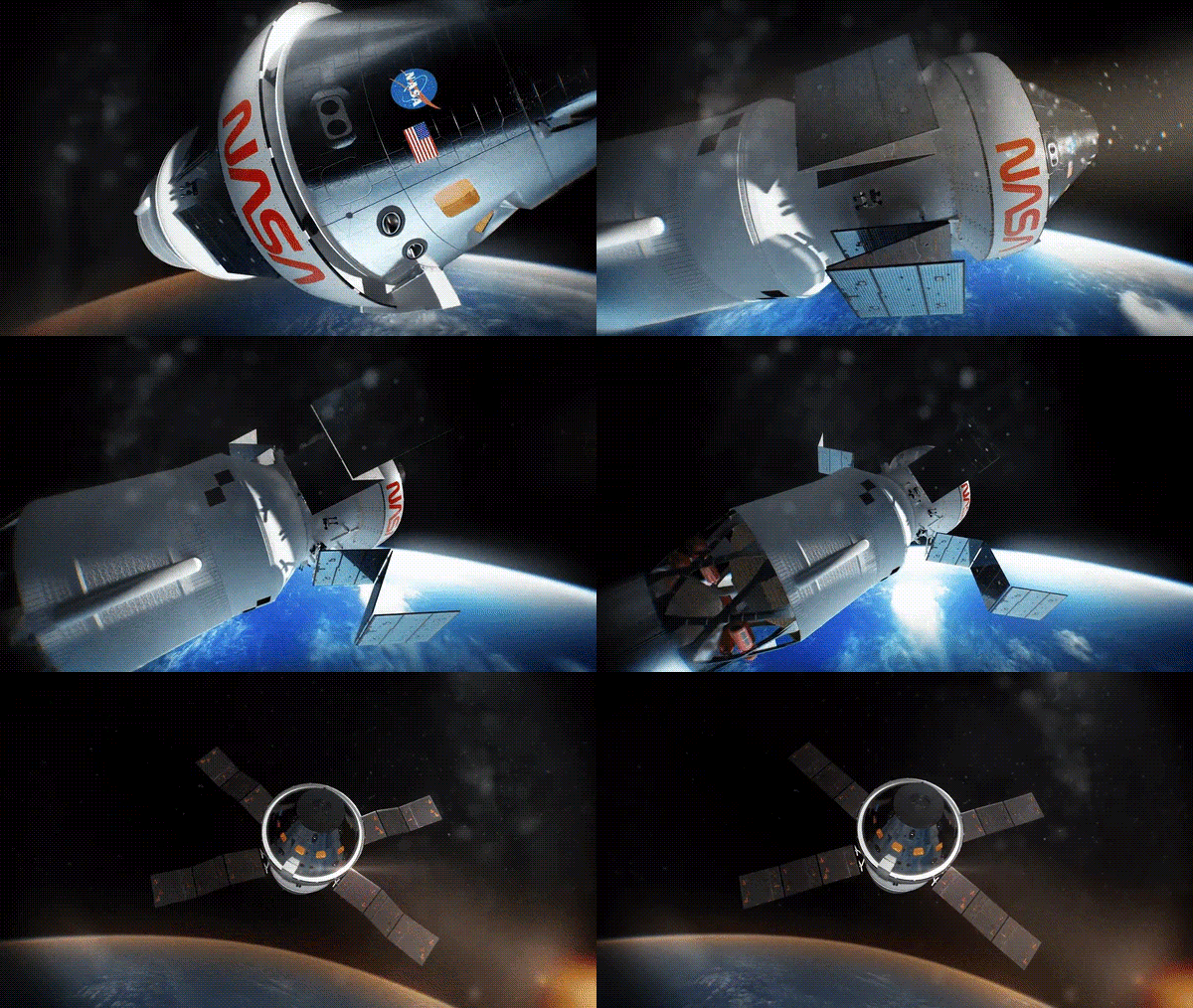
After extensive analysis and testing, NASA has identified the technical cause of unexpected char loss across the Artemis I Orion spacecraft’s heat shield. Engineers determined as Orion was returning from its uncrewed mission around the Moon, gases generated inside the... Continue Reading →
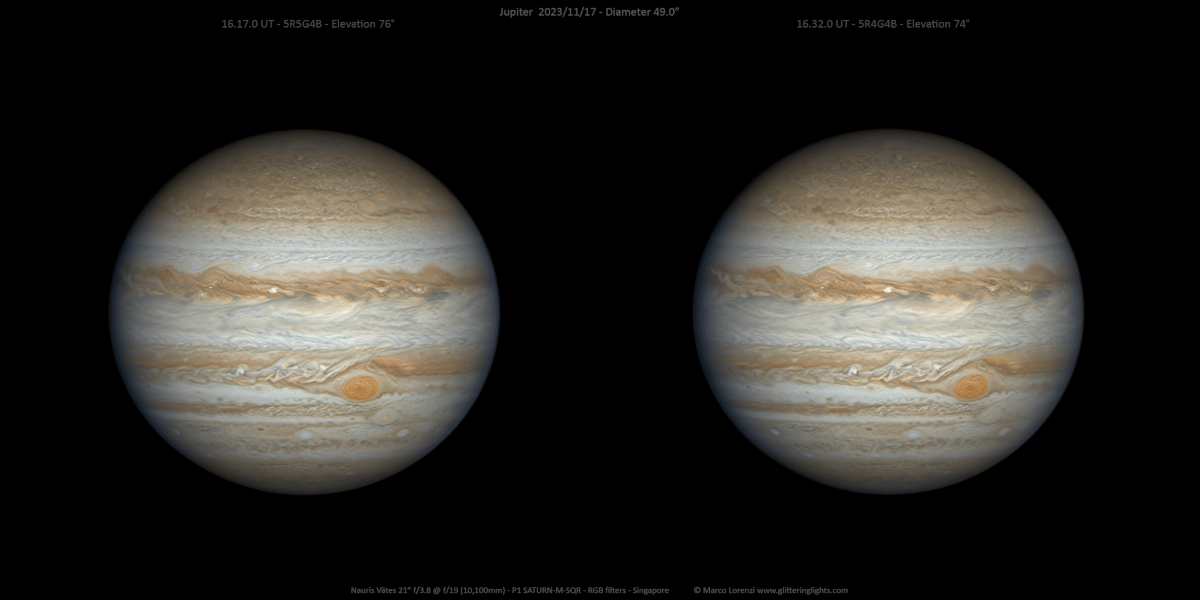
Jupiter looks sharp in these two rooftop telescope images. Both were captured last year on November 17 from Singapore, planet Earth, about two weeks after Jupiter's 2023 opposition. Climbing high in midnight skies the giant planet was a mere 33.4 light-minutes from... Continue Reading →
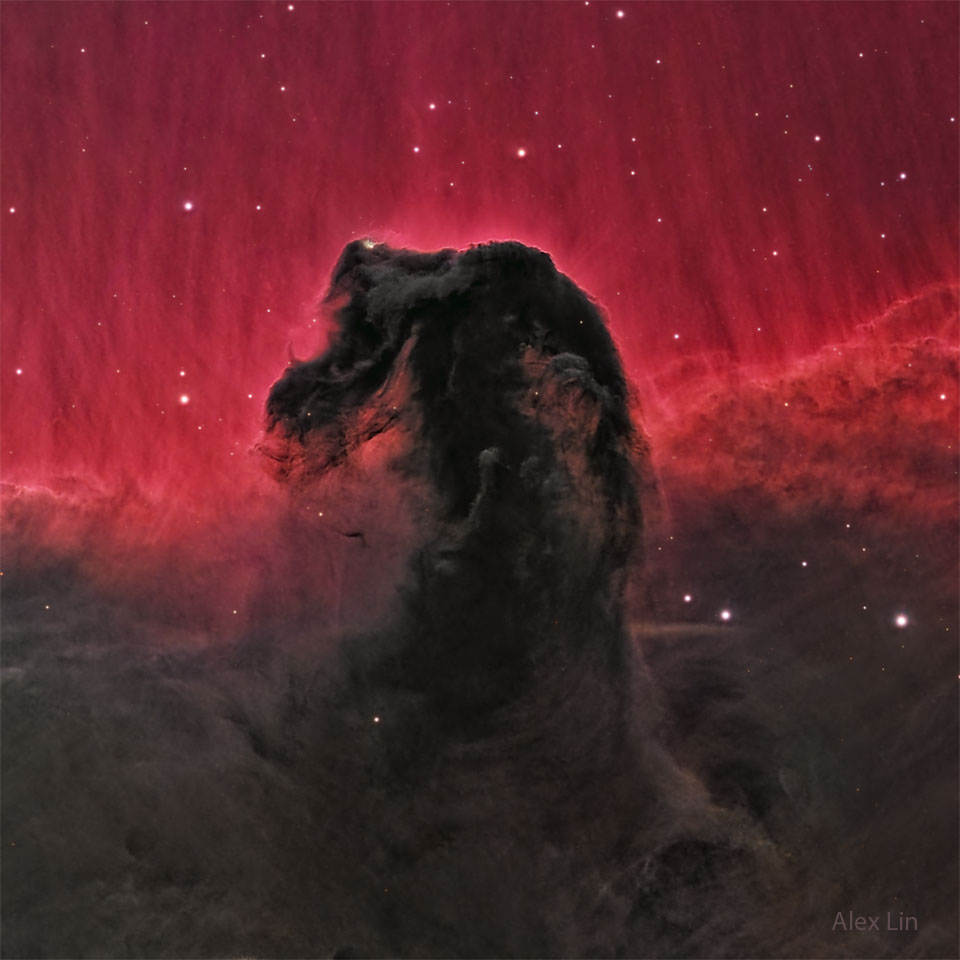
One of the most identifiable nebulas in the sky, the Horsehead Nebula in Orion, is part of a large, dark, molecular cloud. Also known as Barnard 33, the unusual shape was first discovered on a photographic plate in the late 1800s. The red glow originates from hydrogen gas predominantly behind the nebula,... Continue Reading →
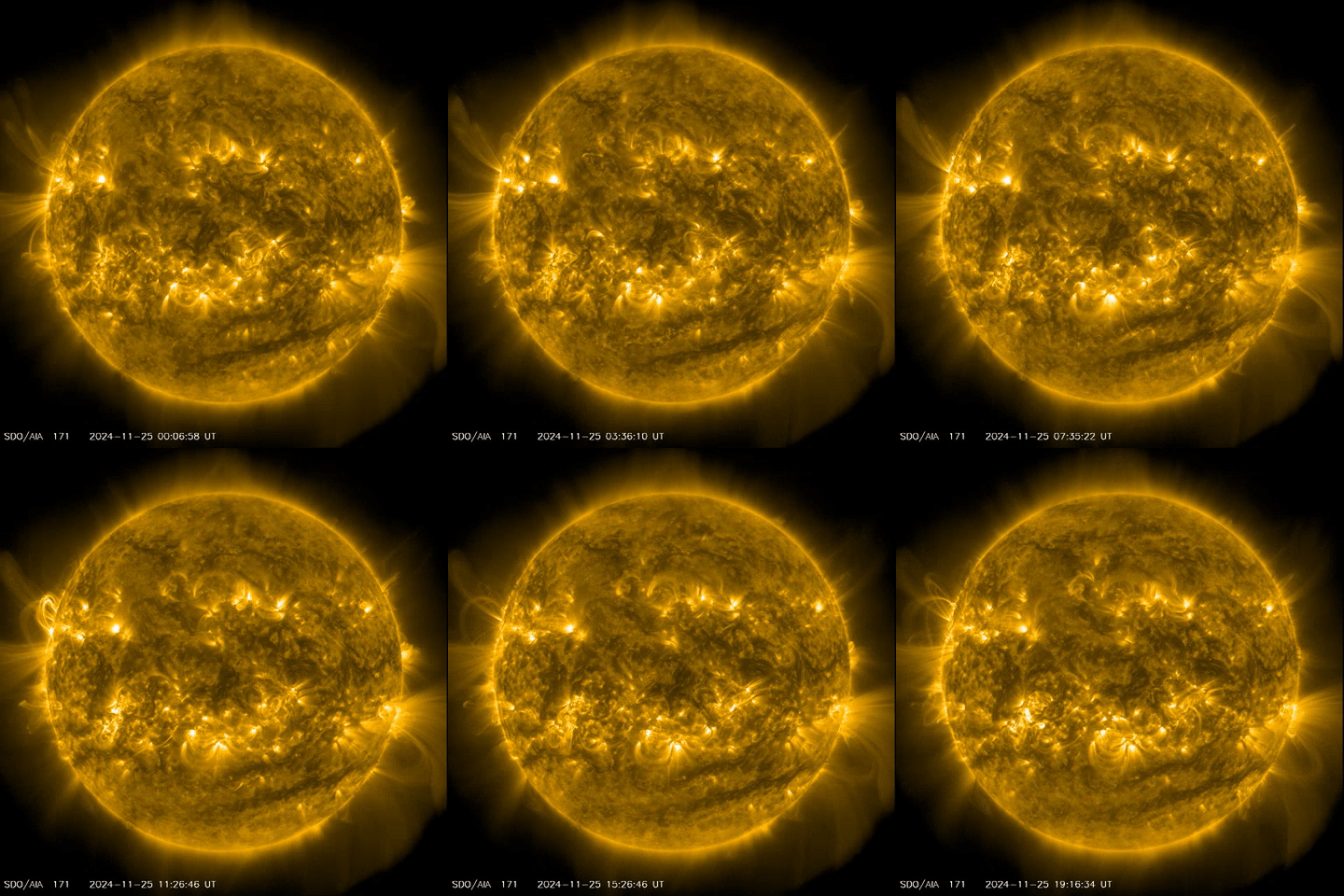
The Sun, our life-sustaining star, is not just a serene orb of light but an immense, dynamic sphere of energy with a profoundly complex magnetic field. Among its many phenomena, solar flares stand out as some of the most dramatic... Continue Reading →
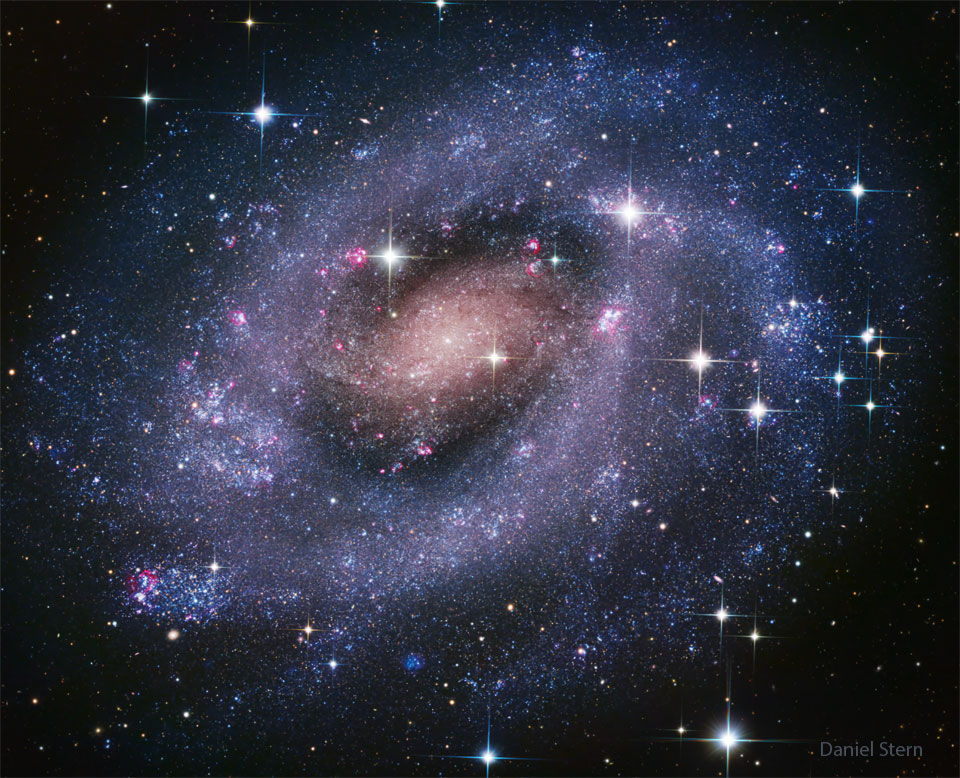
This galaxy is unusual for how many stars it seems that you can see. Stars are so abundantly evident in this deep exposure of the spiral galaxy NGC 300 because so many of these stars are bright blue and grouped into resolvable bright star... Continue Reading →

A mere 280 light-years from Earth, tidally locked, Jupiter-sized exoplanet WASP-43b orbits its parent star once every 0.8 Earth days. That puts it about 2 million kilometers (less than 1/25th the orbital distance of Mercury) from a small, cool sun.... Continue Reading →
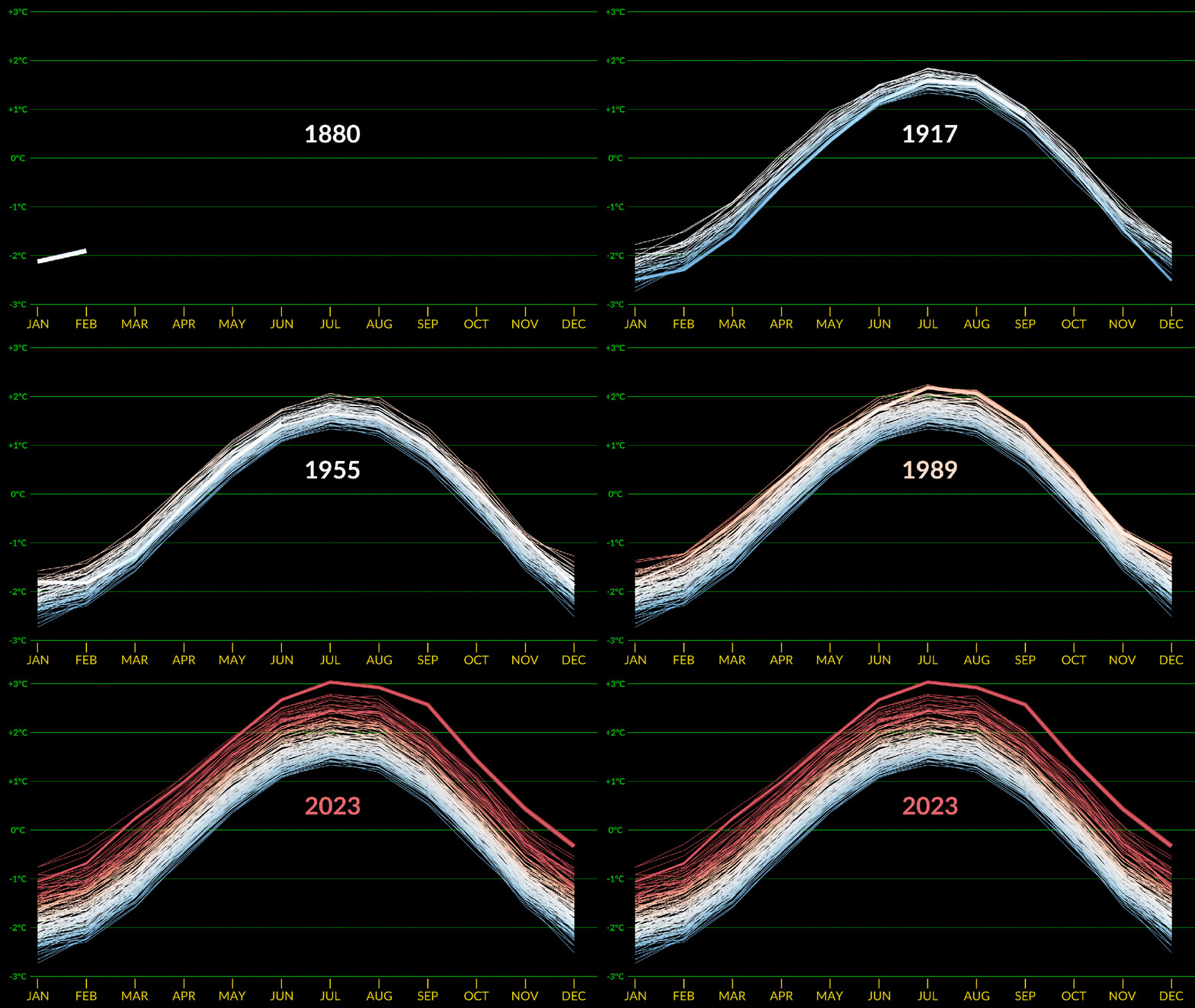
Earth’s average surface temperature in 2023 was the warmest on record, according to an analysis by NASA. Global temperatures last year were around 2.1 degrees Fahrenheit (1.2 degrees Celsius) above the average for NASA’s baseline period (1951-1980), scientists from NASA’s... Continue Reading →

Sometimes, it's the stars that are the hardest to see that are the most interesting. IC 348 is a young star cluster that illuminates surrounding filamentary dust. The stringy and winding dust appears pink in this recently released infrared image from the Webb Space Telescope.... Continue Reading →

Carrying NASA scientific instruments as part of its Commercial Lunar Payload Services initiative, Astrobotic’s Peregrine lander launched on United Launch Alliance’s (ULA) Vulcan rocket at 2:18 a.m. EST from Launch Complex 41 at Cape Canaveral Space Force Station in Florida. Peregrine has... Continue Reading →
 Scents of Science