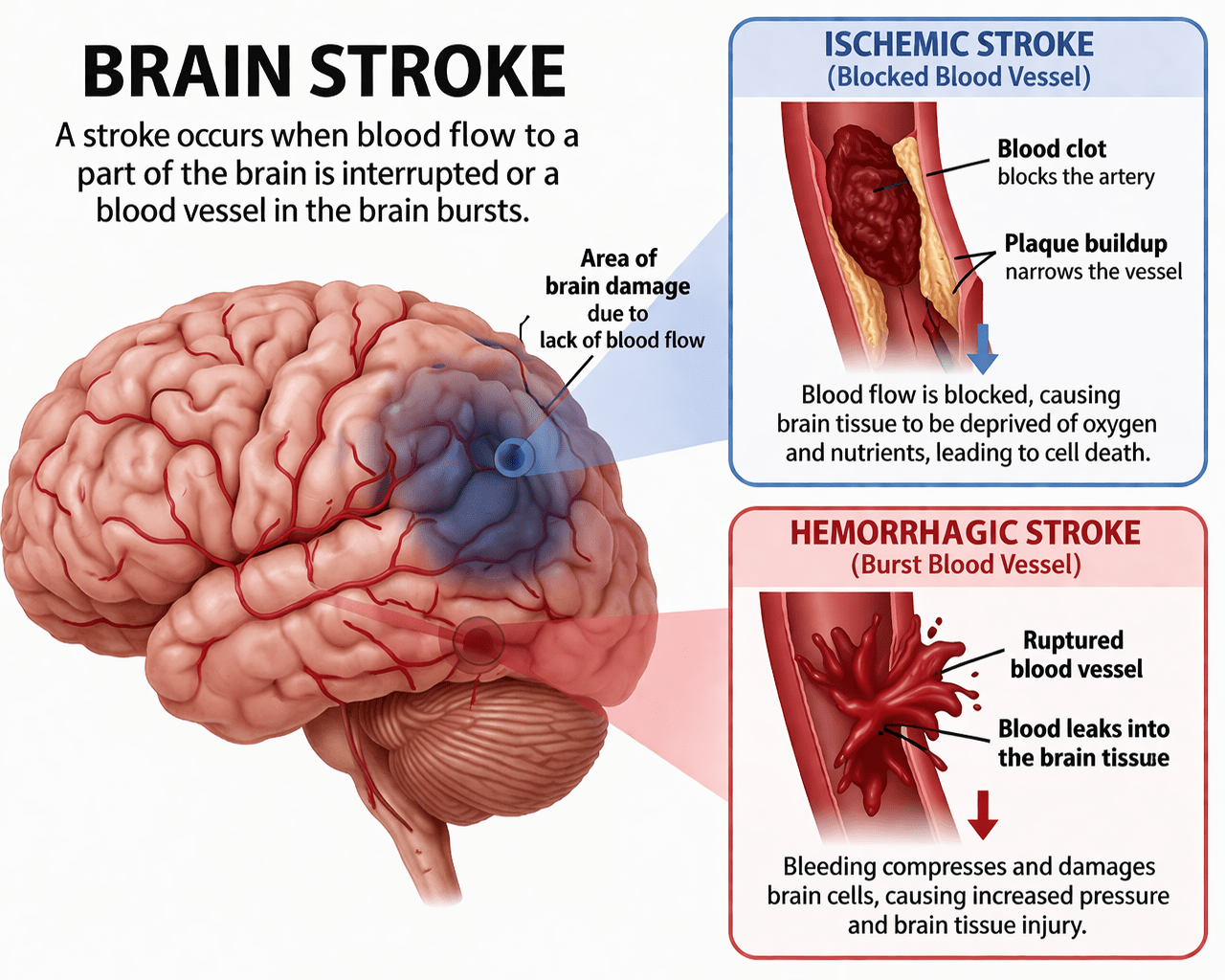
In a new study published in The Lancet Digital Health, scientists at the USC Mark and Mary Stevens Neuroimaging and Informatics Institute (Stevens INI) have discovered that the brains of people who experience severe physical impairment after a stroke may reorganize themselves... Continue Reading →
A landmark paper published in The Lancet Psychiatry – the largest-ever review of the safety and efficacy of cannabinoids across a range of mental health conditions – found no evidence that medicinal cannabis is effective in treating anxiety, depression or post-traumatic stress disorder (PTSD). The study comes... Continue Reading →
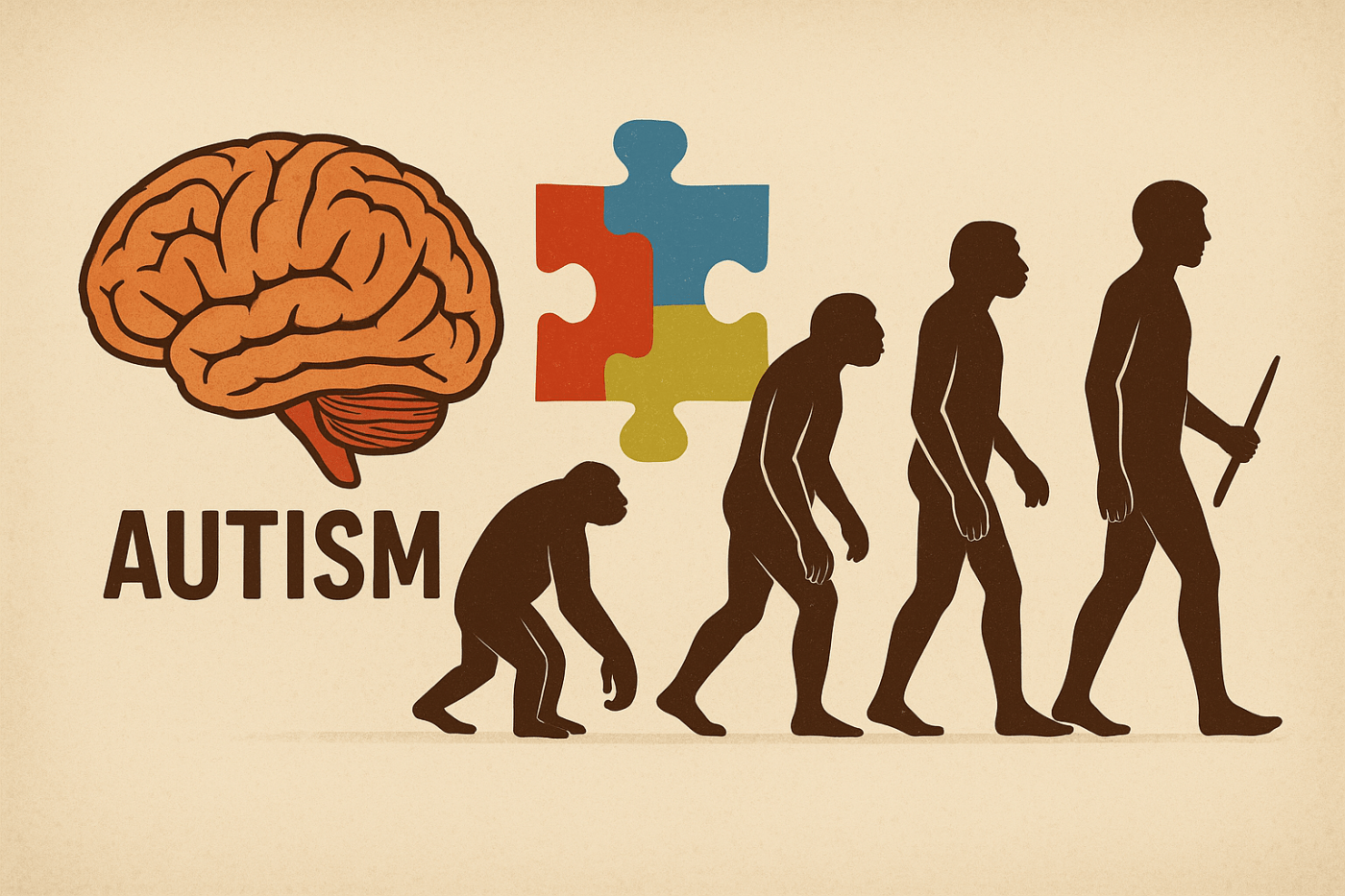
A new paper in Molecular Biology and Evolution, published by Oxford University Press, finds that the relatively high rate of Autism-spectrum disorders in humans is likely due to how humans evolved in the past. About one in 31 (3.2%) children in the... Continue Reading →
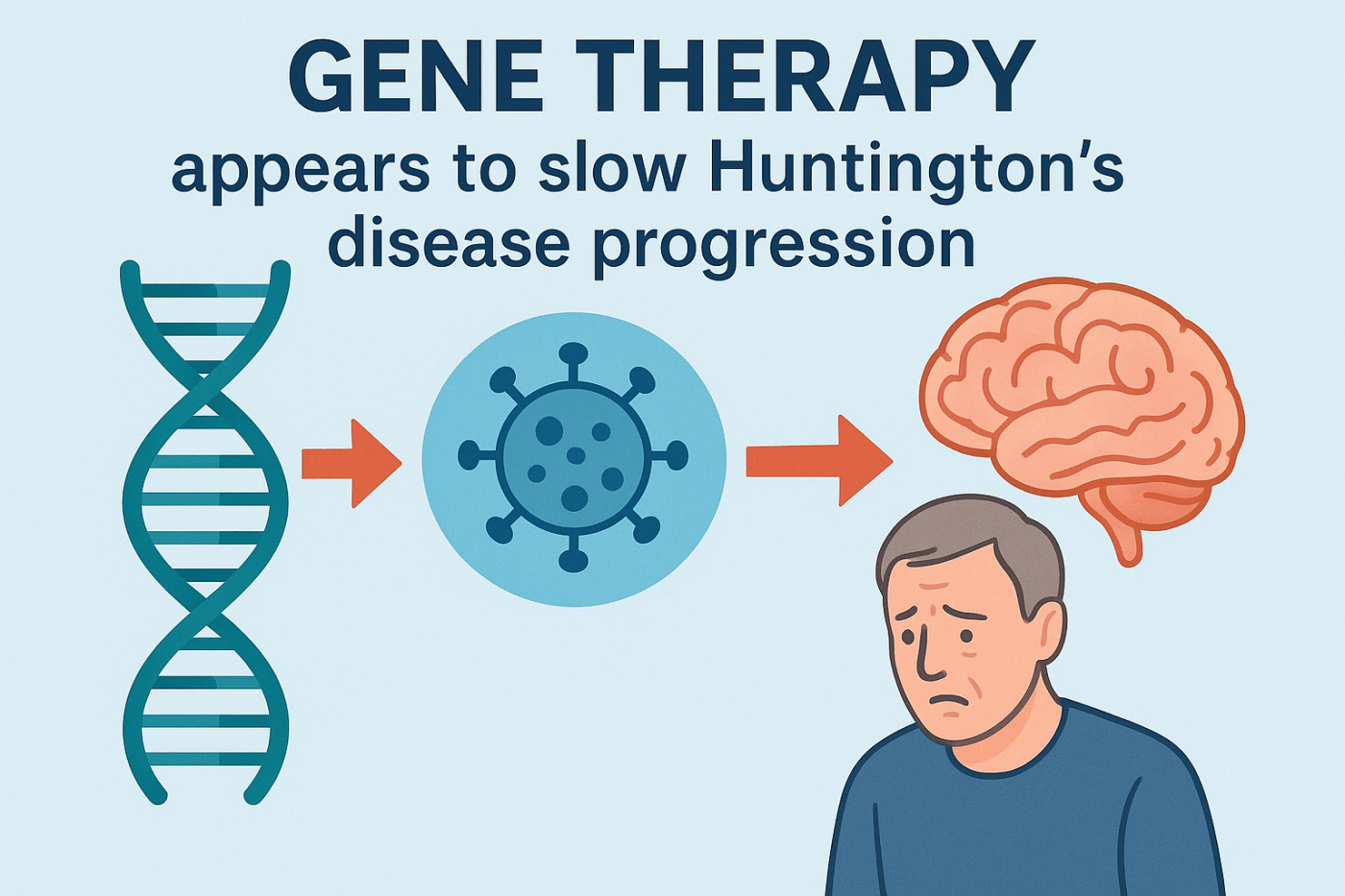
The researchers found that patients receiving the treatment experienced 75% less progression of the disease overall, compared to a matched cohort of people with Huntington’s who were not receiving the treatment. This is the first time a drug trial has... Continue Reading →

We are given this strange and fleeting gift: to live in a world where everything breathes and breaks at once. We walk through seasons of laughter and shadow, through the rise and fall of days that do not ask for... Continue Reading →
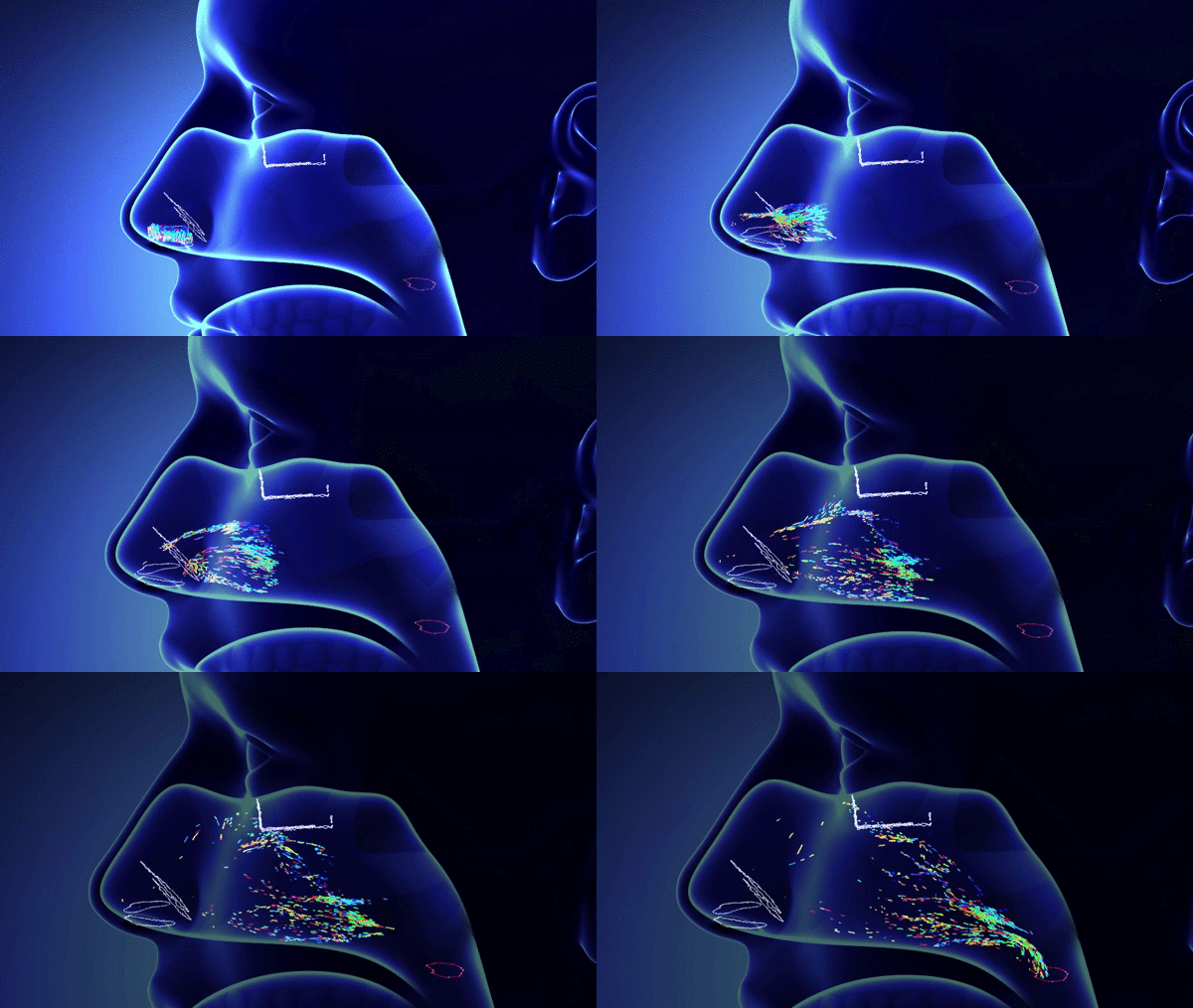
Flavoured drinks without sugar can be perceived as sweet – and now researchers know why. A new study from Karolinska Institutet in Sweden, published in the journal Nature Communications, reveals that the brain interprets certain aromas as taste. When we eat... Continue Reading →
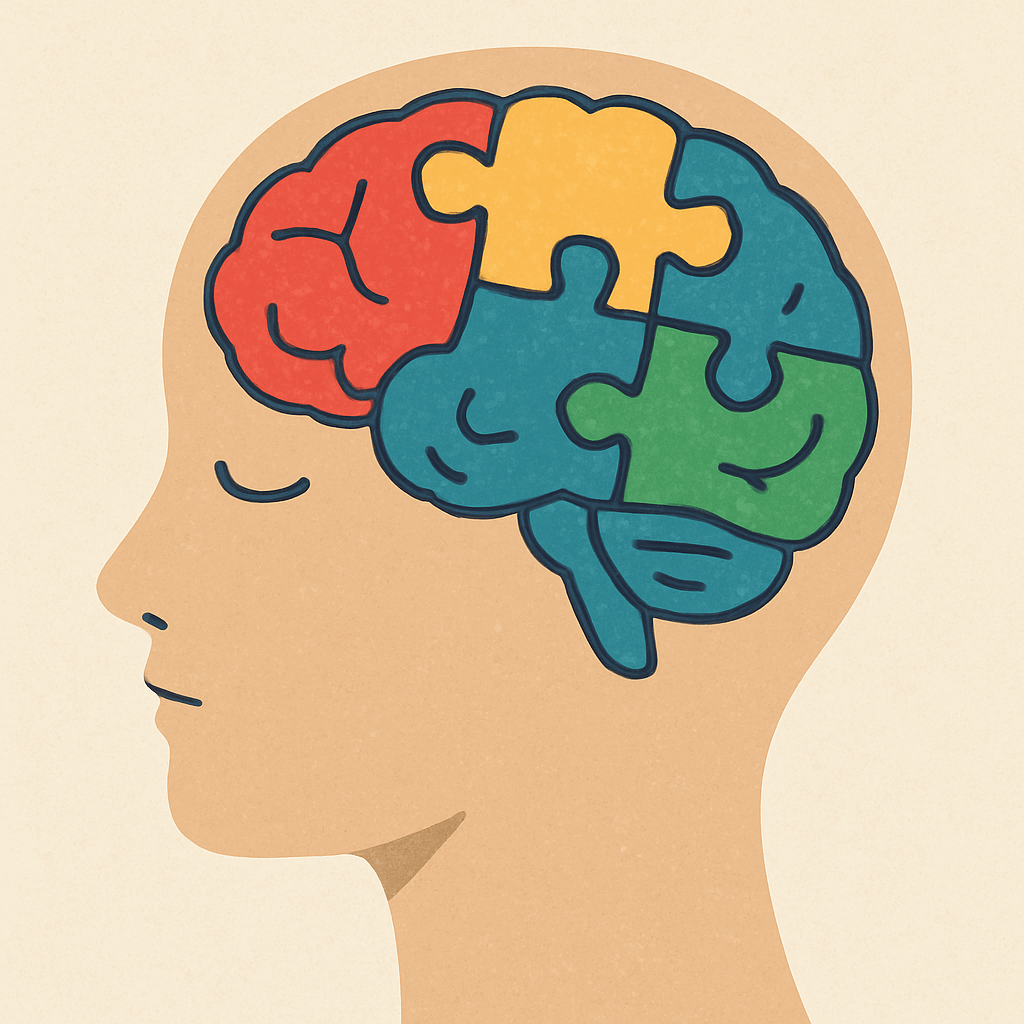
Stanford Medicine scientists investigating the neurological basis of autism spectrum disorder (ASD) have found that hyperactivity in a specific brain region could drive behaviors commonly associated with the disorder. Using the Cntnap2 knockout mouse model, the researchers, led by John Huguenard, PhD,... Continue Reading →

Researchers at Karolinska Institutet in Sweden have discovered a fundamental mechanism that affects the size of the pupil, namely our breathing. The study, published in The Journal of Physiology, shows that the pupil is smallest during inhalation and largest during... Continue Reading →

Stanford Medicine researchers find that ibogaine, a plant-based psychoactive compound, safely led to improvements in depression, anxiety and functioning among veterans with traumatic brain injuries. For military veterans, many of the deepest wounds of war are invisible: Traumatic brain injuries... Continue Reading →
 Scents of Science