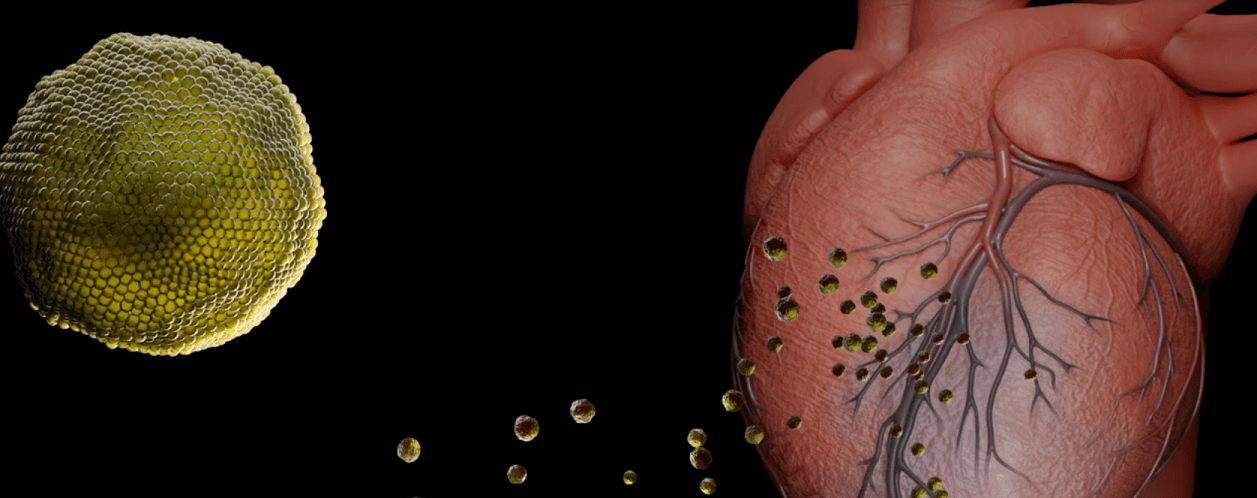
Extracellular vesicles (EVs) -- nanometer sized messengers that travel between cells to deliver cues and cargo -- are promising tools for the next generation of therapies for everything from autoimmune and neurodegenerative diseases to cancer and tissue injury. EVs derived... Continue Reading →
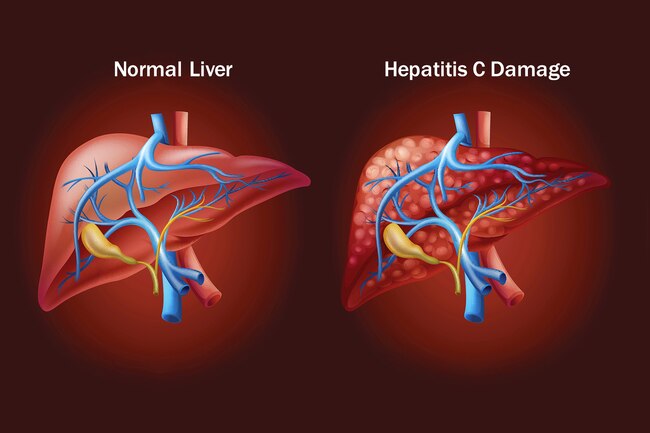
The Nobel Assembly at Karolinska Institutet has today decided to award the 2020 Nobel Prize in Physiology or Medicine jointly to Harvey J. Alter, Michael Houghton and Charles M. Rice for the discovery of Hepatitis C virus. This year's Nobel... Continue Reading →

Although the name may suggest otherwise, Parkinson's disease is not one but two diseases, starting either in the brain or in the intestines. Which explains why patients with Parkinson's describe widely differing symptoms, and points towards personalised medicine as the... Continue Reading →

Scientists at Johns Hopkins Medicine using MRI scans and computer modeling say they have further pinpointed areas of the human brain that regulate efforts to deal with fatigue. The findings, they say, could advance the development of behavioral and other... Continue Reading →

One of the immune system's oldest branches, called complement, may be influencing the severity of COVID disease, according to a new study from researchers at Columbia University Irving Medical Center. Among other findings linking complement to COVID, the researchers found... Continue Reading →
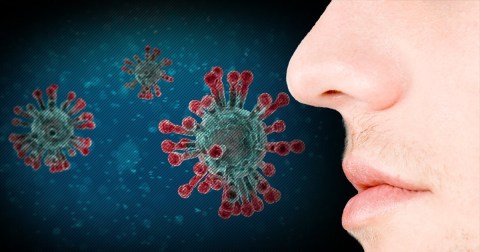
Temporary loss of smell, or anosmia, is the main neurological symptom and one of the earliest and most commonly reported indicators of COVID-19. Studies suggest it better predicts the disease than other well-known symptoms such as fever and cough, but... Continue Reading →
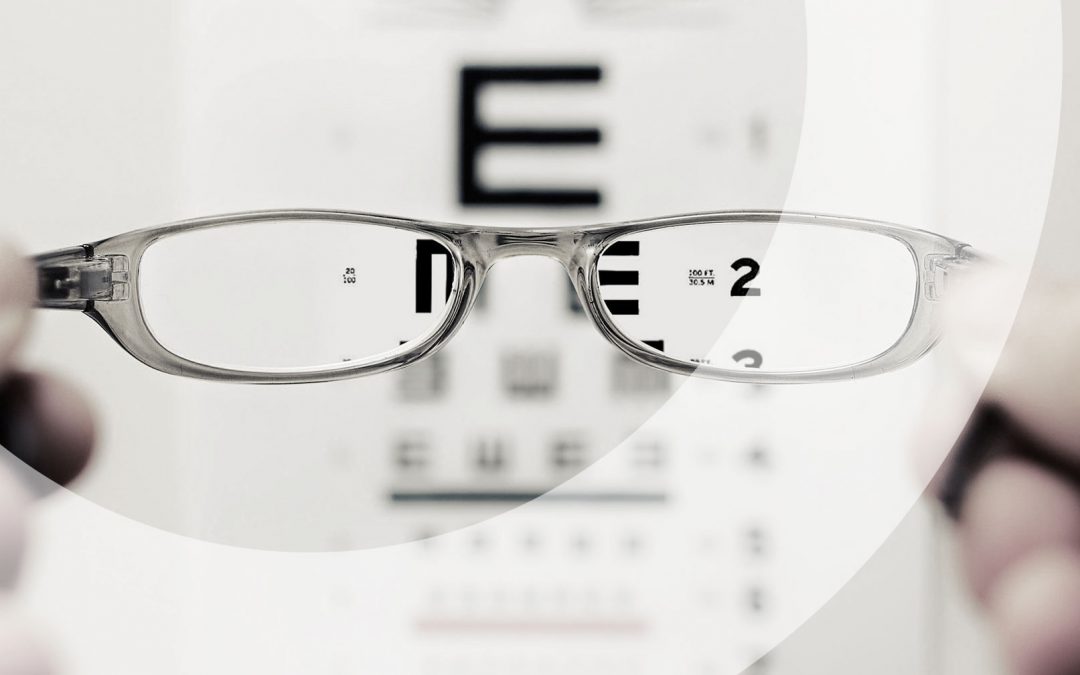
Staring at a deep red light for three minutes a day can significantly improve declining eyesight, finds a new UCL-led study, the first of its kind in humans. Scientists believe the discovery, published in the Journals of Gerontology, could signal the... Continue Reading →
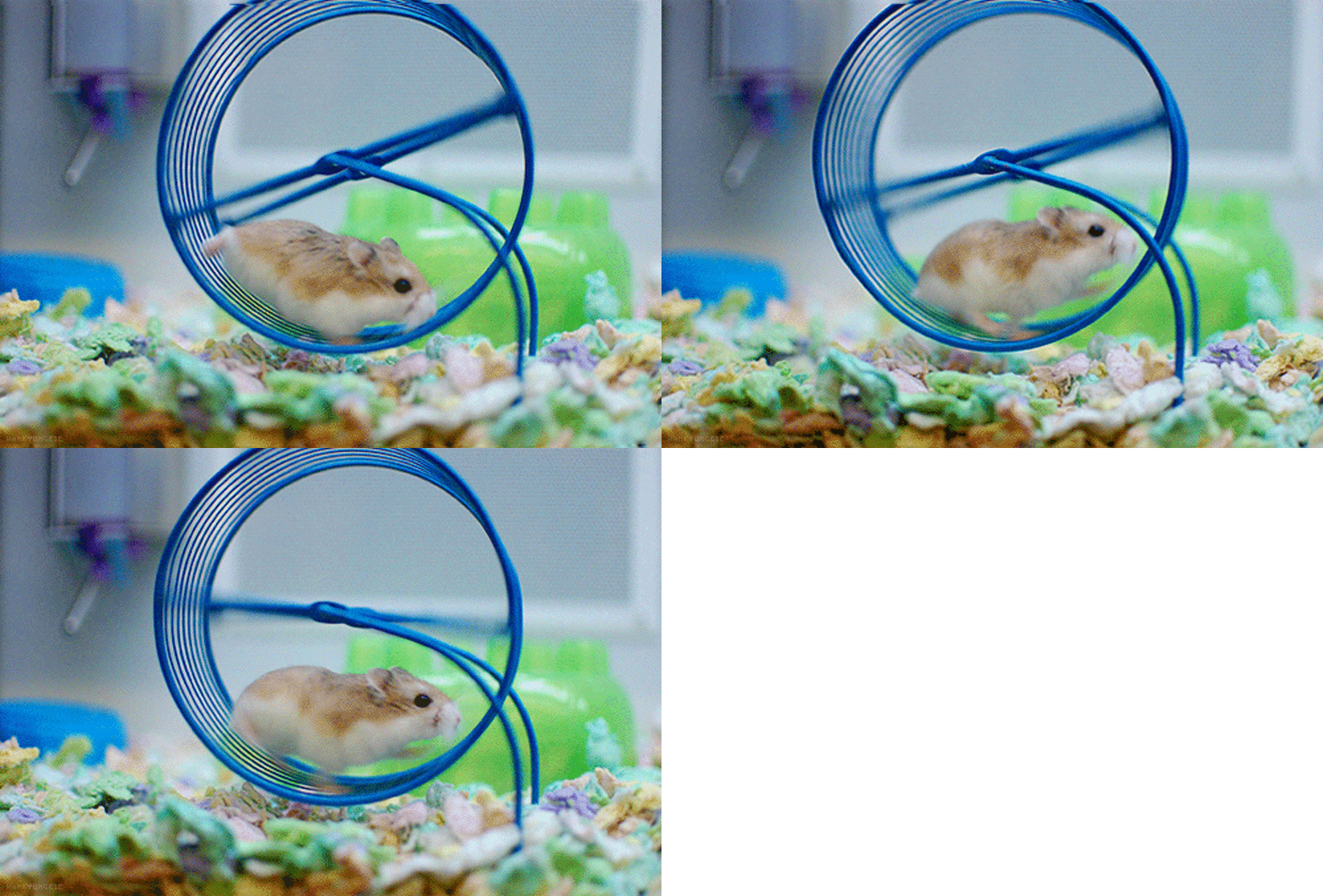
Increasing abdominal girth and shrinking muscles are two common side effects of aging. Researchers at the University of Bonn have discovered a receptor in mice that regulates both effects. Experiments with human cell cultures suggest that the corresponding signaling pathways... Continue Reading →

Obesity affects more than 40 percent of adults in the United States and 13 percent of the global population. With obesity comes a variety of other interconnected diseases including cardiovascular disease, diabetes, and fatty liver disease, which makes the disease... Continue Reading →
 Scents of Science