
Indiana University researchers are advancing knowledge about how bacteria build their cell walls that could contribute to the search for new antibacterial drugs. They have created a new tool to observe living cells in real time under a microscope. "If... Continue Reading →

Dyslexia, a reading disorder, is characterized by a difficulty in “decoding” — navigating between the visual form and sounds of a written language. But a subset of dyslexic people, dubbed “resilient dyslexics,” exhibit remarkably high levels of reading comprehension despite... Continue Reading →

A Mount Sinai study, published in the journal Nature Neuroscience, provides important insight into how microglia, cells that form a branch of the immune system inside the brain, go about their job of clearing out dying and non-functional neurons – and... Continue Reading →

Long-term use of either cannabis or cannabis-based drugs impairs memory say researchers. The study has implications for both recreational users and people who use the drug to combat epilepsy, multiple sclerosis and chronic pain. They found that mice exposed to the drug... Continue Reading →

A growing collection of anecdotal stories raises the possibility that nerve injury in an arm or a leg can act as a trigger for the development amyotrophic lateral sclerosis, or ALS -- a progressive neurodegenerative disease also known as Lou... Continue Reading →

Athletes know a vigorous workout can release a flood of endorphins: "feel-good" hormones that boost mood. Now there's evidence that exercise produces another hormone that may improve memory and protect against Alzheimer's disease, according to a study co-led by Ottavio... Continue Reading →

simple drug cocktail that converts cells neighboring damaged neurons into functional new neurons could potentially be used to treat stroke, Alzheimer's disease, and brain injuries. A team of researchers at Penn State identified a set of four, or even three,... Continue Reading →
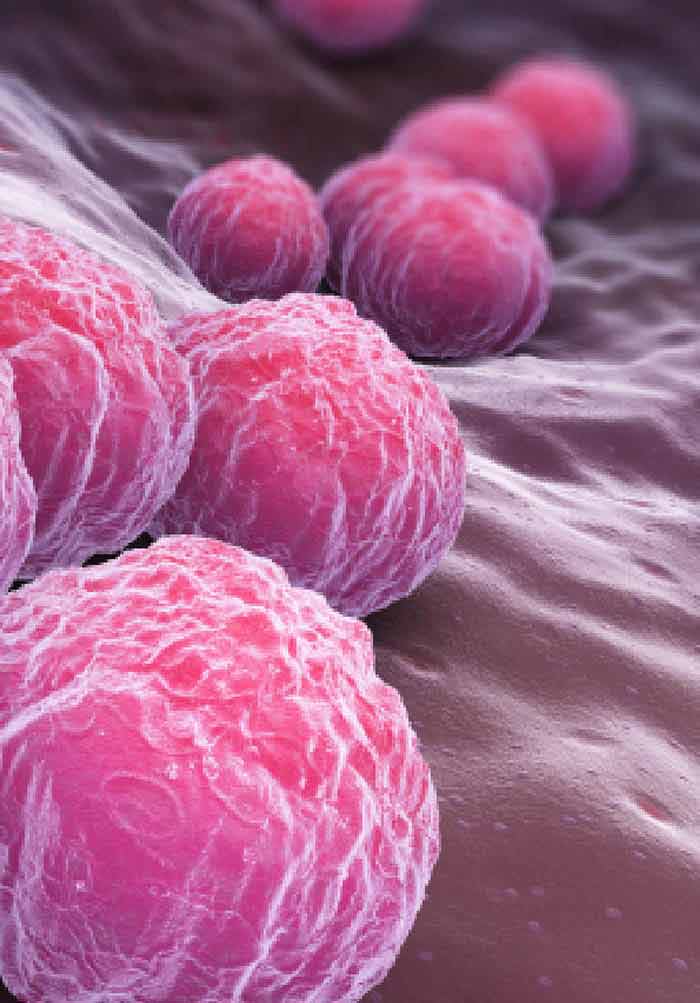
Researchers at the University of Waterloo have developed a new way to prevent and treat Chlamydia, the most common sexually transmitted bacterial infection in the world. The new treatment differs from the traditional anti-biotic treatment as it is a type... Continue Reading →

MYC, a gene with high cancer-initiating potential, is overexpressed in over 40% of breast cancers. While MYC programs breast cancer cells to build more macromolecules (anabolic metabolism) it also creates a metabolic vulnerability by making them more sensitive to a... Continue Reading →
 Scents of Science