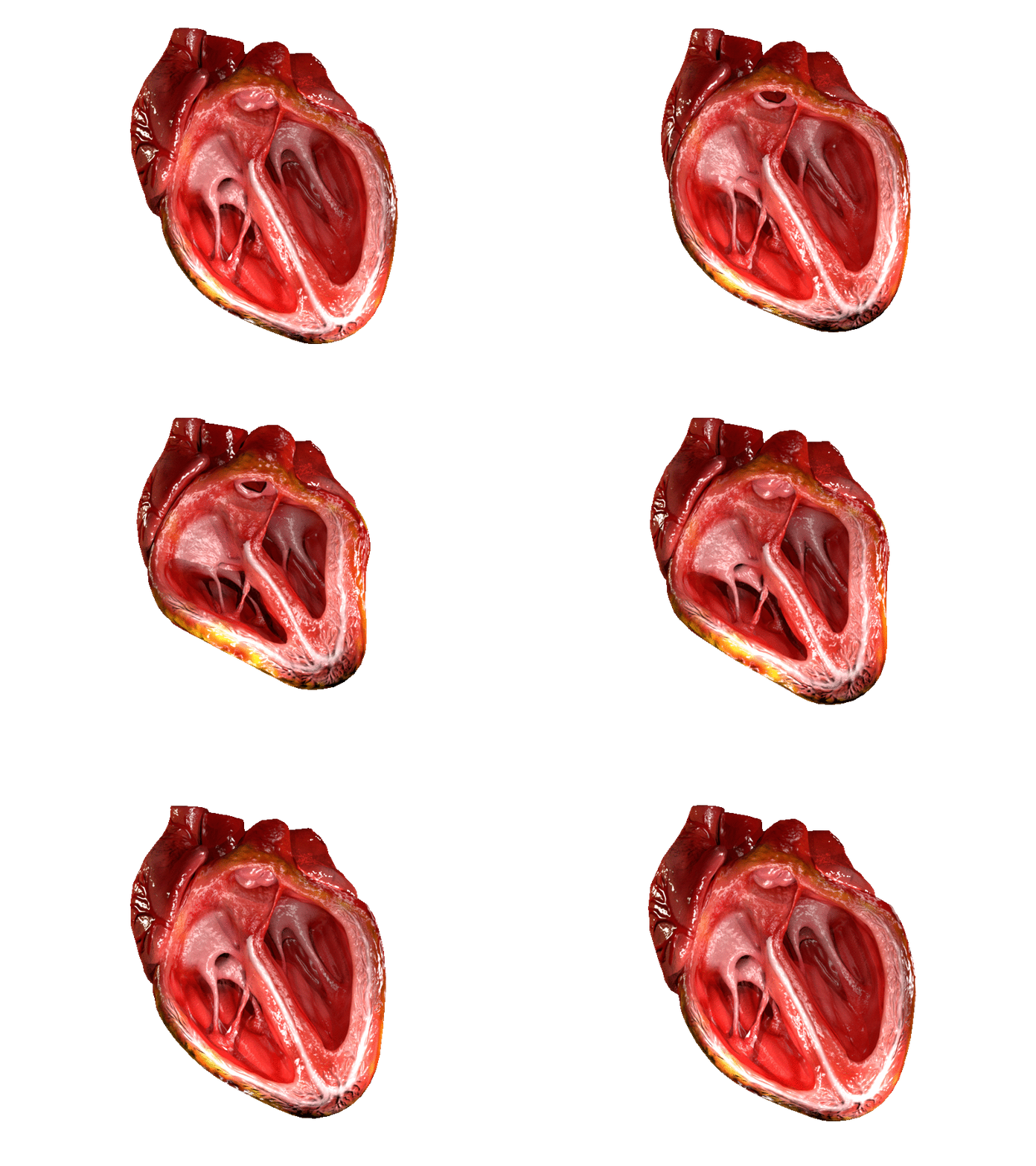
Imagine there were a drug that you could take soon after a heart attack that could reduce damage by protecting healthy heart muscle tissue. "Cardiologists say that when a heart attack occurs, time is muscle," said Robert Gourdie, director of... Continue Reading →

Japanese scientists are shedding new light on the importance of light-sensing cells in the retina that process visual information. The researchers isolated the functions of melanopsin cells and demonstrated their crucial role in the perception of visual environment. This ushers... Continue Reading →
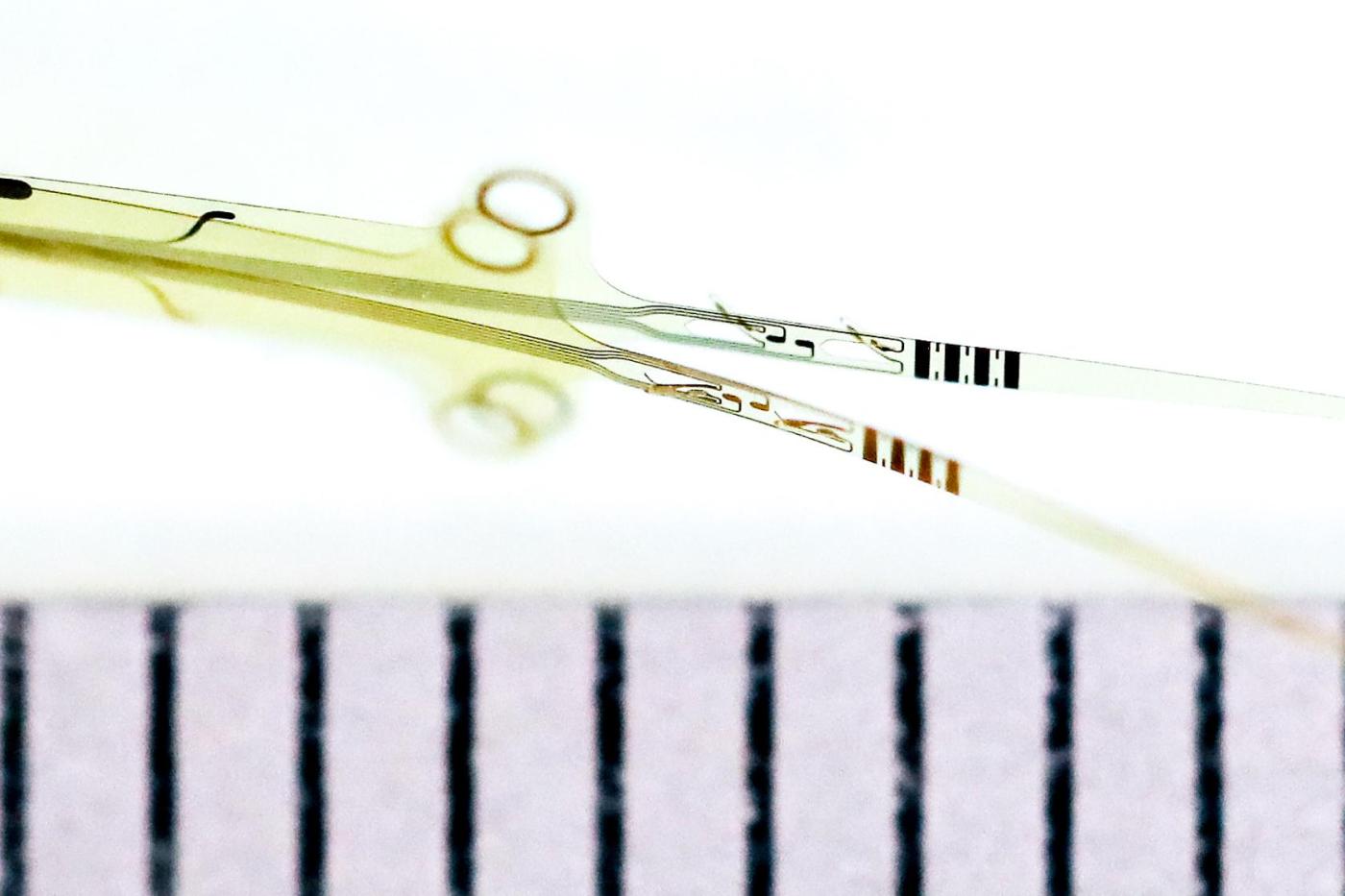
Scientists from EPFL in Switzerland and Scuola Superiore Sant'Anna in Italy are developing technology for the blind that bypasses the eyeball entirely and sends messages to the brain. They do this by stimulating the optic nerve with a new type... Continue Reading →

Eating extra servings typically shows up on the scale later, but how this happens has not been clear. A new study published in the Journal of Clinical Investigation by a multi-institutional team led by researchers at Baylor College of Medicine reveals a... Continue Reading →

Beta-amyloid plaques, the protein aggregates that form in the brains of Alzheimer's patients, disrupt many brain functions and can kill neurons. They can also damage the blood-brain barrier -- the normally tight border that prevents harmful molecules in the bloodstream... Continue Reading →

Alzheimer's disease, the most common cause of dementia among the elderly, is characterized by plaques and tangles in the brain, with most efforts at finding a cure focused on these abnormal structures. But a University of California, Riverside, research team... Continue Reading →

Consuming flavonoid-rich items such as apples and tea protects against cancer and heart disease, particularly for smokers and heavy drinkers, according to new research from Edith Cowan University (ECU). Researchers from ECU's School of Medical and Health Sciences analysed data... Continue Reading →

A study of newborn infants has identified a compound produced by gut bacteria that appears to predispose certain infants to allergies and asthma later in life. “We have discovered a specific bacterial lipid in the neonatal gut that promotes immune dysfunction... Continue Reading →
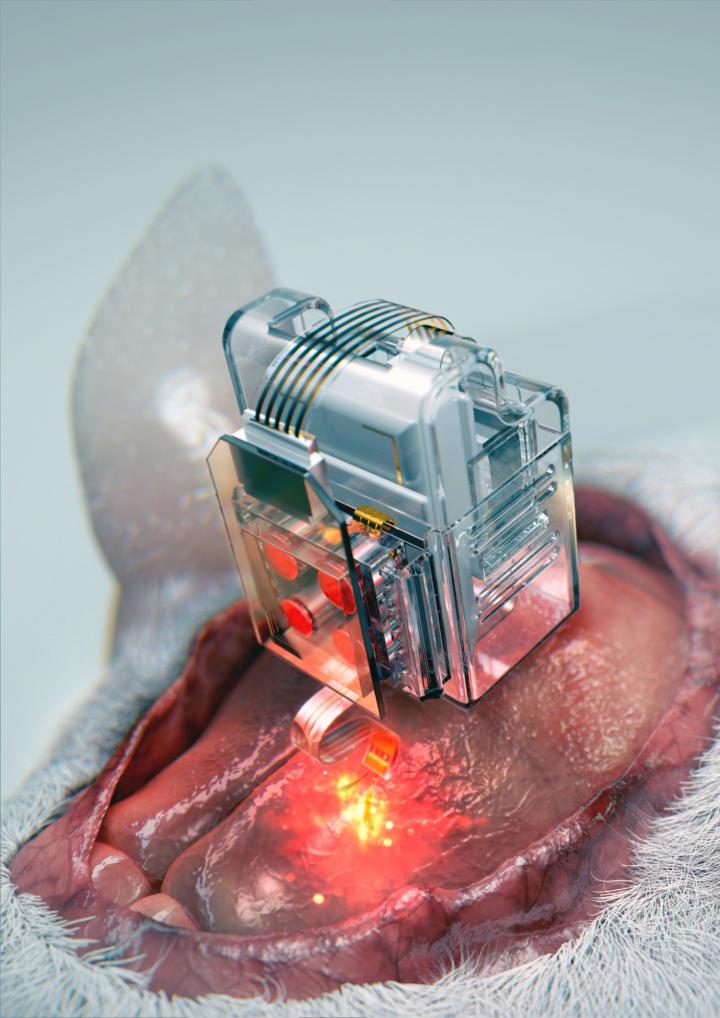
A team of scientists in Korea and the United States have invented a device that can control neural circuits using a tiny brain implant controlled by a smartphone. Researchers, publishing in Nature Biomedical Engineering, believe the device can speed up efforts... Continue Reading →
 Scents of Science