
Using a robot to treat brain aneurysms is feasible and could allow for improved precision when placing stents, coils and other devices, according to late breaking science presented at the American Stroke Association's International Stroke Conference 2020 . The conference,... Continue Reading →

A first cell atlas of the human thymus gland could lead to new immune therapies to treat cancer and autoimmune diseases. Researchers from the Wellcome Sanger Institute, Newcastle University and Ghent University, Belgium, mapped thymus tissue through the human lifespan... Continue Reading →

Low oxygen levels in the heart have long been known to produce life-threatening arrhythmias, even sudden death. Until now, it was not clear how. New findings, in a study led by Steve A. N. Goldstein, MD, PhD, vice chancellor for... Continue Reading →
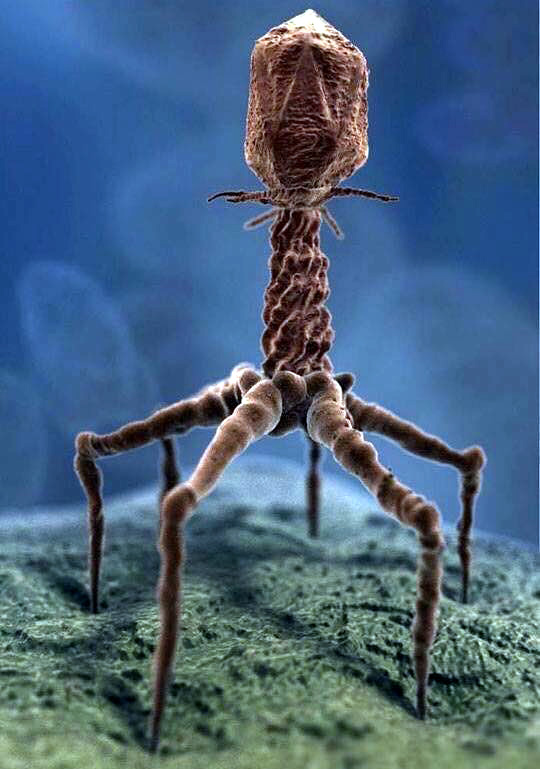
Scientists have discovered hundreds of unusually large, bacteria-killing viruses with capabilities normally associated with living organisms, blurring the line between living microbes and viral machines. These phages -- short for bacteriophages, so-called because they "eat" bacteria -- are of a... Continue Reading →
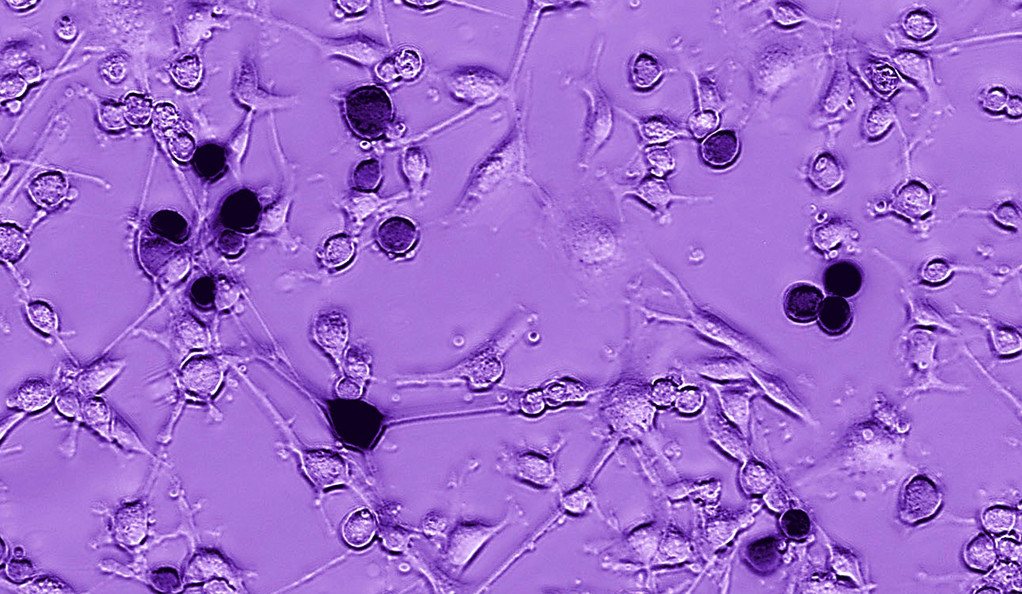
Glioblastomas are relentless, hard-to-treat, and often lethal brain tumors. Yale scientists have enlisted a most unlikely ally in efforts to treat this form of cancer -- elements of the Ebola virus. "The irony is that one of the world's deadliest... Continue Reading →
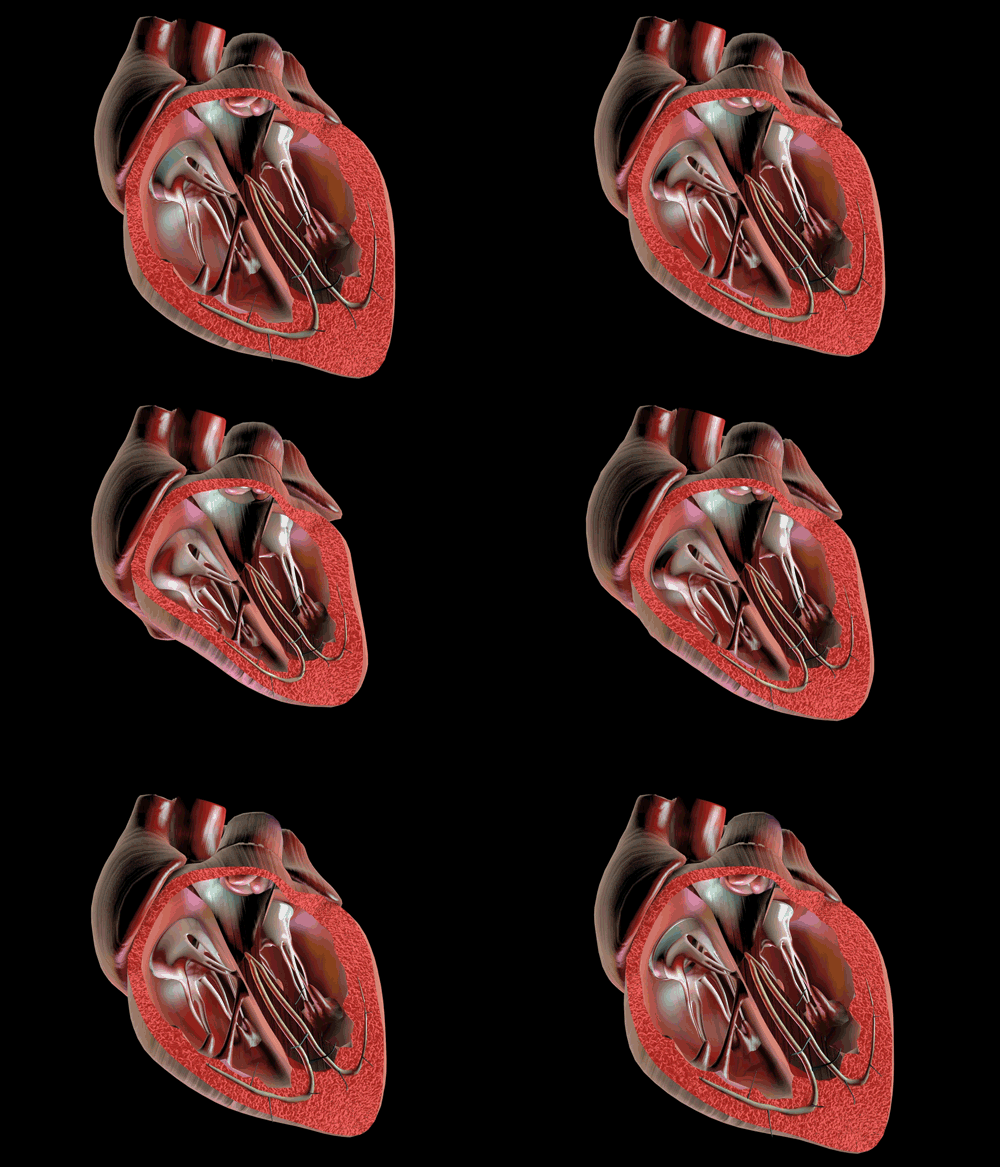
A person's normal resting heart rate is fairly consistent over time, but may vary from others' by up to 70 beats per minute, according to analysis of the largest dataset of daily resting heart rate ever collected. Giorgio Quer of... Continue Reading →
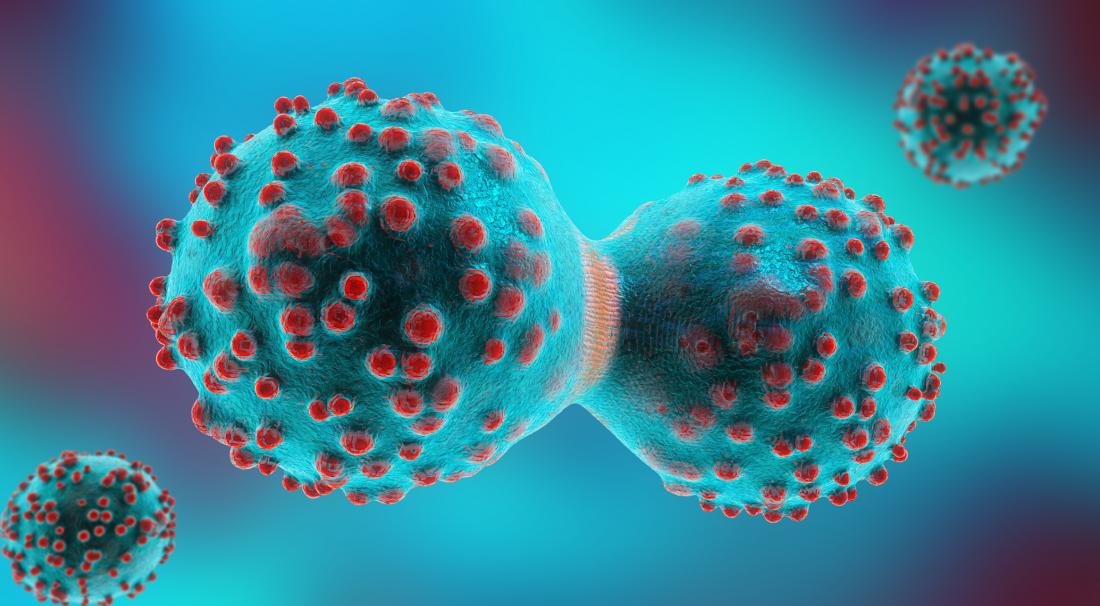
Causes of cancer are being catalogued by a huge international study revealing the genetic fingerprints of DNA-damaging processes that drive cancer development. Researchers from the Wellcome Sanger Institute, Duke-NUS Medical School Singapore, University of California San Diego School of Medicine,... Continue Reading →

After a controversial study last fall recommending that it was not necessary for people to change their diet in terms of red meat and processed meat, a large, carefully analyzed new study links red and processed meat consumption with slightly... Continue Reading →

Writing in the journal Stem Cells Translational Medicine, an international research team, led by physician-scientists at University of California San Diego School of Medicine, describe a new method for delivering neural precursor cells (NSCs) to spinal cord injuries in rats, reducing... Continue Reading →
 Scents of Science