
What would it look like to orbit a black hole? Many black holes are surrounded by swirling pools of gas known as accretion disks. These disks can be extremely hot, and much of the orbiting gas will eventually fall through the black hole'sevent... Continue Reading →
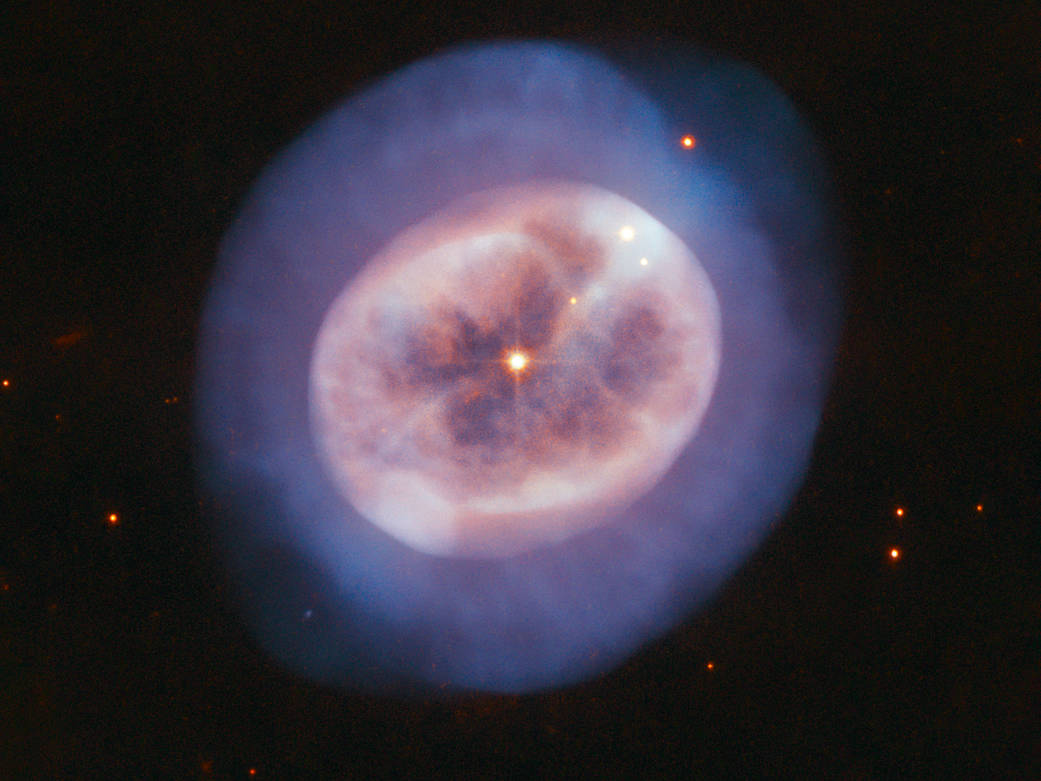
Although it looks more like an entity seen through a microscope than a telescope, this rounded object, named NGC 2022, is certainly not algae or tiny, blobby jellyfish. Instead, it is a vast orb of gas in space, cast off... Continue Reading →
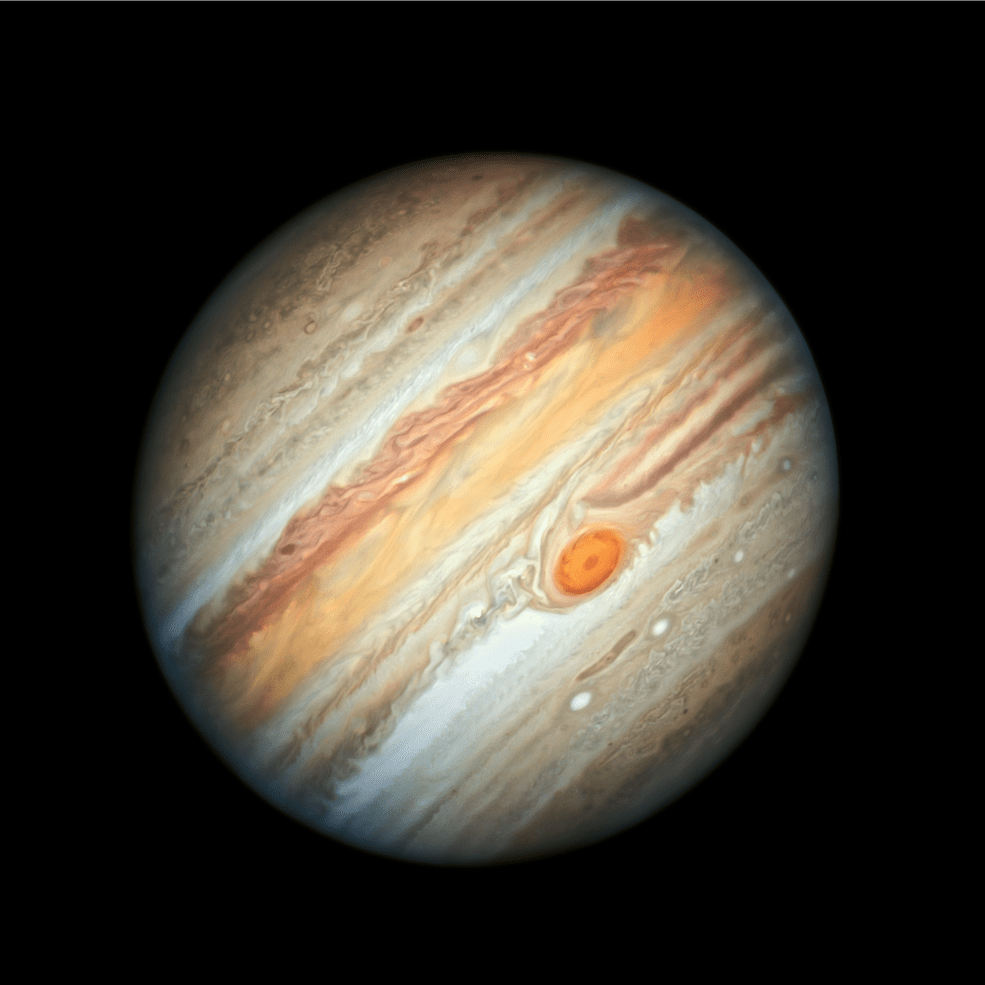
This new Hubble Space Telescope view of Jupiter, taken on June 27, 2019, reveals the giant planet's trademark Great Red Spot, and a more intense color palette in the clouds swirling in Jupiter's turbulent atmosphere than seen in previous years.... Continue Reading →
How can a planet be "hotter than hot?" The answer is when heavy metals are detected escaping from the planet's atmosphere, instead of condensing into clouds. Observations by NASA's Hubble Space Telescope reveal magnesium and iron gas streaming from the... Continue Reading →
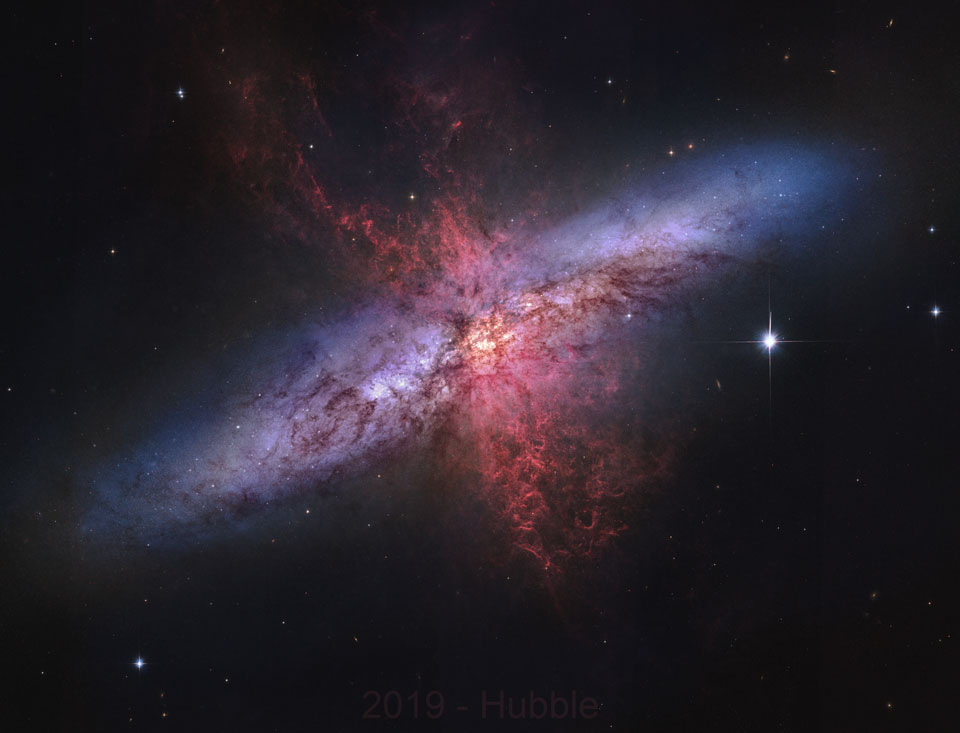
Why is the Cigar Galaxy billowing red smoke? M82, as this starburst galaxy is also known, was stirred up by a recent pass near large spiral galaxy M81. This doesn't fully explain the source of the red-glowing outwardly expanding gas and dust, however. Evidence indicates that this gas and dust is being... Continue Reading →

As if black holes weren't mysterious enough, astronomers using NASA's Hubble Space Telescope have found an unexpected thin disk of material furiously whirling around a supermassive black hole at the heart of the magnificent spiral galaxy NGC 3147, located 130... Continue Reading →
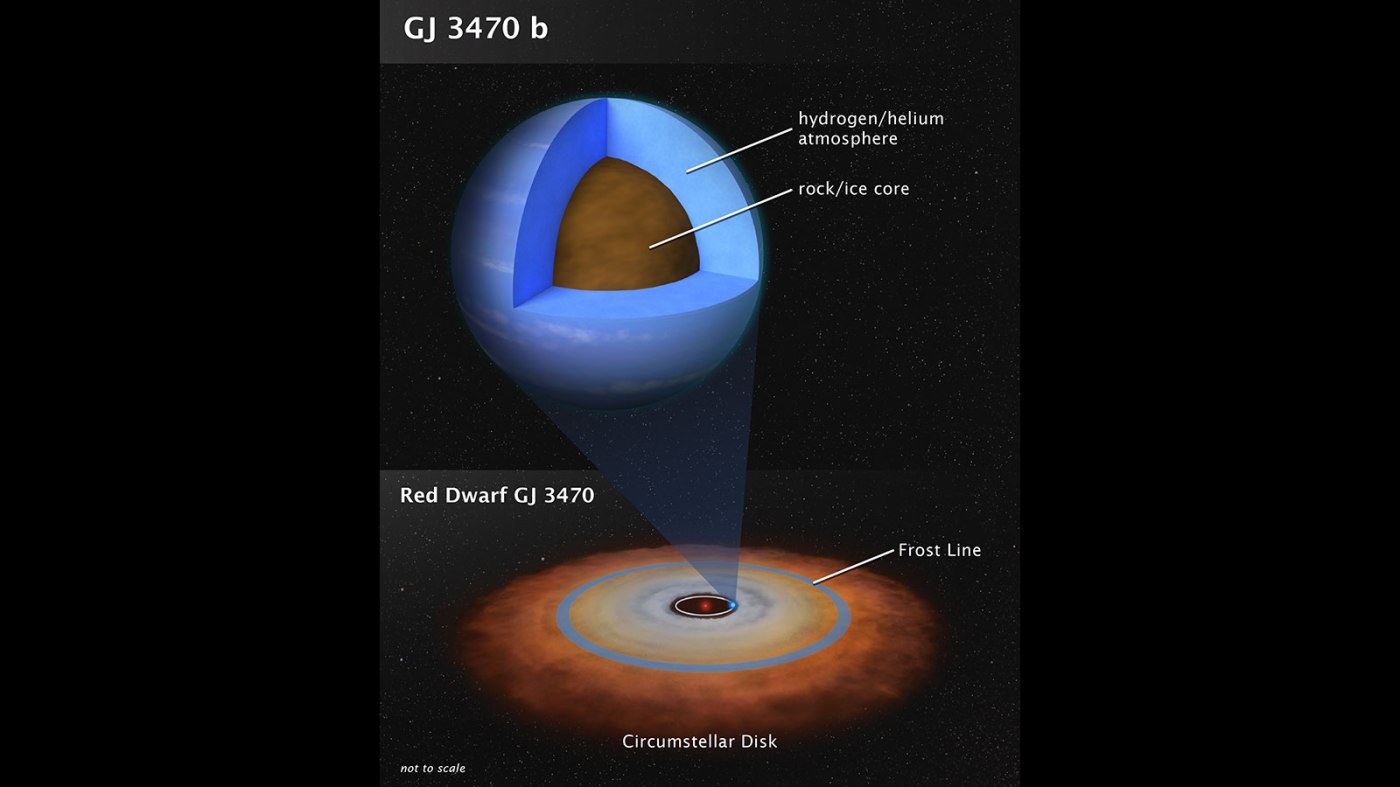
Two NASA space telescopes have teamed up to identify, for the first time, the detailed chemical "fingerprint" of a planet between the sizes of Earth and Neptune. No planets like this can be found in our own solar system, but... Continue Reading →
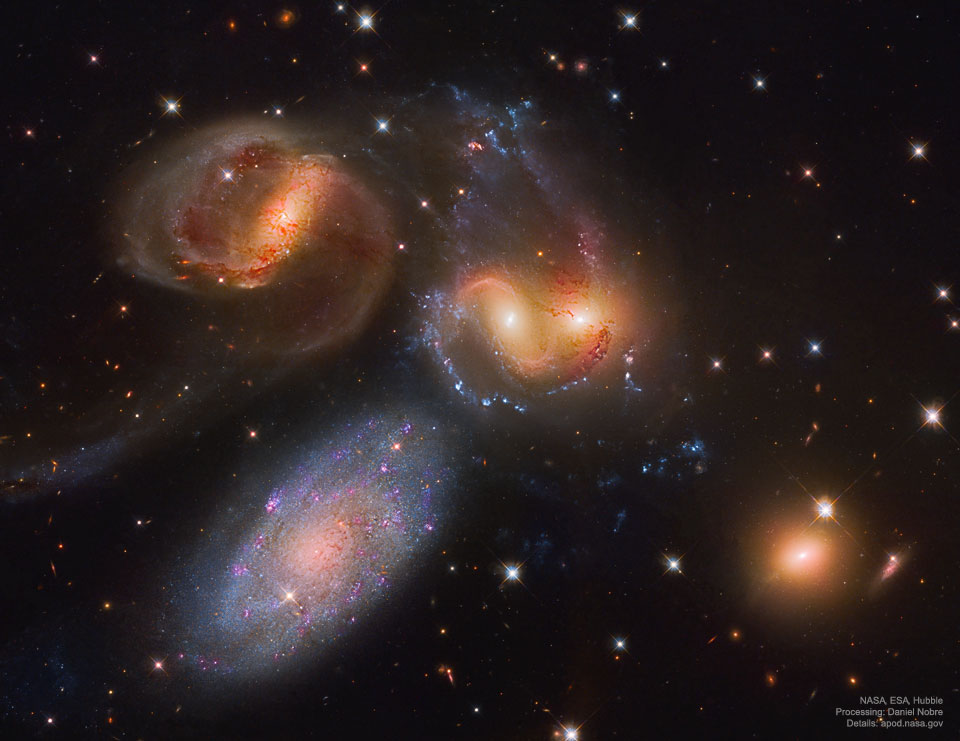
When did these big galaxies first begin to dance? Really only four of the five of Stephan's Quintet are locked in a cosmic tango of repeated close encounters taking place some 300 million light-years away. The odd galaxy out is easy to spot in this... Continue Reading →

The bright clusters and nebulae of planet Earth's night sky are often named for flowers or insects. Though its wingspan covers over 3 light-years, NGC 6302 is no exception. With an estimated surface temperature of about 250,000 degrees C, the dying central star of this particular planetary... Continue Reading →
 Scents of Science