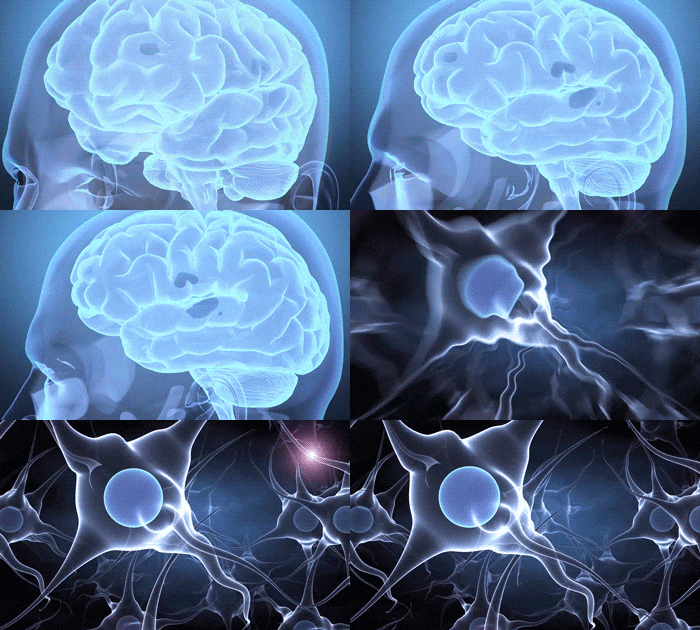
A study of nearly 10,000 adolescents funded by the National Institutes of Health (NIH) has identified distinct differences in the brain structures of those who used substances before age 15 compared to those who did not. Many of these structural brain... Continue Reading →

A research team co-led by a physician-scientist at the University of Arizona College of Medicine – Tucson’s Sarver Heart Center found that a subset of artificial heart patients can regenerate heart muscle, which may open the door to new ways to treat and... Continue Reading →
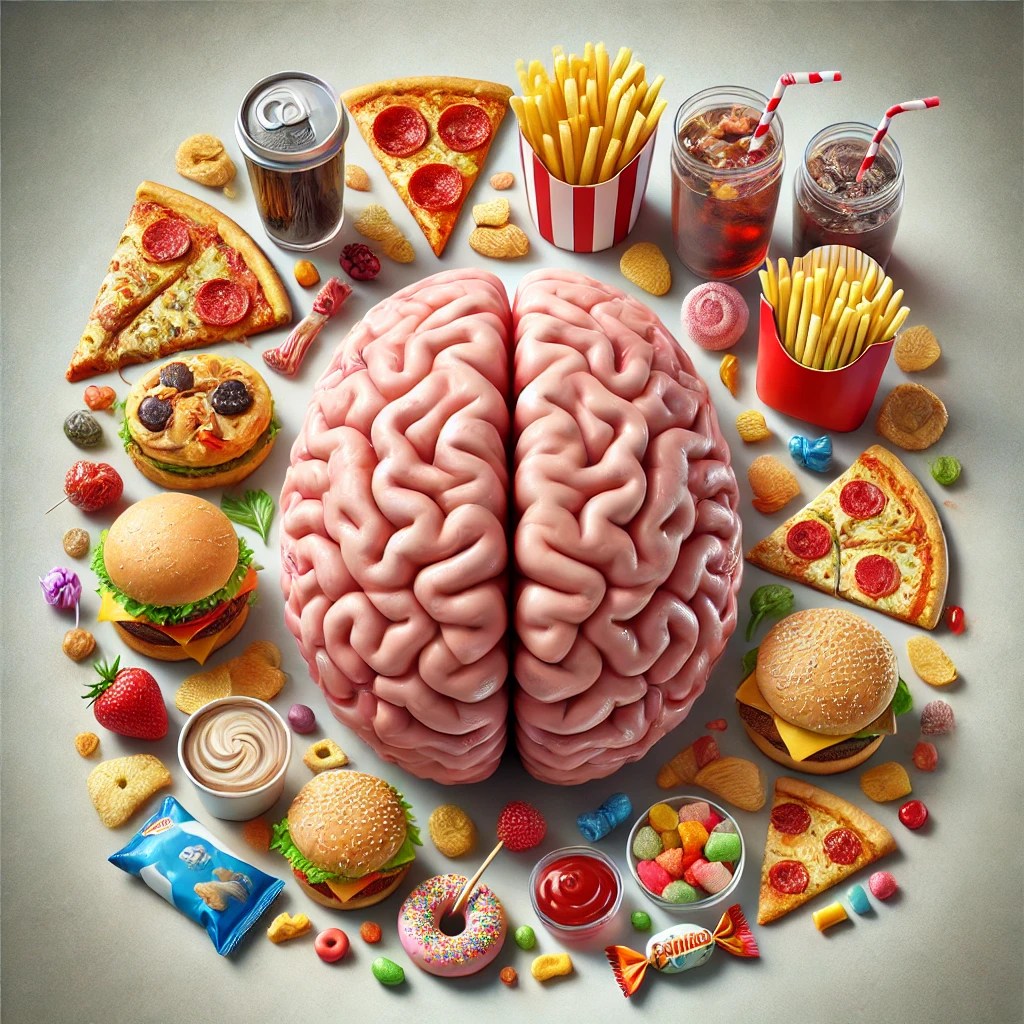
Obesity affects a staggering 40 percent of adults and 20 percent of children in the United States. While some new popular therapies are helping to tackle the epidemic of obesity, there is still so much that researchers do not understand... Continue Reading →

Researchers are shining a light on cancer cells’ energy centers – literally – to damage these power sources and trigger widespread cancer cell death. In a new study, scientists combined strategies to deliver energy-disrupting gene therapy using nanoparticles manufactured to... Continue Reading →

Characterized by their unique adaptations to extreme environments, anglerfish are known for using lures to attract prey. Researchers at Nagoya University in Japan have discovered in frogfish (a subgroup of anglerfish) a specialized motor neuron population in the first dorsal... Continue Reading →

A large new population study of men over 45 indicates insulin resistance may be an important risk factor for the development of the world’s most common heart valve disease – aortic stenosis (AS). Published in the peer-reviewed journal Annals of Medicine,... Continue Reading →

A study using UK Biobank data has found that high cardiovascular risk factors, including obesity, are linked to accelerated brain volume loss, affecting the regions in the temporal lobe that are crucial for memory and sensory processing. The long term... Continue Reading →

In a groundbreaking study published Nov. 21 in the journal Nature Human Behaviour, researchers have uncovered significant genetic connections between human language abilities and musical rhythm skills, providing new insights into the biological underpinnings of these fundamental human traits. The study... Continue Reading →

Asthma attacks and COPD flare-ups (also called exacerbations) can be deadly. Every day in the UK four people with asthma and 85 people with COPD will tragically die. Both conditions are also very common, in the UK someone has an asthma attack every 10 seconds.... Continue Reading →
 Scents of Science