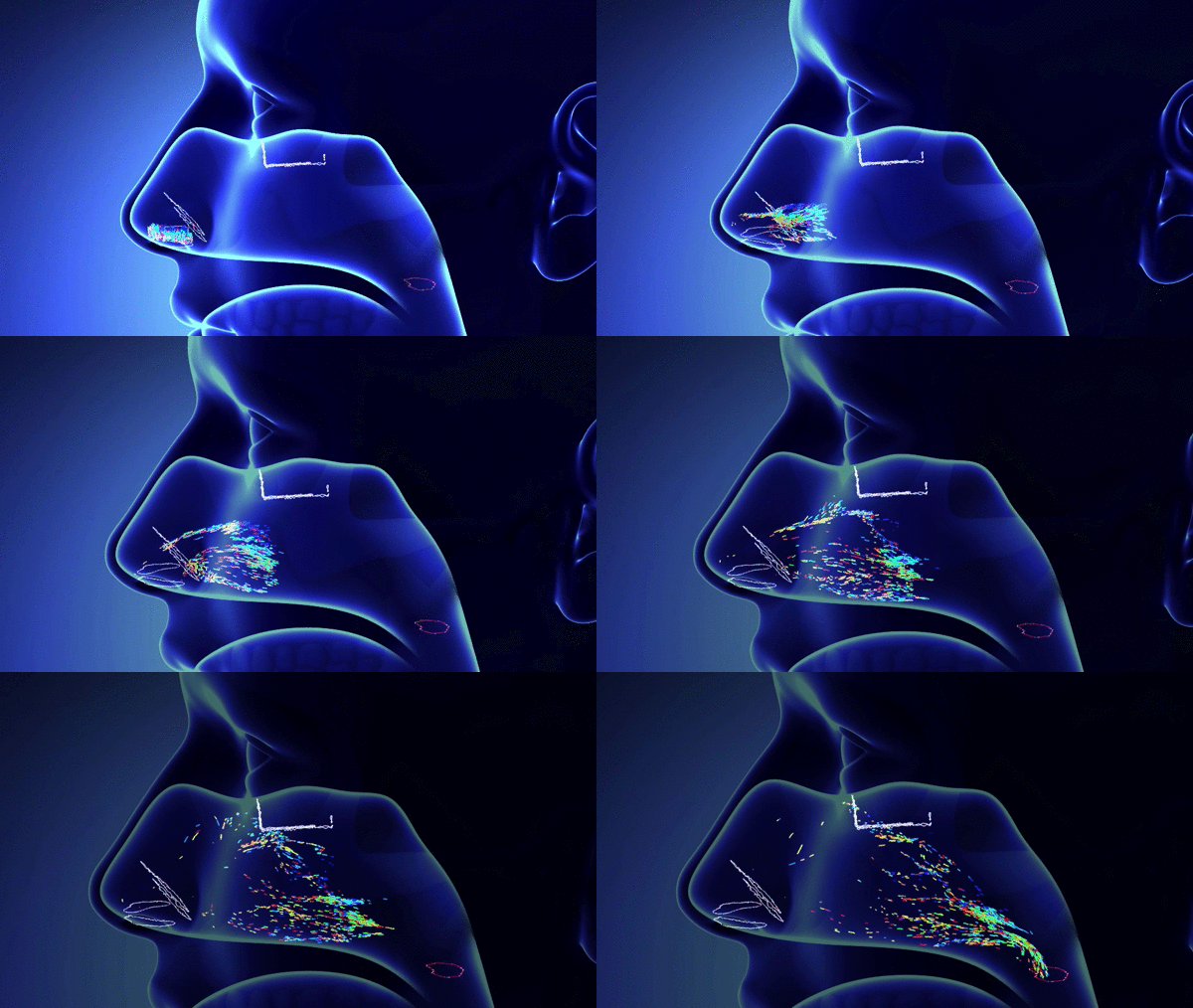
Flavoured drinks without sugar can be perceived as sweet – and now researchers know why. A new study from Karolinska Institutet in Sweden, published in the journal Nature Communications, reveals that the brain interprets certain aromas as taste. When we eat... Continue Reading →
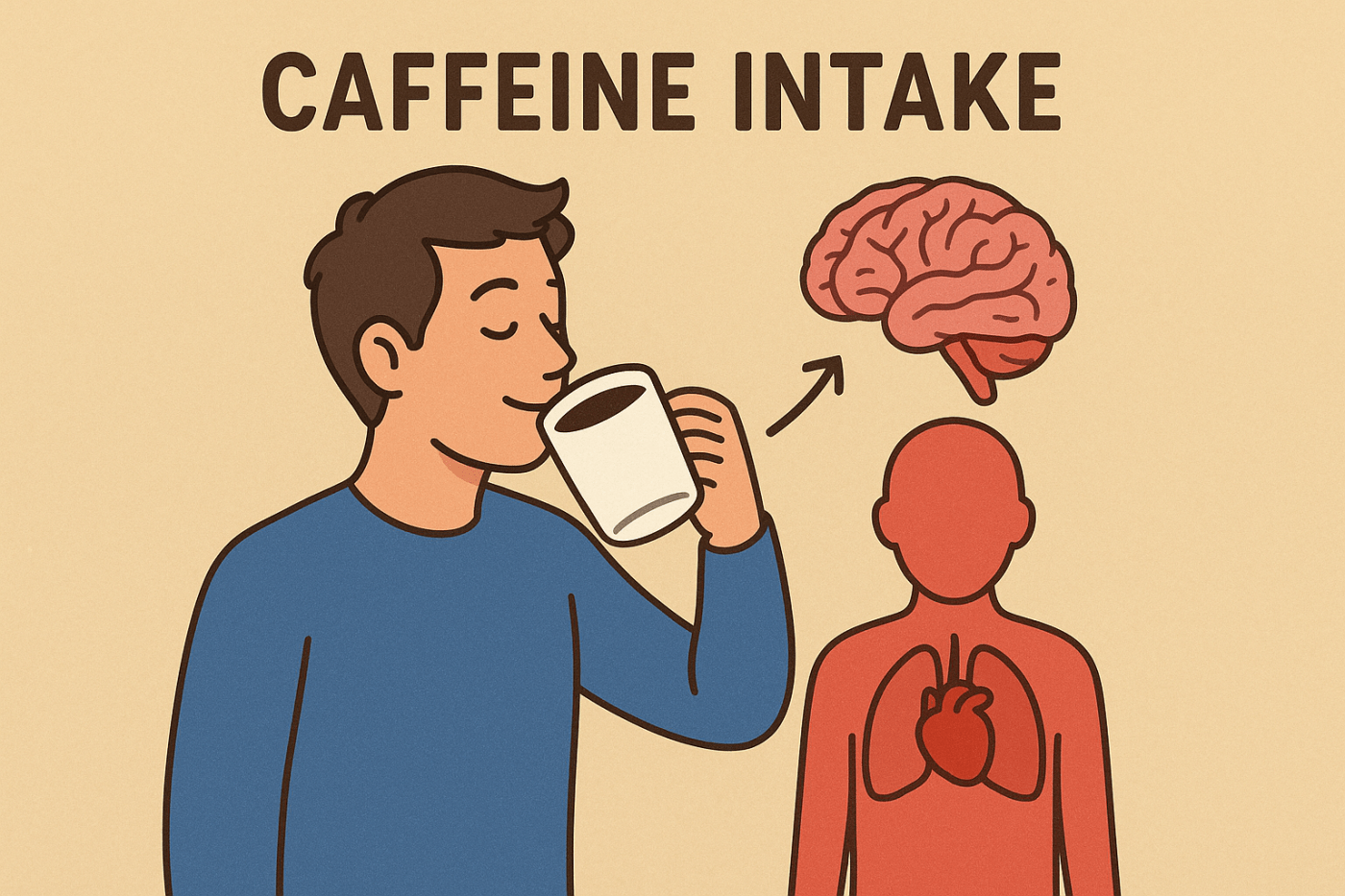
Ingredients of our daily diet – including caffeine – can influence the resistance of bacteria to antibiotics. This has been shown in a new study by a team of researchers at the Universities of Tübingen and Würzburg led by Professor Ana... Continue Reading →
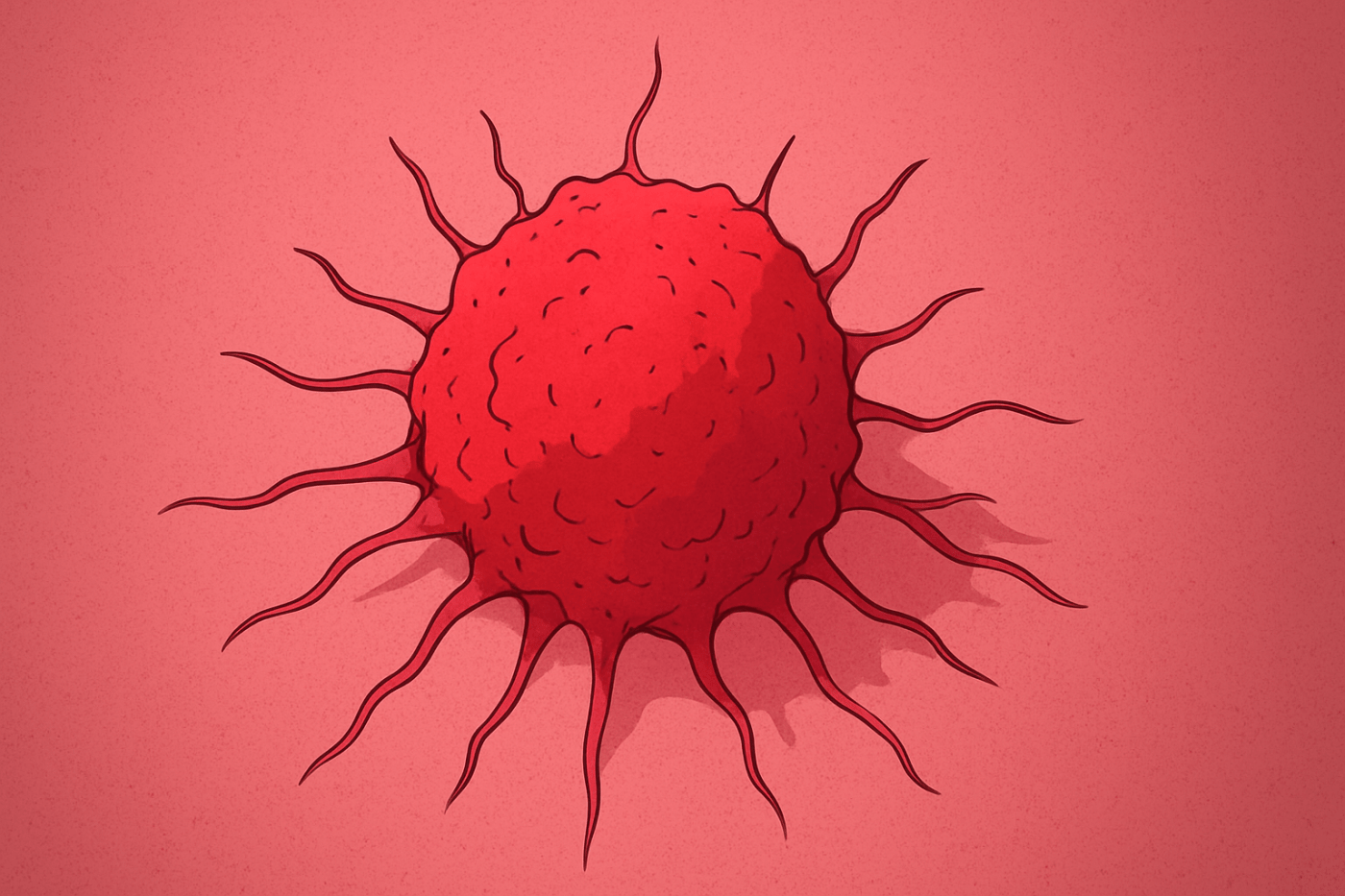
Cutting off blood flow can prematurely age the bone marrow, weakening the immune system's ability to fight cancer, according to a new study from NYU Langone Health. Published online August 19 in JACC-CardioOncology, the study showed that peripheral ischemia-restricted blood flow in... Continue Reading →

A healthy diet can slow down the accumulation of chronic diseases in older adults, while inflammatory diets accelerate it. This is shown by a new study from Karolinska Institutet published in Nature Aging. Researchers have investigated how four different diets affect... Continue Reading →
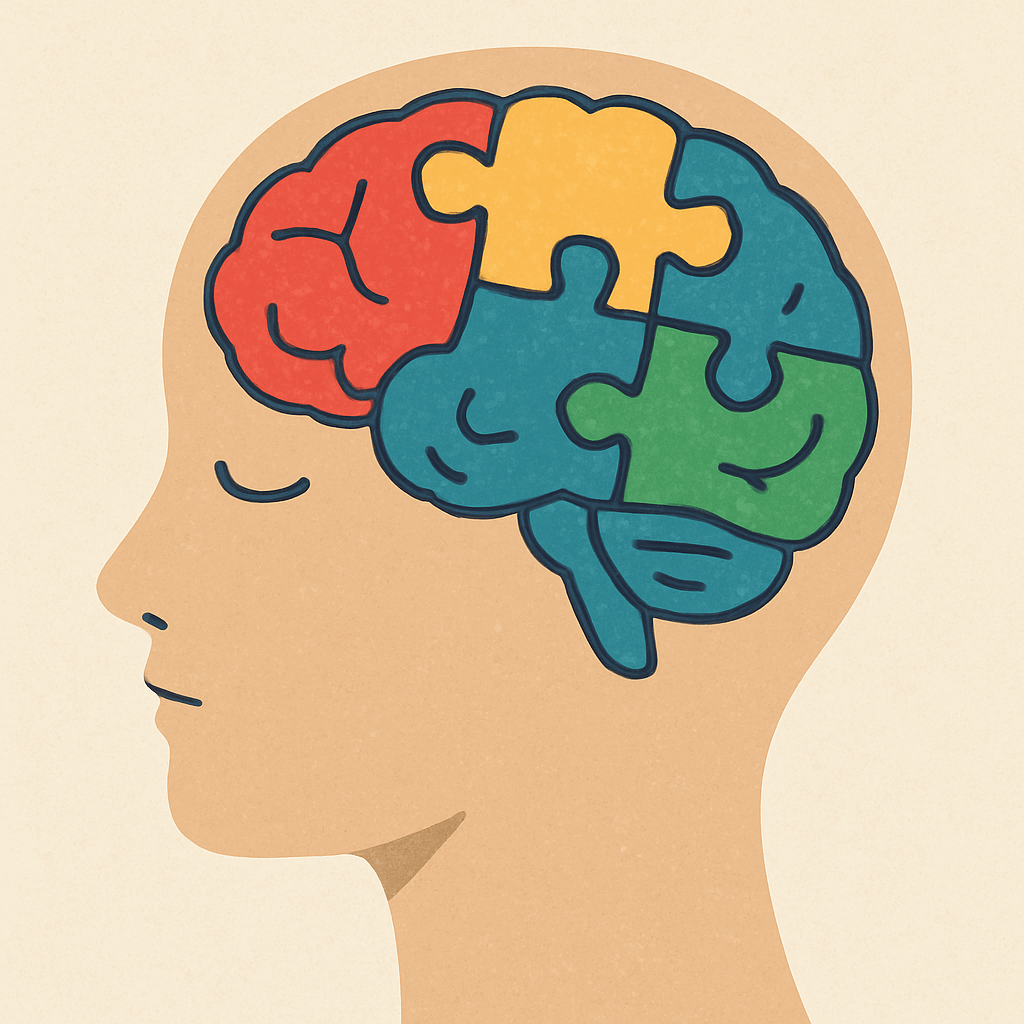
Stanford Medicine scientists investigating the neurological basis of autism spectrum disorder (ASD) have found that hyperactivity in a specific brain region could drive behaviors commonly associated with the disorder. Using the Cntnap2 knockout mouse model, the researchers, led by John Huguenard, PhD,... Continue Reading →

New research shows that high levels of antihistamine drugs can reduce fitness gains For some, the word “histamine” might evoke thoughts of seasonal allergies: runny noses, scratchy throats and itchy eyes. But the molecule also influences exercise performance. A new... Continue Reading →

Daily exposure to certain chemicals used to make plastic household items could be linked to the more than 356,000 global deaths from heart disease that occurred in 2018 alone, a new analysis of population surveys shows. Although the chemicals, called... Continue Reading →
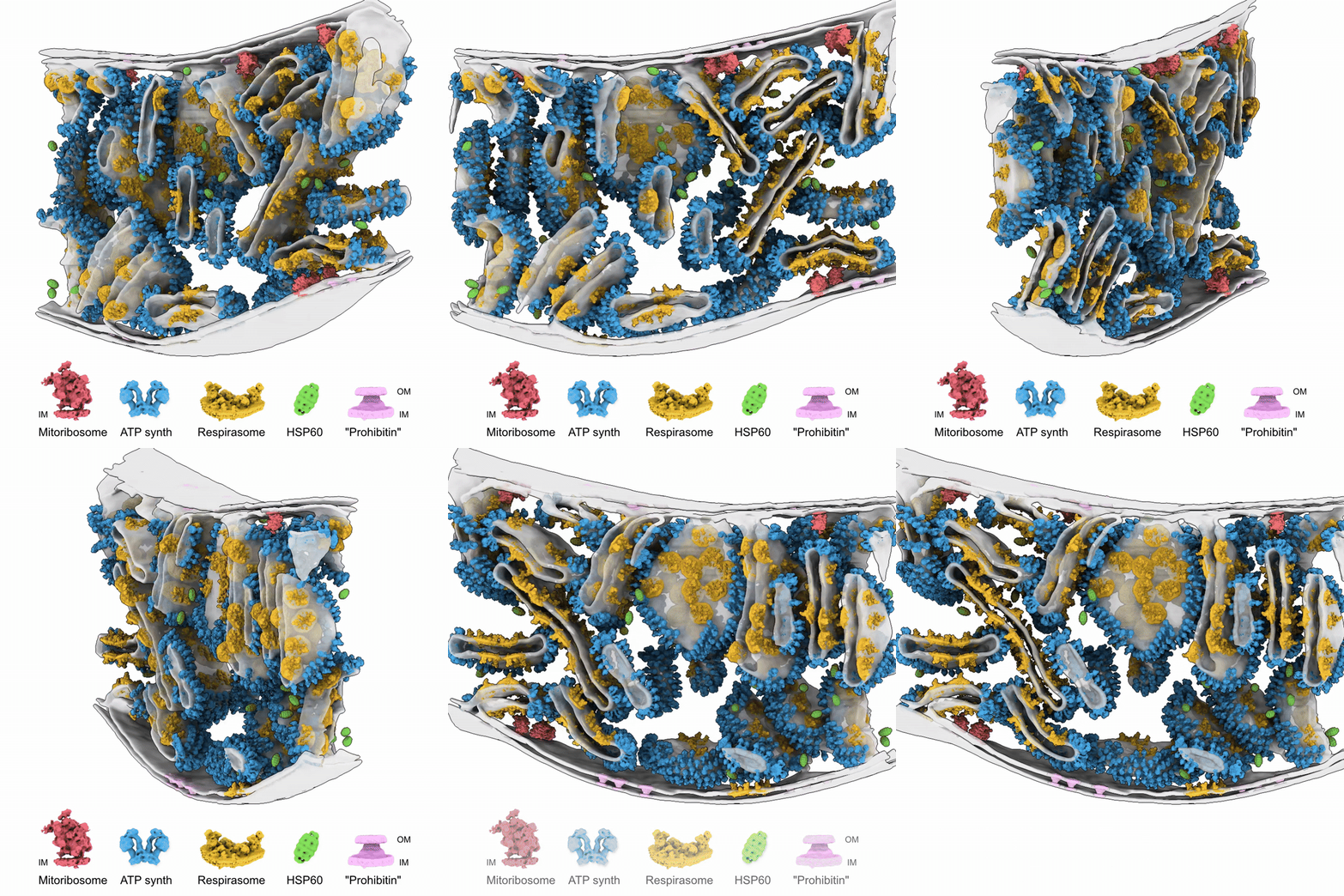
Mitochondria are the powerhouses in our cells, producing the energy for all vital processes. Using cryo-electron tomography, researchers at the Biozentrum of the University of Basel have now gained insight into the architecture of mitochondria at unprecedented resolution. They discovered... Continue Reading →
The number of obese persons has grown significantly in recent decades, which presents significant difficulties for those who are impacted, healthcare systems, and those who provide treatment. The hormone insulin plays a key role in the development of obesity. Up... Continue Reading →
 Scents of Science