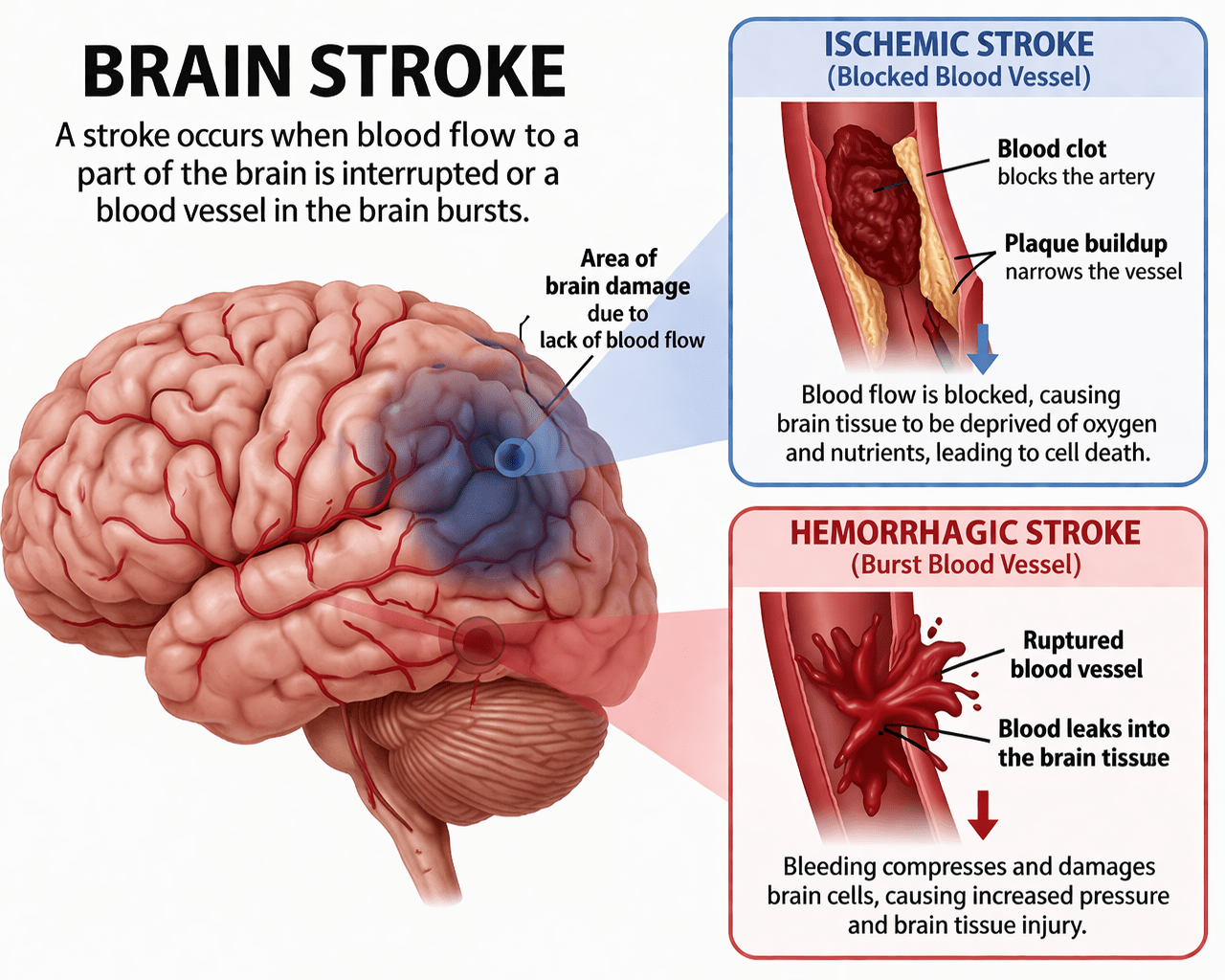
In a new study published in The Lancet Digital Health, scientists at the USC Mark and Mary Stevens Neuroimaging and Informatics Institute (Stevens INI) have discovered that the brains of people who experience severe physical impairment after a stroke may reorganize themselves... Continue Reading →

A landmark paper published in The Lancet Psychiatry – the largest-ever review of the safety and efficacy of cannabinoids across a range of mental health conditions – found no evidence that medicinal cannabis is effective in treating anxiety, depression or post-traumatic stress disorder (PTSD). The study comes... Continue Reading →
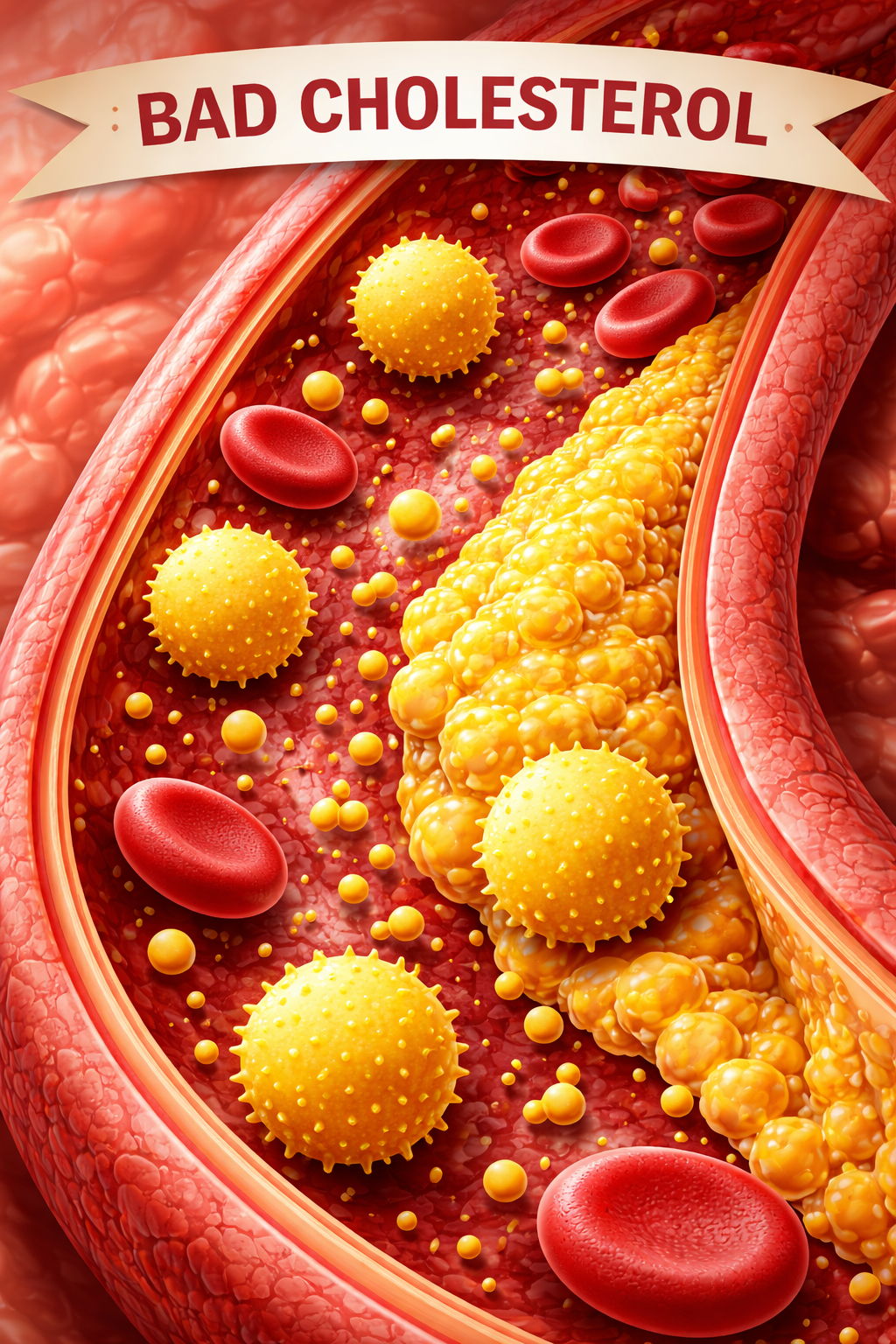
An experimental pill called enlicitide slashed levels of low-density lipoprotein (LDL) cholesterol, commonly known as “bad” cholesterol, by up to 60%, a new phase three clinical trial published in The New England Journal of Medicine showed. If approved by the Food and Drug... Continue Reading →
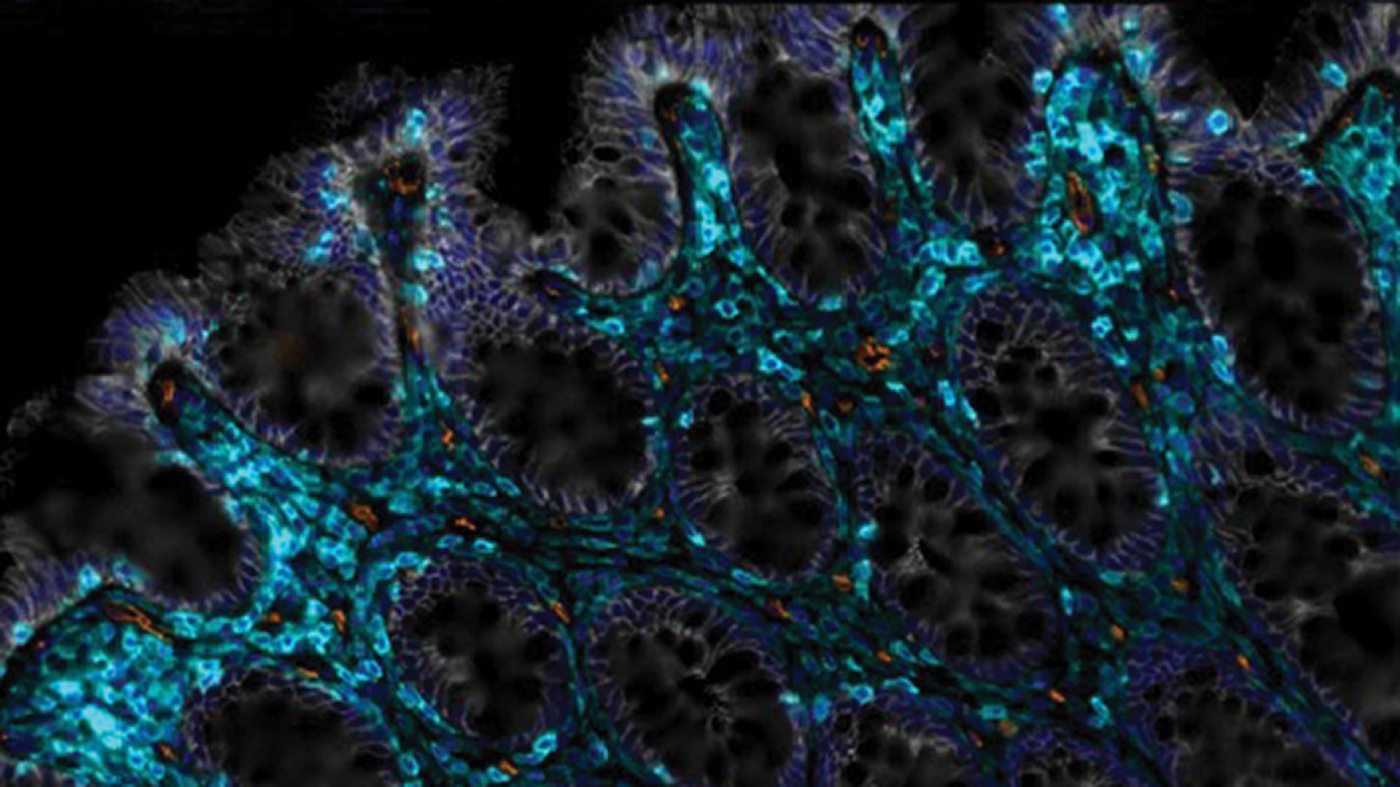
Ever notice that as you get older, some foods no longer sit with you the same? This could be due to a breakdown of the intestinal epithelium, a single layer of cells that forms the organ’s lining. The intestine plays... Continue Reading →

Researchers are taking a closer look at how medications used to treat diabetes may also influence cancer. While diabetes itself has long been associated with higher cancer risk, scientists are now investigating whether diabetes drugs play a direct role beyond... Continue Reading →
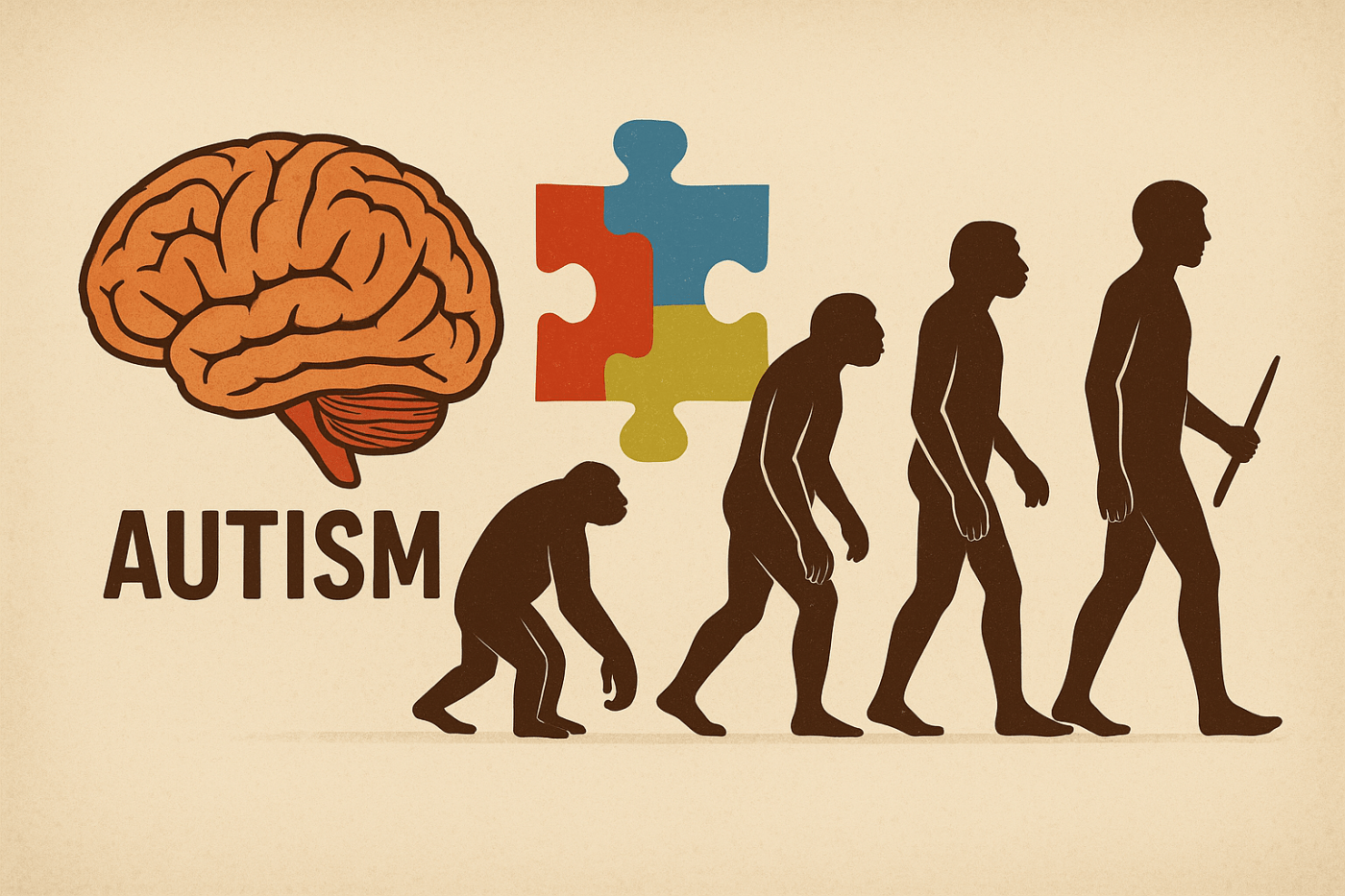
A new paper in Molecular Biology and Evolution, published by Oxford University Press, finds that the relatively high rate of Autism-spectrum disorders in humans is likely due to how humans evolved in the past. About one in 31 (3.2%) children in the... Continue Reading →
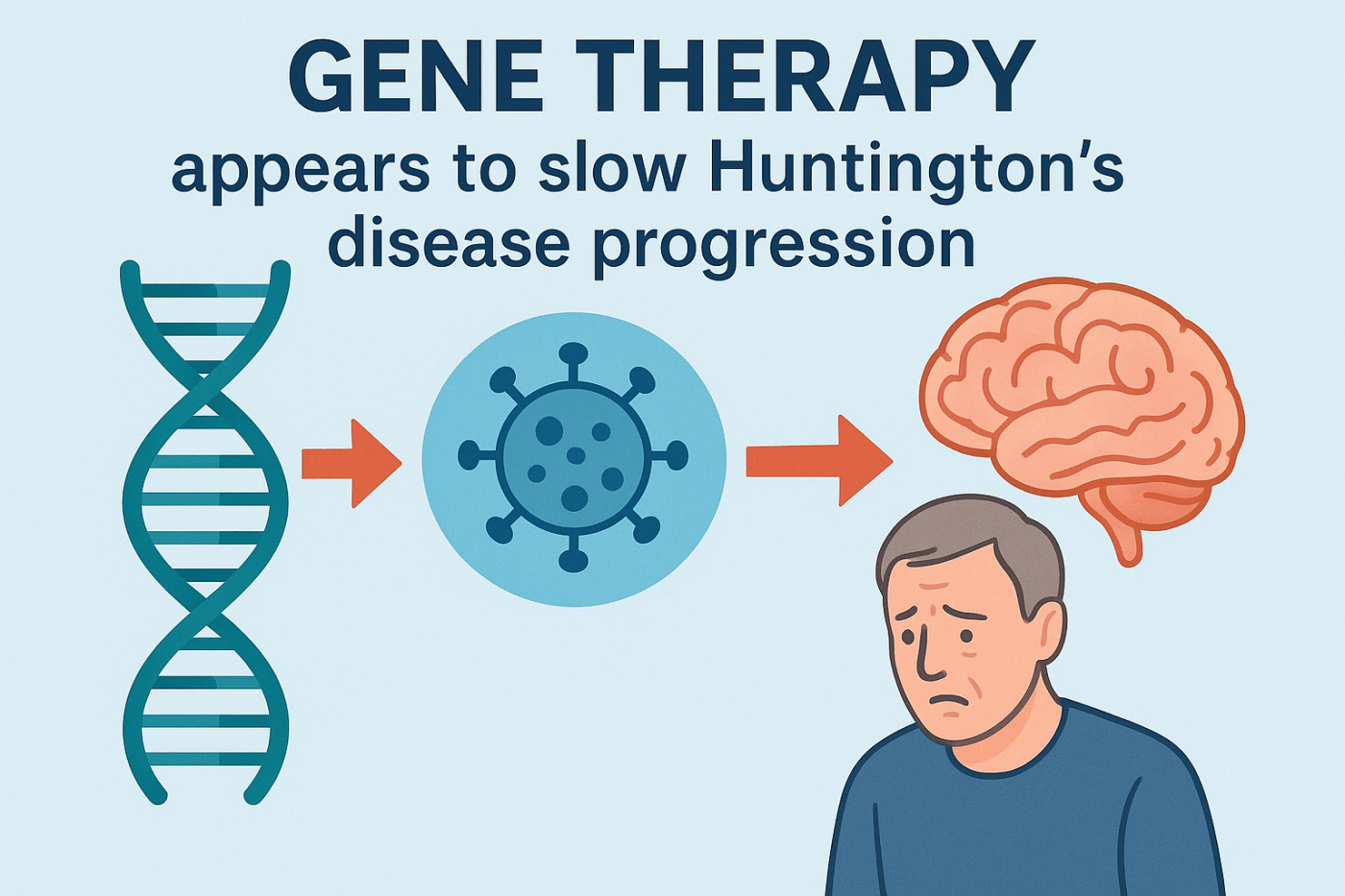
The researchers found that patients receiving the treatment experienced 75% less progression of the disease overall, compared to a matched cohort of people with Huntington’s who were not receiving the treatment. This is the first time a drug trial has... Continue Reading →

Colorectal cancer is the second leading cause of cancer death worldwide. If detected early, it can be efficiently treated, but the cost and discomfort of colonoscopies - the main diagnostic method currently in use - often result in delayed diagnosis.... Continue Reading →
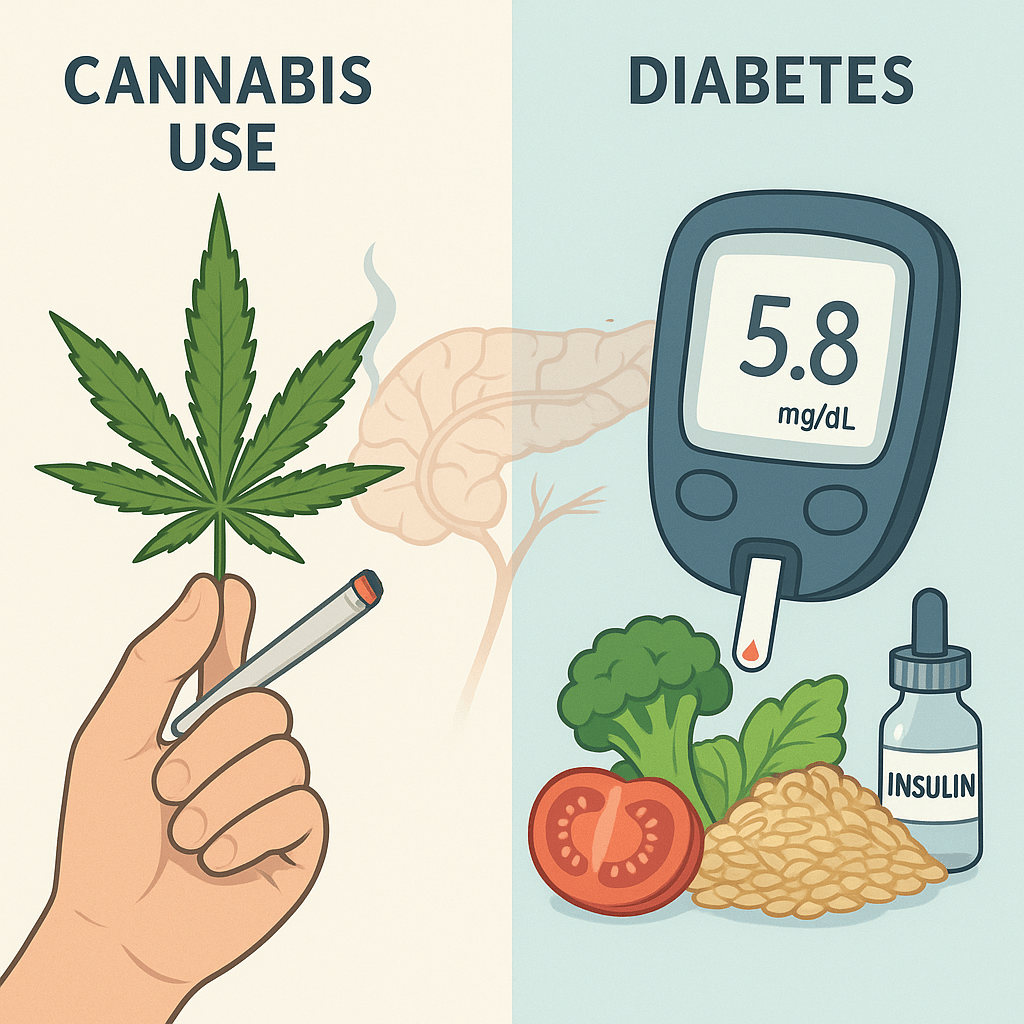
Cannabis use is linked to an almost quadrupling in the risk of developing diabetes, according to an analysis of real-world data from over 4 million adults, being presented at this year’s Annual Meeting of The European Association for the Study... Continue Reading →
 Scents of Science