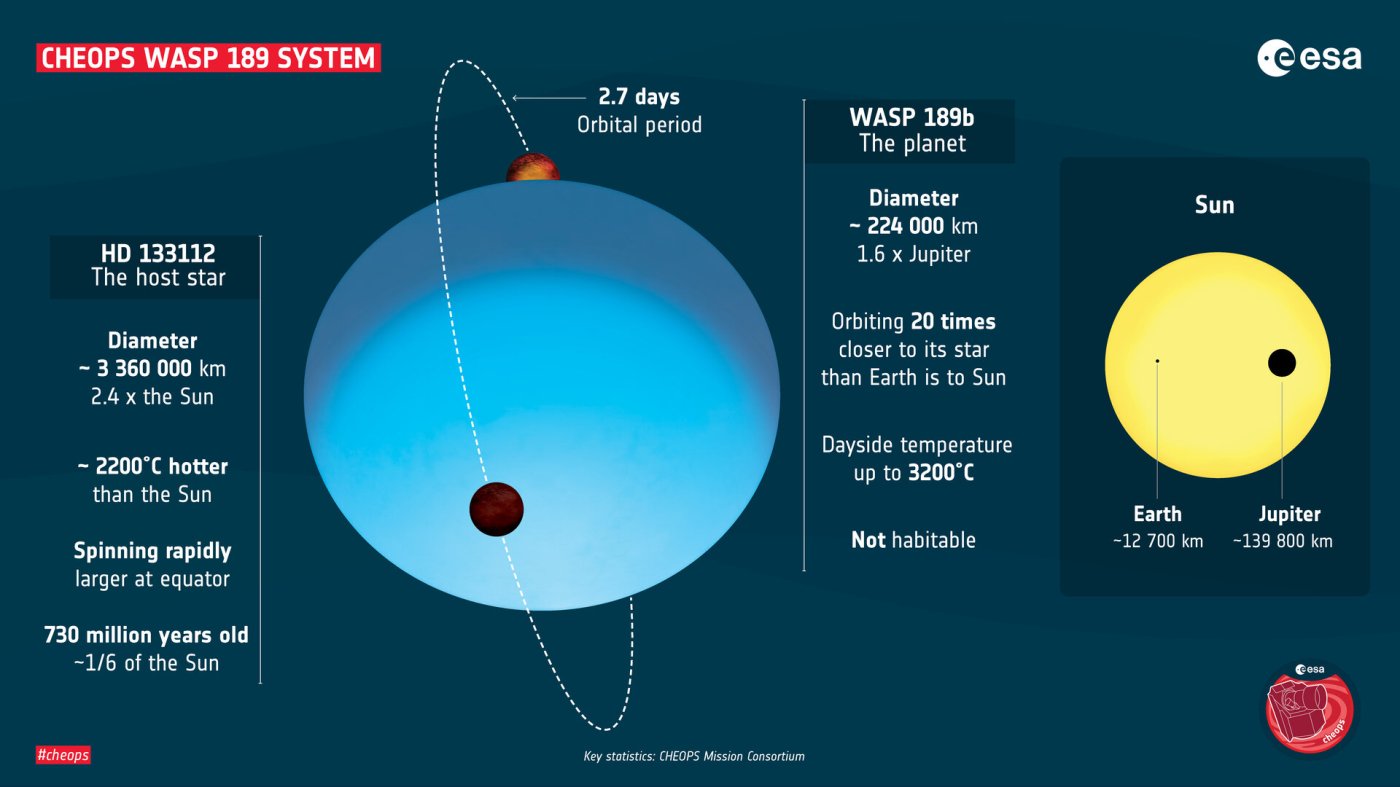
ESA’s new exoplanet mission, Cheops, has found a nearby planetary system to contain one of the hottest and most extreme extra-solar planets known to date: WASP-189 b. The finding, the very first from the mission, demonstrates Cheops’ unique ability to... Continue Reading →
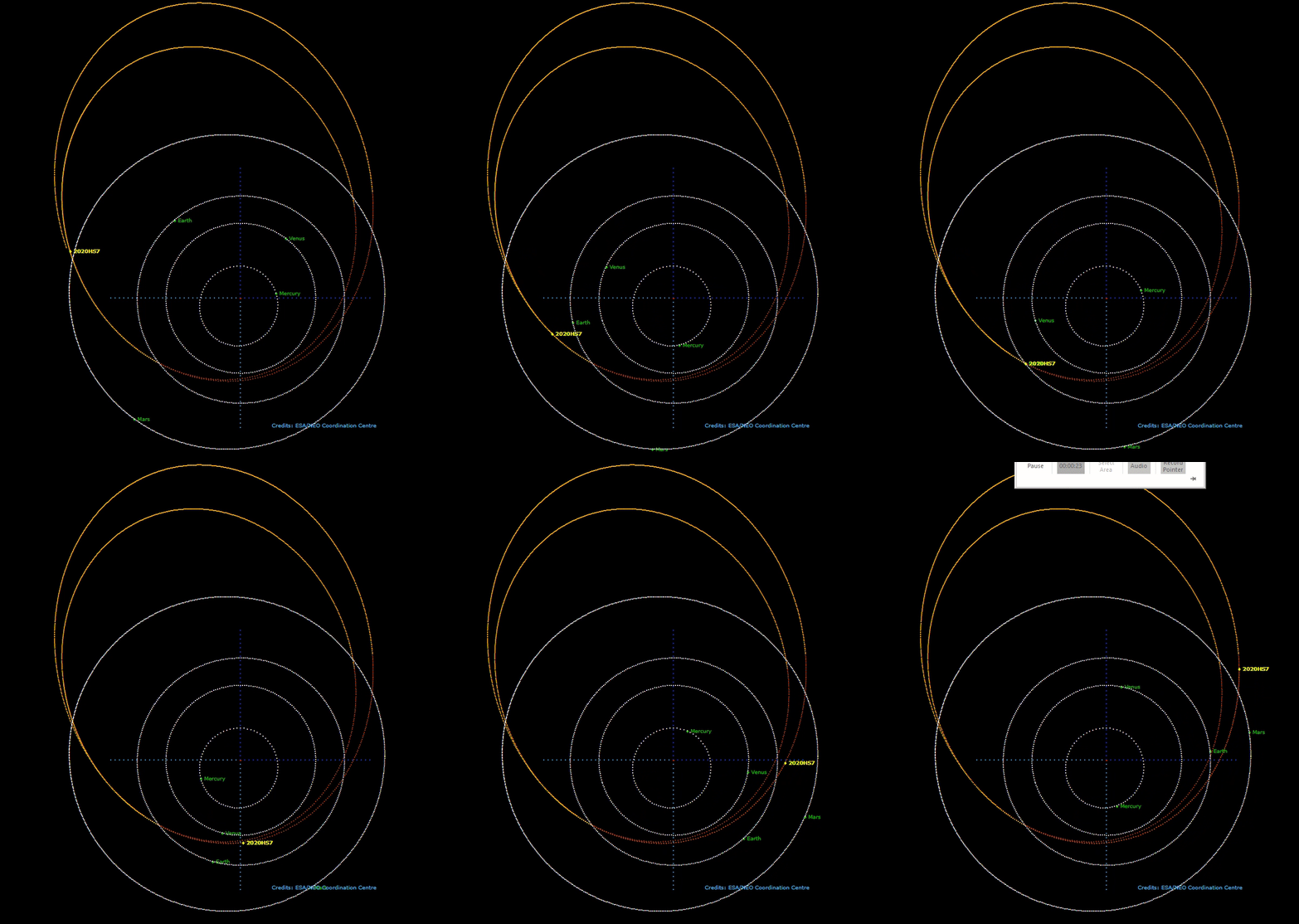
A reasonably small 4-8 m asteroid recently flew by Earth, passing close to satellites orbiting in the geostationary ring at a distance of about 42 735 km from Earth’s center and only about 1200 km from the nearest satellite. After... Continue Reading →

Dark matter, although invisible, makes up most of the universe’s mass and creates its underlying structure. Dark matter’s gravity drives normal matter (gas and dust) to collect and build up into stars and galaxies. Although astronomers cannot see dark matter, they can... Continue Reading →
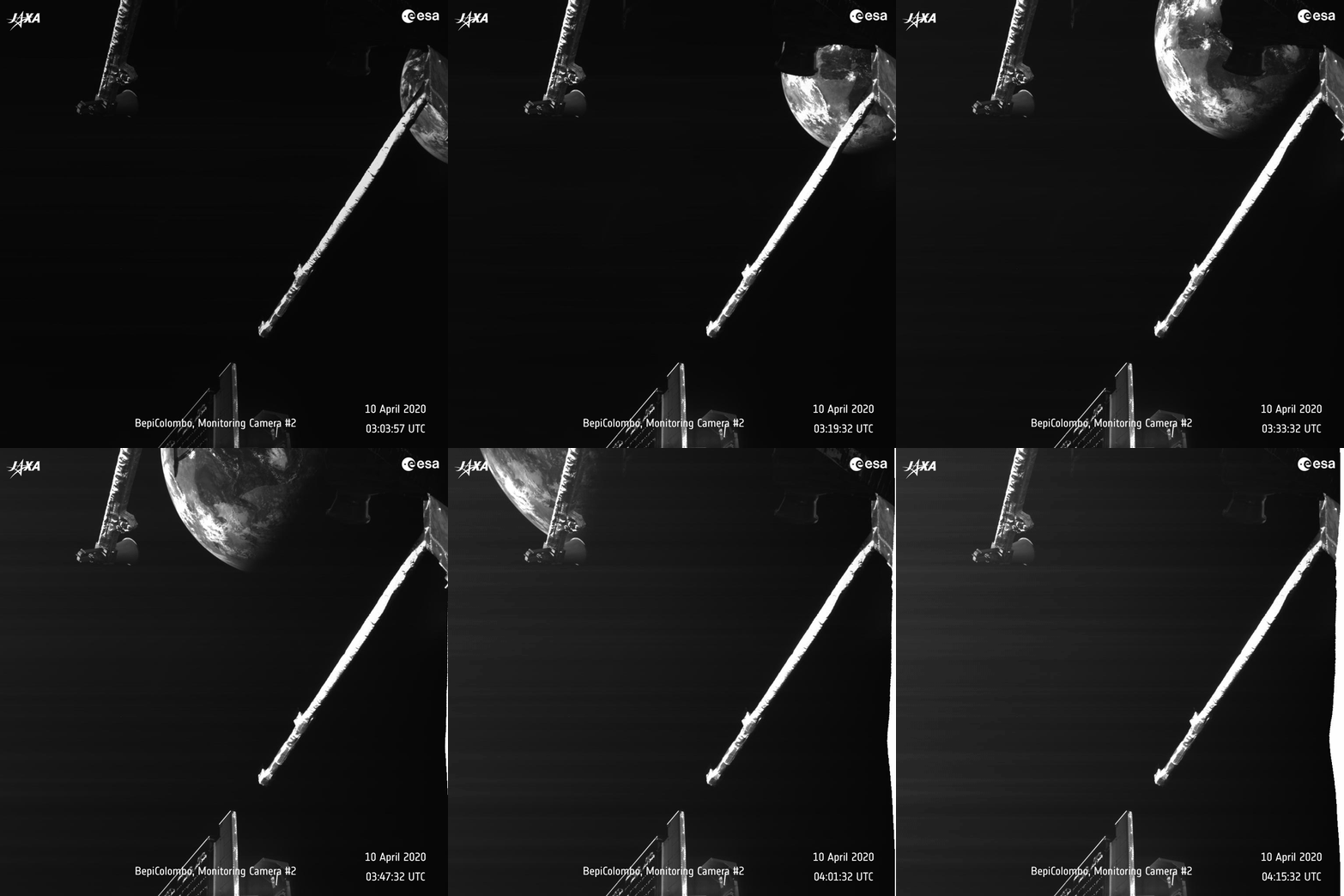
The ESA/JAXA BepiColombo mission completed its first flyby on 10 April, as the spacecraft came less than 12 700 km from Earth’s surface at 06:25 CEST, steering its trajectory towards the final destination, Mercury. Images gathered just before closest approach portray... Continue Reading →
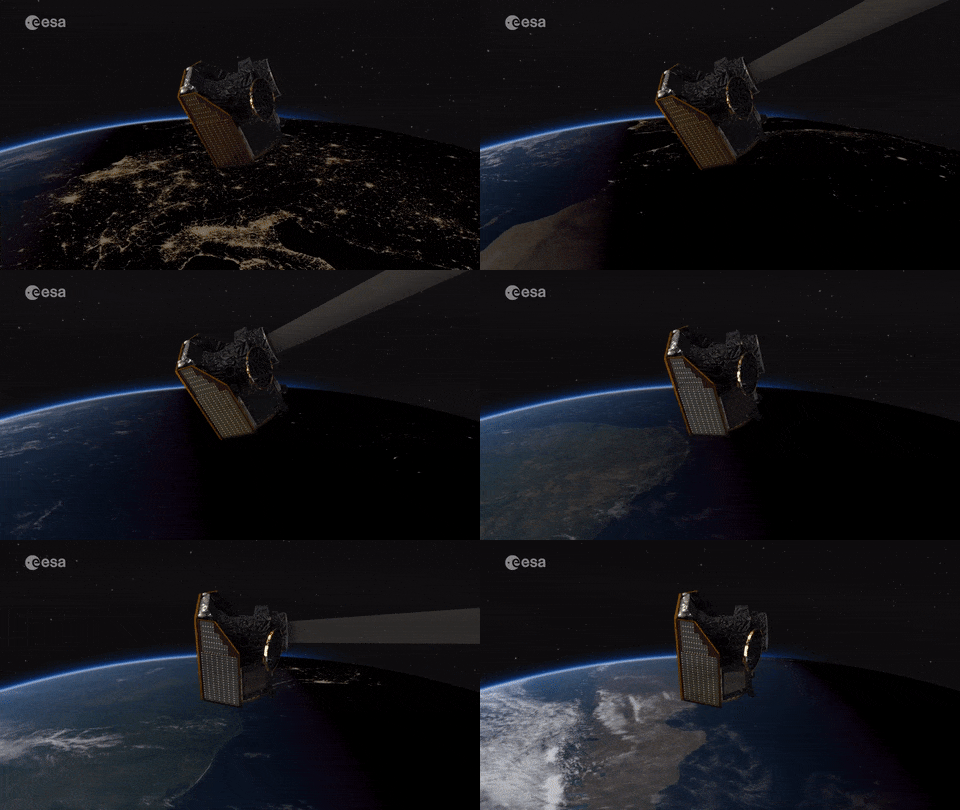
ESA’s first mission to study exoplanets is about to start its science operations after successfully completed its in-orbit commissioning phase. CHEOPS (CHaracterising ExOPlanet Satellite) launched from Europe’s spaceport in French Guiana on 18 December 2019. Since then the telescope cover... Continue Reading →

This remarkable spiral galaxy, known as NGC 4651, may look serene and peaceful as it swirls in the vast, silent emptiness of space, but don’t be fooled — it keeps a violent secret. It is believed that this galaxy consumed another... Continue Reading →

This 2010 image from the Herschel Space Observatory shows dust clouds associated with the Rosette Nebula, a stellar nursery about 5,000 light-years from Earth in the Monoceros, or Unicorn, constellation. Herschel collected the infrared light given out by dust. The bright smudges... Continue Reading →
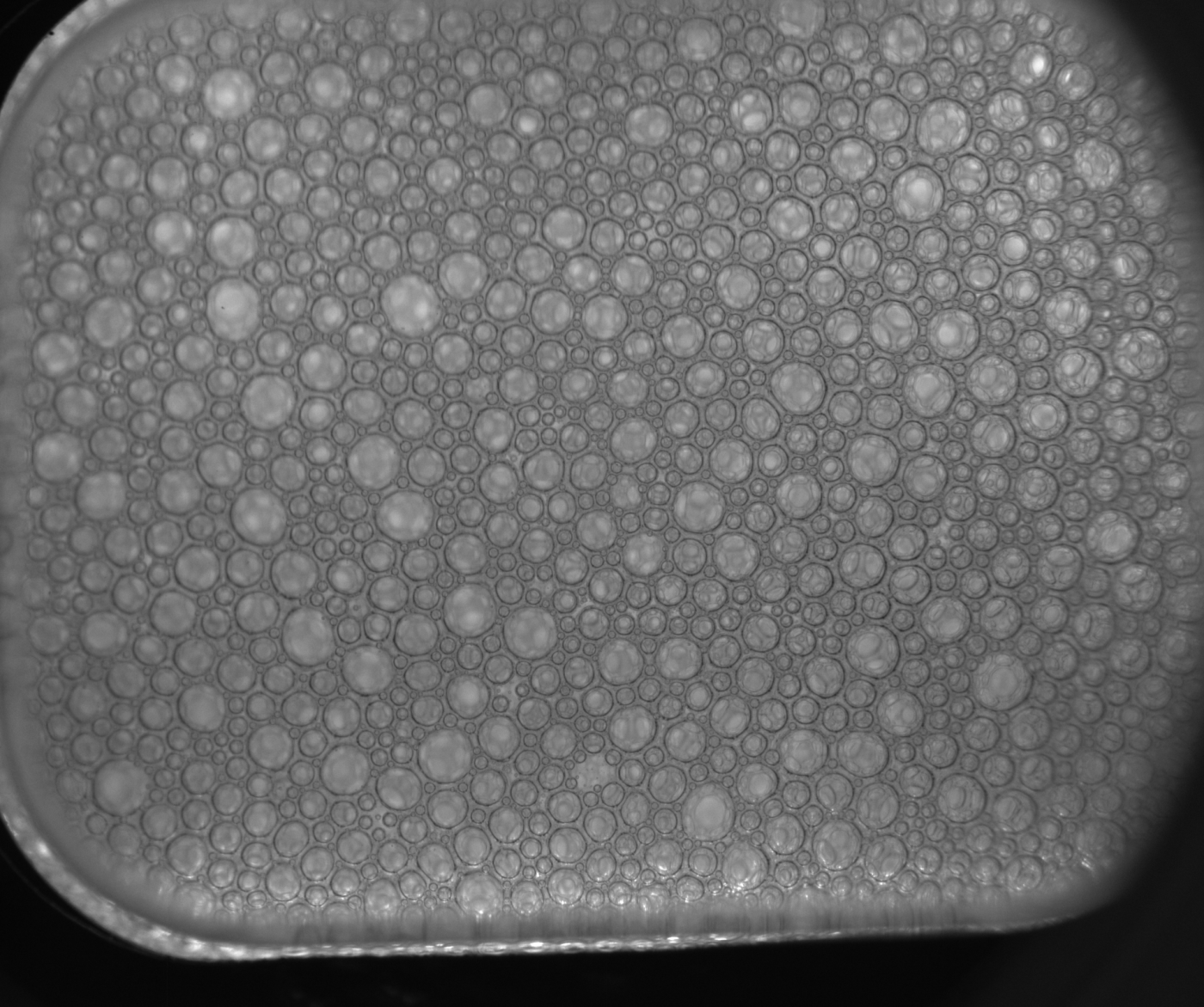
Installed on Friday in the International Space Station and sending down images by Monday. This picture shows one of the first images of foam formed inside the Fluid Science Laboratory in Europe’s space laboratory Columbus. The Foam-Coarsening experiment, developed by... Continue Reading →
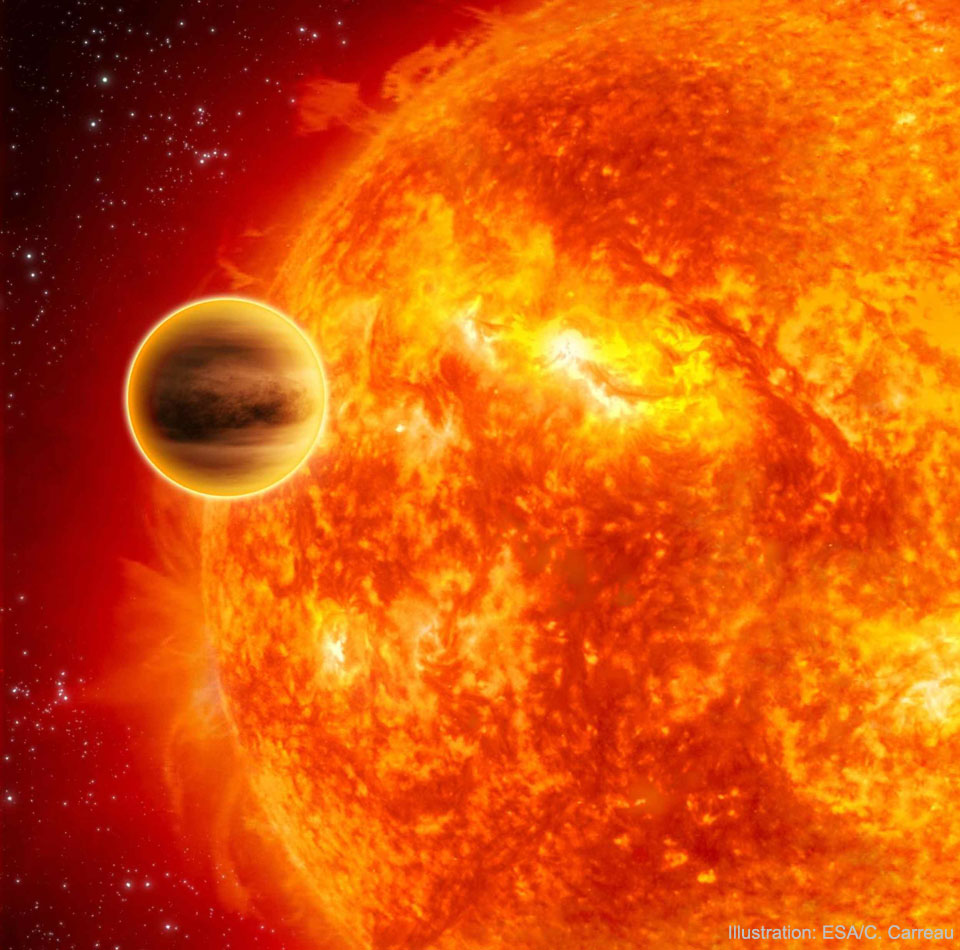
This hot jupiter is doomed. Hot jupiters are giant planets like Jupiter that orbit much closer to their parent stars than Mercury does to our Sun. But some hot jupiters are more extreme than others. NGTS-10b, illustrated generically, is the closest and fastest-orbiting giant planet yet discovered, circling its home... Continue Reading →
 Scents of Science